



The Wardrobe Rework
A disorganised wardrobe doesn't just make it hard to find your clothes; it steals valuable living space. In many compact Indian homes, bulky cupboards can make a room feel cramped. The solution is not to own less, but to store smarter. By rethinking how
we arrange our sarees, kurtas, shirts, and accessories, we can reclaim a surprising amount of space and bring a sense of calm and order to the bedroom.
Think Vertically, Not Horizontally
One of the most effective principles of storage is to use vertical space. Instead of letting the area above your clothes rail or below your hanging shirts go to waste, introduce stackable organisers or hanging shelves. These are perfect for folded clothes, handbags, or shoes. Floor-to-ceiling wardrobes are a game-changer, using the full height of the room and providing upper cabinets for seasonal items like heavy blankets, luggage, or festive wear that you don't need daily.
Embrace Sliding Doors and Smart Interiors
Traditional swing doors on wardrobes require clearance space to open, which is a luxury in a small room. Sliding door wardrobes are an excellent alternative, saving precious floor space. Some even come with mirrored panels, which create an illusion of a larger room by reflecting light. But the real magic happens inside. Before you even think about the exterior finish, plan the interior. A good layout should include a mix of hanging space, drawers, and adjustable shelves to cater to different types of clothing.
The Efficient Indian Kitchen
The Indian kitchen is a hub of activity, but it can quickly become a zone of chaos with its array of spices, utensils, and appliances. Limited counter space is a common complaint, often cluttered with items that could be stored more efficiently. A well-organised kitchen not only looks better but also makes the daily tasks of cooking and cleaning faster and less stressful. The goal is to create a system where everything has a place and is easily accessible when needed.
Zone Your Activities
A highly practical method for Indian kitchens is organising by activity instead of just by item type. Create dedicated zones. For instance, a 'tadka zone' near the stove can hold your most-used spices, oil, and ghee. A 'tea zone' can group together tea leaves, sugar, mugs, and strainers. Similarly, having a 'roti zone' with your atta, chakla, and belan keeps everything you need in one place. This minimises movement and makes your cooking process smoother and more efficient.
Use Cabinet and Wall Space Wisely
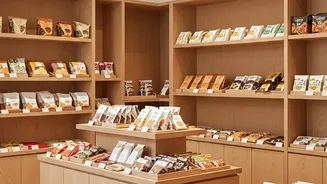
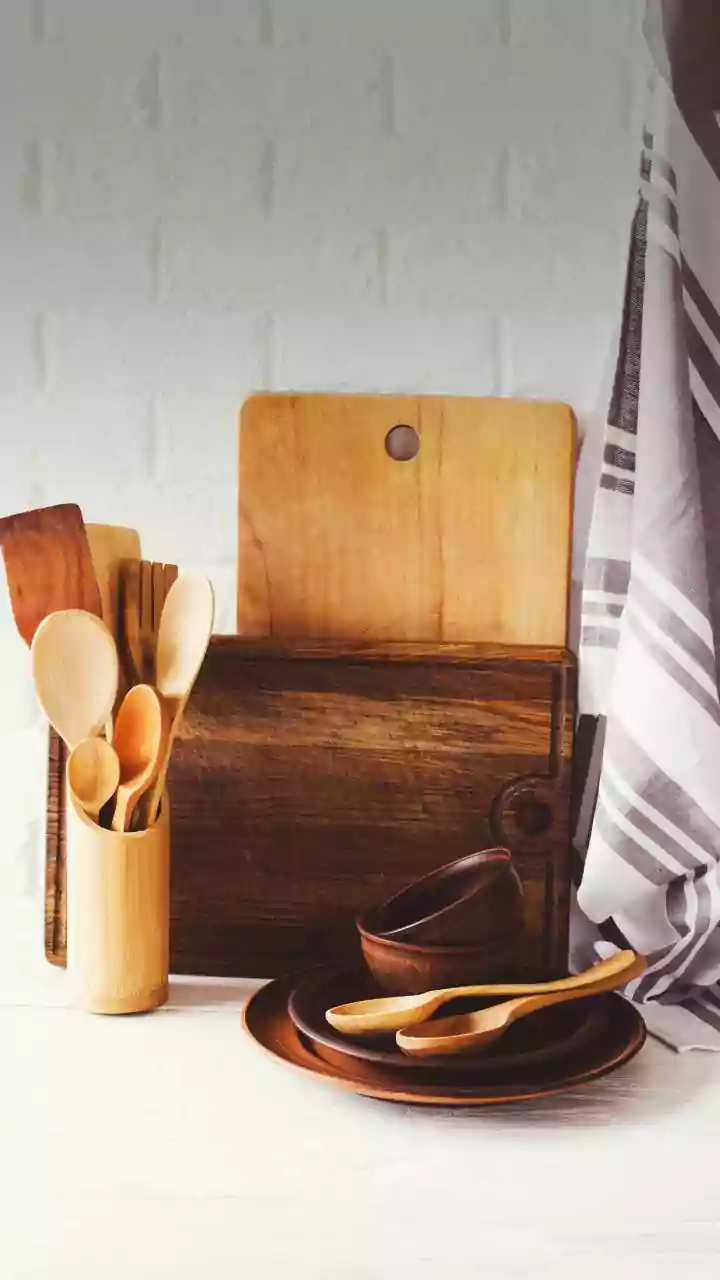
Untapped vertical space is a goldmine in the kitchen, too. Use wall-mounted racks to hang frequently used utensils like ladles and pans, freeing up drawer space. Inside your cabinets, use stackable shelves or corner racks to double your storage capacity for plates, bowls, and jars. The inside of cabinet doors can be fitted with small racks for spice containers or lids. Using clear, modular containers for dals, rice, and other staples not only looks neat but also lets you see what you have at a glance.