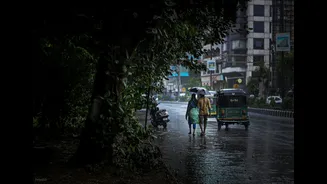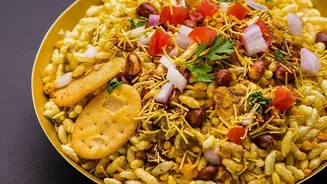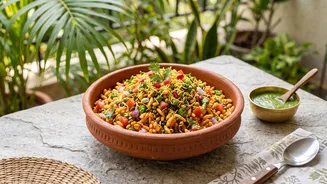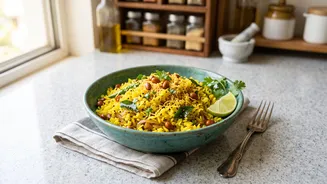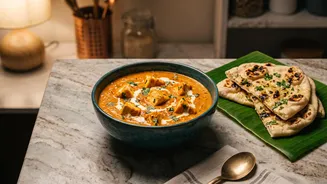

The late-night craving hits. A few years ago, your options were limited to pizza, biryani, or greasy noodles. Today, you are just as likely to find fiery Naga pork, wholesome Litti Chokha, or fragrant Kathiyawadi curries on the menu.
From Generic Staples to Specific Cravings
The landscape of late-night
food delivery in urban India is undergoing a delicious transformation. While staples like pizza and burgers still see significant orders after 11 p.m., a new and powerful trend is emerging. Food delivery apps are no longer just a utility for a quick bite; they are becoming conduits for culinary exploration and emotional satisfaction. Young professionals, students, and a growing population of people living away from their hometowns are driving a demand that goes beyond convenience. They are searching for authenticity and a taste of home, no matter the hour. This shift has paved the way for 'micro-regional' cuisines—dishes specific to a particular sub-region, community, or even family kitchen—to find a prominent place in the late-night delivery market.
The Powerful Pull of Nostalgia
At the heart of this trend is the universal power of comfort food. For many living in bustling metros, food is a primary connection to their roots, family, and childhood. A dish can be a memory on a plate, evoking the warmth and care of a home-cooked meal. When people move to cities for work or education, they often leave behind the specific flavours they grew up with. The generic 'North Indian' or 'South Indian' options on offer, while popular, often fail to capture the nuances of, for instance, a Saoji curry from Nagpur or a Malvani fish preparation from the Konkan coast. This craving for specific, familiar tastes is a potent driver, especially during late hours when feelings of loneliness or stress can be more pronounced. The desire is not just for food, but for the feeling of comfort and belonging that it provides.
The Cloud Kitchen Revolution
This explosion of culinary diversity would be impossible without a fundamental shift in the food business: the rise of the cloud kitchen. Also known as ghost kitchens, these delivery-only establishments operate without a physical storefront, drastically reducing the high costs of real estate and front-of-house staff. This low-overhead model provides the perfect, low-risk environment for culinary experimentation. An entrepreneur passionate about their native Bihari or Assamese cuisine can now launch a brand targeting thousands of potential customers through apps like Zomato and Swiggy, without the immense financial gamble of a traditional restaurant. This has democratised the food scene, allowing home chefs and culinary specialists to share their heritage and test the market for hyper-local dishes that were previously unavailable in big cities.
A Taste of India's Diversity, Delivered
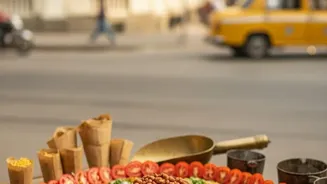
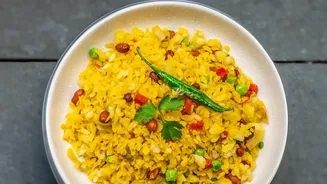
So, what exactly are people ordering? The trend moves beyond broad categories into specific, beloved dishes. Think Litti Chokha from Bihar, a hearty dish perfect for a satisfying late night meal. Or consider the subtle, comforting flavours of Kumaoni cuisine from the hills of Uttarakhand, like Bhatt ki Churdkani. From the west, Kathiawadi thalis, known for their spicy and flavourful vegetable preparations, are finding a new audience. In the south, it is not just about idli and dosa, but perhaps a serving of Menthe Kadubu from Karnataka or the fiery prawn curries of Chettinad. These are foods deeply ingrained in regional culture, now made accessible to a wider urban population thanks to digital platforms and a new generation of food entrepreneurs.
Technology, Data, and the Future of Food
Technology acts as both the enabler and the accelerator of this trend. Food delivery platforms are not just logistics networks; they are vast data-intelligence engines. They can identify pockets of demand, understand consumer search patterns, and help micro regional brands target the right audience. If users in a particular neighbourhood are searching for 'Podi Idli' or 'Dal Baati', the algorithm takes note, creating a clear business case for a cloud kitchen to fill that niche. This synergy between consumer desire for authenticity, the economic viability of cloud kitchens, and the data driven reach of delivery apps suggests that the future of late night delivery will only become more personalised, diverse, and deeply comforting.