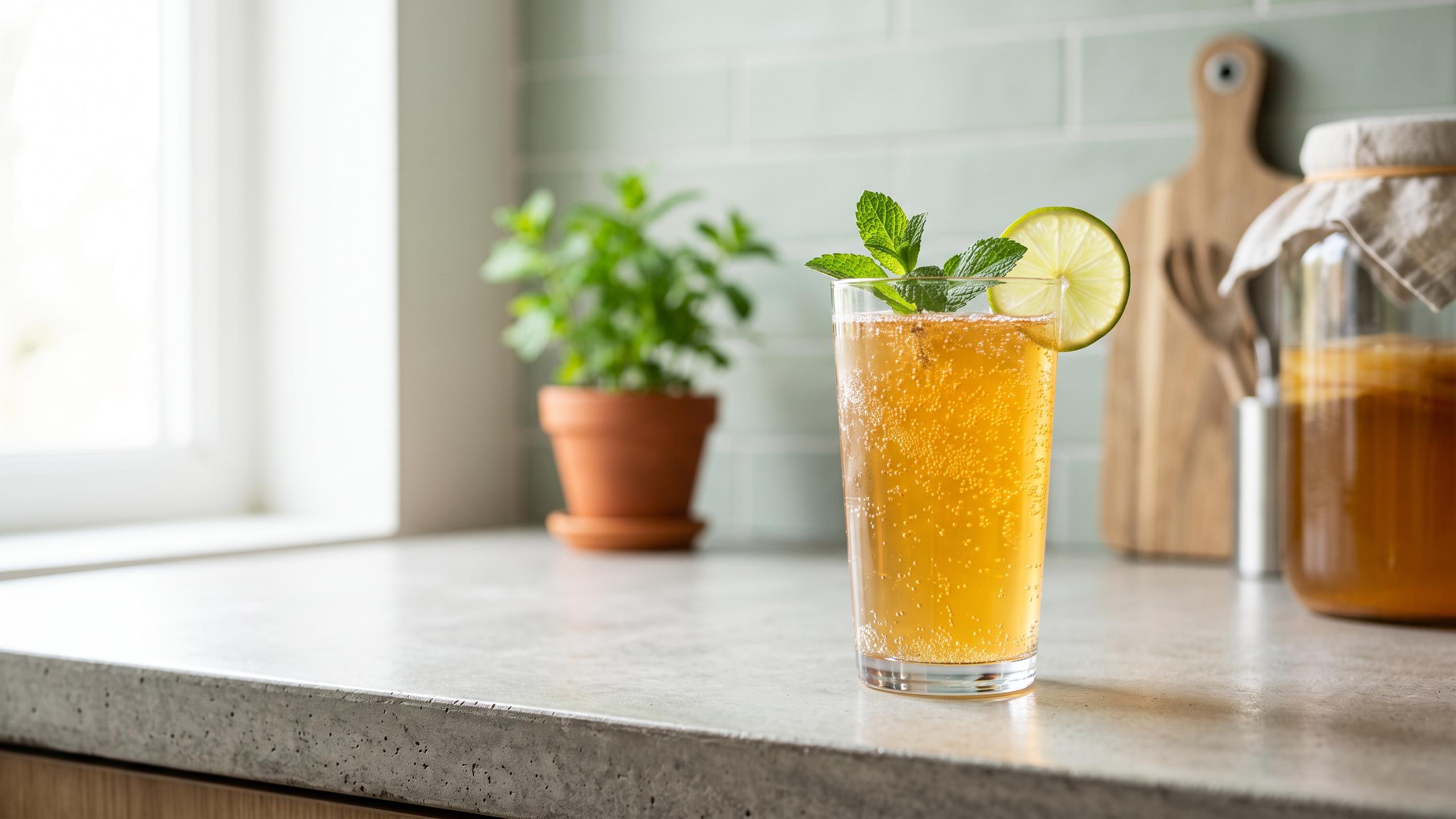







Understanding the Fermentation Foundation
At its core, kombucha is a fermented tea created by a SCOBY, which stands for Symbiotic Culture of Bacteria and Yeast. This living culture is the engine of fermentation. When you add a SCOBY to sweetened tea, its yeast consumes the sugar, creating trace
amounts of alcohol and carbon dioxide. The bacteria then convert that alcohol into healthy organic acids, such as acetic acid and lactic acid, which give kombucha its signature tangy taste and contribute to its probiotic profile. Managing the environment for these microscopic allies is the secret to a successful brew.
The First Fermentation (F1): Building the Base
The first fermentation, or F1, is where the magic really begins. This is when your sweet tea transforms into kombucha, and it's the most critical stage for developing beneficial bacteria. This process typically takes anywhere from 7 to 14 days. The duration isn't fixed; it's a balance of factors. Shorter fermentation times result in a sweeter tea, while longer periods allow the culture to consume more sugar, creating a more tart and acidic final product. For maximum probiotic development, you are aiming for that sweet spot where much of the sugar has been converted, but before the brew becomes overly vinegary.
Temperature: The Most Important Variable
Temperature is the single biggest factor influencing the speed and quality of your fermentation. The ideal range for brewing kombucha is between 24°C and 26°C. In this zone, the bacteria and yeast are most active and balanced. If the temperature is too low (below 21°C), fermentation slows dramatically, leaving the brew weak, sweet, and more susceptible to mould. Conversely, if the temperature is too high (above 29°C), the yeast can become overactive, producing a brew that is overly sour or tastes strongly of yeast. Consistent warmth encourages the proliferation of beneficial bacteria, so finding a stable, warm spot in your home away from direct sunlight is crucial.
Trust Your Taste: The Best Indicator of Readiness
While pH strips and other tools can offer scientific precision, the most reliable tool for a home brewer is their own sense of taste. Starting around day five or seven, begin tasting your brew daily. Use a clean straw to draw a small sample from below the surface of the newly formed SCOBY. At first, it will taste like sweet tea. As days pass, you'll notice the sweetness receding and a pleasant tartness developing. The perfect moment to end the first fermentation is when the kombucha has a balanced flavor that is neither overly sweet nor sharply sour. This balance indicates that the culture has had enough time to produce a good amount of beneficial acids and probiotics.
The Second Fermentation (F2): Flavor and Fizz
The second fermentation, or F2, is an optional step that happens after you've removed the SCOBY and bottled the kombucha. This stage is primarily for adding flavor and creating carbonation. By adding a small amount of sugar—often in the form of fruit juice, puree, or fresh fruit—you give the remaining microbes more fuel. This process typically takes 2 to 7 days at room temperature in airtight bottles. While F2 is mostly about flavor and fizz, it can contribute to the final probiotic composition as the microbes continue to work on the newly added sugars, creating even more beneficial compounds. Once your desired carbonation is reached, refrigerate the bottles to halt fermentation.