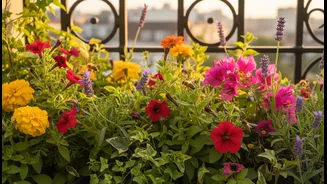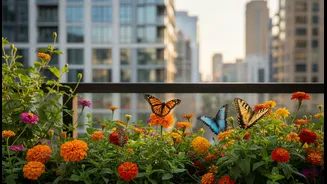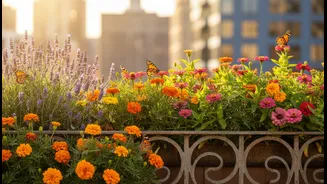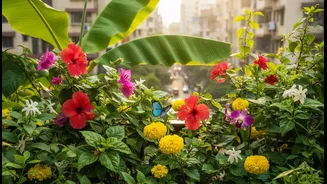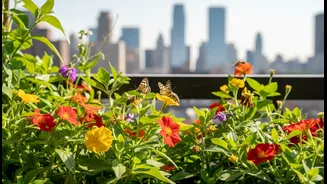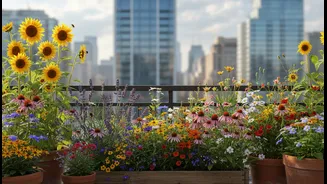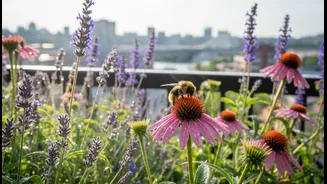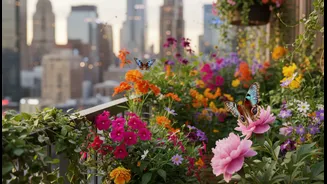



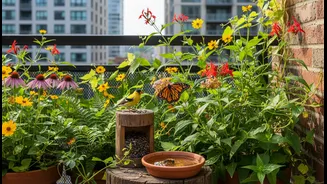


What is a Butterfly Balcony?
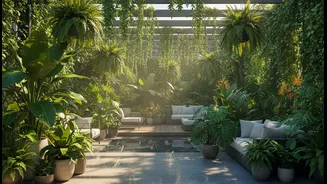
A butterfly balcony is more than just a few potted plants; it’s a thoughtfully curated space designed to attract and sustain butterflies. This trend is a part of the larger 'soft nature' movement, which focuses on integrating gentle, natural, and immersive
elements into our living areas. Instead of rigid, structured layouts, it embraces organic shapes, layered planting, and a design that feels more connected to the environment. The goal is to create a complete habitat, offering food, water, and shelter for these delicate pollinators, turning even a high-rise apartment into a crucial stopover for urban wildlife.
More Than Just a Pretty View
The benefits of creating a butterfly balcony extend far beyond aesthetics. It's an act of biophilic design—the practice of connecting people with nature in built environments—which is proven to have significant mental and physical health advantages. Studies show that interacting with natural elements can reduce stress, improve mood, and enhance creativity. By cultivating a small patch of wilderness, you are also playing a vital role in conservation. Urban areas can create habitat loss for pollinators, and your balcony can act as a crucial 'stepping stone' between larger green spaces, supporting local biodiversity. Watching the life cycle unfold, from caterpillar to butterfly, offers a profound connection to nature's rhythms, a therapeutic antidote to the stresses of city living.
The Foundation: Choosing Your Plants
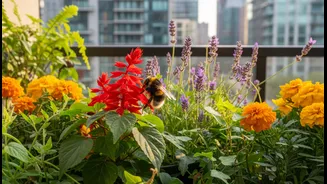
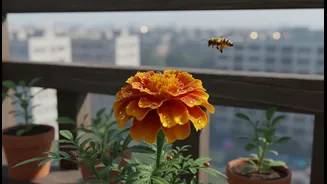
The secret to a successful butterfly balcony is providing a two-course meal: host plants for caterpillars and nectar plants for adult butterflies. Without host plants, butterflies may visit for a sip of nectar but won't stay to lay their eggs. For Indian climates, a mix of native plants is most effective. For nectar, consider vibrant, continuously blooming flowers like Lantana, Pentas, Marigold, and Zinnia, which provide an easy energy source. For host plants, consider species specific to local butterflies. For example, curry leaf and lemon plants attract the Common Mormon, while milkweed (Asclepias) is essential for Plain Tiger butterflies. Don't be afraid to let some plants look a little 'unorganised'; butterflies are often drawn to wilder-looking vegetation.
Designing Your Pollinator Paradise
Arrangement and structure are key to making butterflies feel at home. Cluster pots of flowers together rather than spacing them out; this creates a more visible and attractive target for foraging butterflies. Utilise vertical space with hanging baskets, trellises, and railing planters to create layers, which provide both food sources and shelter. Butterflies need sunny spots to warm themselves, so place your sun-loving plants where they'll get plenty of light. Also, provide a shallow dish of water with sand or pebbles, known as a 'puddling station'. Butterflies land on the damp sand to drink water and absorb essential minerals. Most importantly, your butterfly balcony must be a safe space. Avoid all chemical pesticides and insecticides, as even small amounts can be lethal to butterflies and their larvae. Opt for organic pest control methods to ensure your haven remains healthy and truly welcoming.