






Prepare Your Vehicle Before You Go
A well-maintained vehicle is your first line of defence. Before the monsoon season gets into full swing, and especially before any long journey, conduct a few crucial checks. Tyres are paramount; ensure they have adequate tread depth, ideally more than
3mm, to provide a good grip on wet surfaces and prevent skidding. Properly inflated tyres are also essential for maintaining control. Your braking system must be in optimal condition, as stopping distances increase significantly on wet roads. If you hear any squealing or feel a reduced response, get your brakes inspected immediately. Finally, check your lights and wipers. Replace worn wiper blades that leave streaks, and ensure all your lights—headlights, tail-lights, and indicators—are clean and functional. Good visibility is not just about seeing, but also about being seen.
Adjust Your Driving on Wet Roads
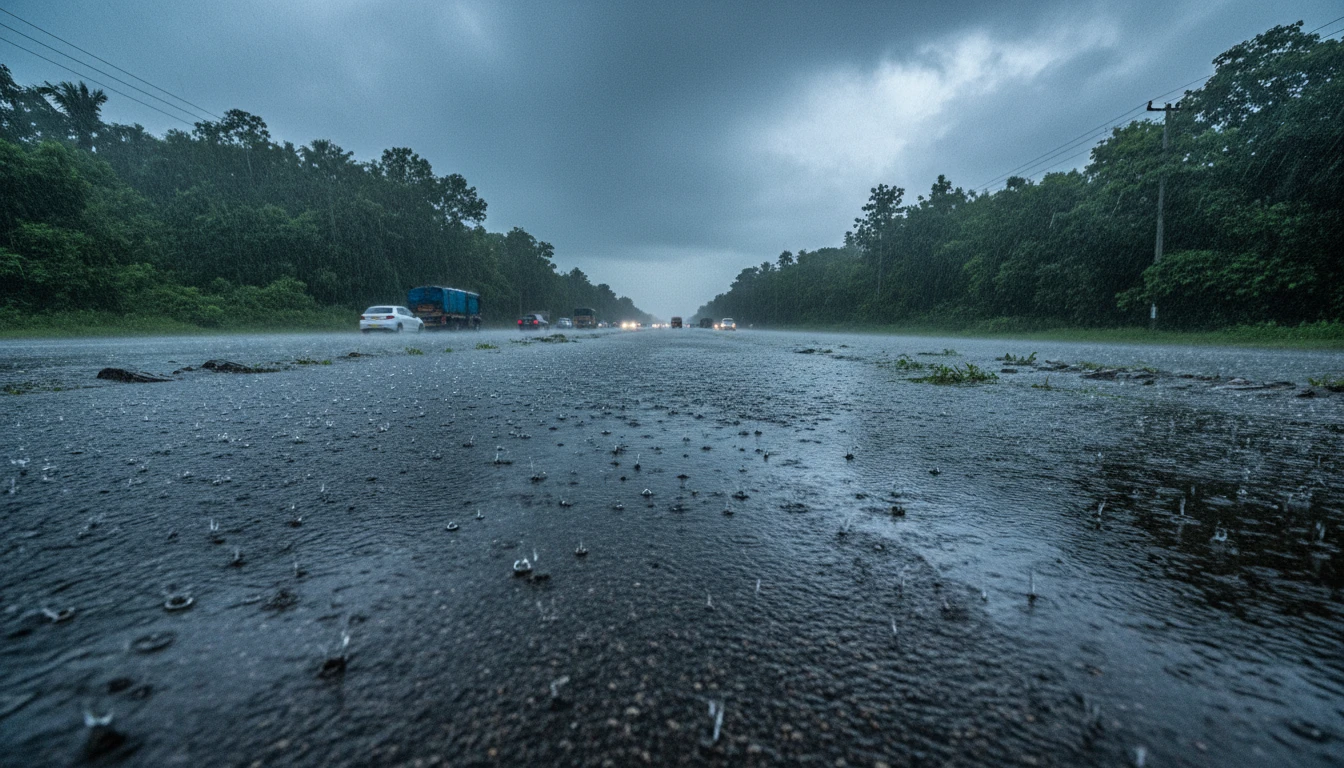
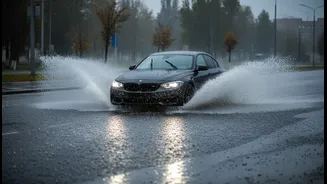
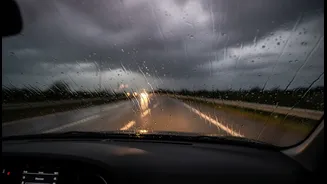
When the rain starts, your driving style must change. The single most important adjustment is to slow down. Reducing your speed gives you more time to react and helps prevent hydroplaning, where your tyres lose contact with the road. Maintain a following distance from the vehicle in front of you that is at least twice as long as you would in dry conditions. Avoid sudden braking and sharp turns, which can easily lead to a skid. Instead, apply brakes and steer gently and smoothly. Use your low-beam headlights even during the day to increase your visibility to other drivers. Do not use high beams, as the light can reflect off the raindrops and worsen visibility for everyone. Also, avoid using cruise control; you need to be in complete manual control of your speed when roads are wet.
The Danger of Waterlogged Streets
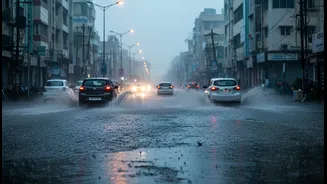
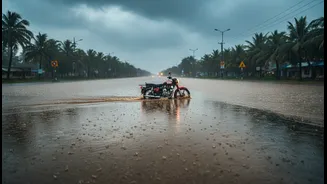
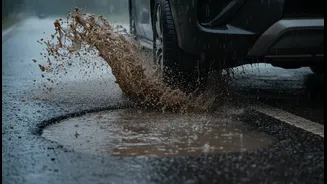
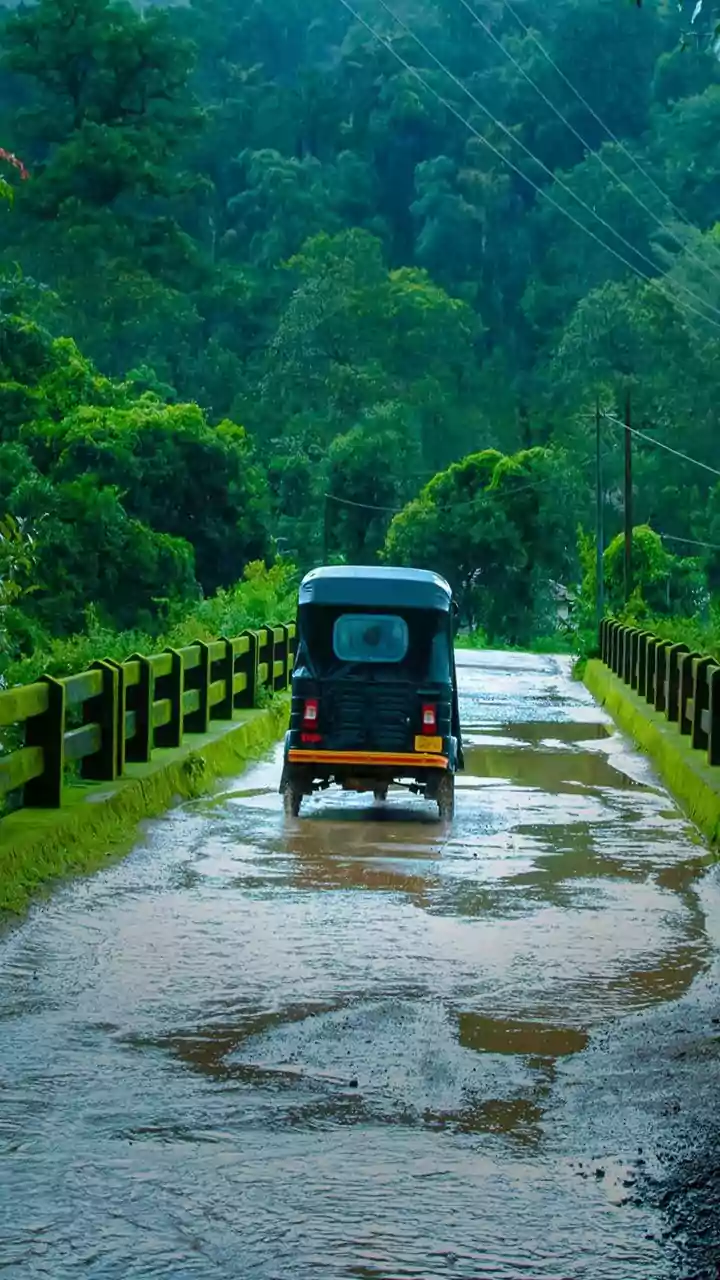
Waterlogged roads are a common and serious hazard during the Indian monsoon. The most important rule is: if you cannot be sure of the water's depth, do not attempt to drive through it. Floodwater can conceal deep potholes, open manholes, or other debris. Just six inches of water can be enough to cause a loss of control or stall your engine, while two feet of rushing water can sweep a vehicle away. If you must proceed through shallow, standing water, do so in a low gear, keeping the engine revs up to prevent water from entering the exhaust. Drive slowly and steadily without stopping. After exiting the water, lightly tap your brakes a few times to help dry them out and ensure they are working correctly. Be extremely cautious, as driving through water can cause catastrophic damage to your engine and electrical systems.
How to Handle Hydroplaning
Hydroplaning happens when a layer of water builds up between your tyres and the road surface, causing a loss of traction and control. It can be a frightening experience. If you feel your vehicle start to hydroplane, the key is not to panic. Do not slam on the brakes or make sudden turns with the steering wheel. Instead, take your foot off the accelerator and allow the car to slow down naturally. Steer gently in the direction you want the car to go. As the vehicle slows, the tyres should regain contact with the road, and you will feel control return. Once you have recovered, you may need to pull over to a safe spot to collect yourself before continuing at a reduced speed.
If You Get Stranded in a Flood
If your car stalls in a flooded area, the situation can quickly become dangerous. Do not try to restart the engine, as this can cause severe and permanent damage, a condition known as hydrolock. Your immediate priority is your safety, not the vehicle's. Turn on your hazard lights to make yourself visible to rescuers. If the water is not rising rapidly and it's safe to do so, try to open a door or window to exit the vehicle. If the doors won't open due to water pressure, you may have to wait for the pressure to equalise before you can escape. Once out, do not stay with the car; seek higher ground immediately. It's also wise to prepare for potential delays by keeping an emergency kit in your car with water, snacks, a first-aid kit, and a fully charged power bank for your phone.