





Beyond the All-or-Nothing Workout
For years, the common wisdom around exercise has been dominated by an all-or-nothing mindset: if you can't manage a 30-minute run or a full hour at the gym, it's hardly worth the effort. But a growing body of scientific evidence is turning that idea on its
head. The focus is shifting from long, structured workouts to something far more accessible: Vigorous Intermittent Lifestyle Physical Activity, or VILPA. This refers to the short, powerful bursts of effort we put into everyday tasks. Think less about marathon training and more about the small, intense moments you can build into your existing routine. Studies show that these brief periods of exertion, when added up, provide significant health benefits, especially for your heart. This approach dismantles the belief that you need large, uninterrupted blocks of time to improve your fitness.
The Science of Short Bursts
Recent studies using wearable activity trackers have provided a clearer picture of how our daily movements affect our health. Research has found that just three or four one-minute bursts of intense activity spread throughout the day can lead to a large reduction in the risk of premature death, especially from cardiovascular disease. One study published in Nature Medicine highlighted that these short bursts were associated with a nearly 50% reduction in cardiovascular-related death risk. The key is the intensity. When you push your body hard enough to get breathless, even for just a minute or two, you trigger beneficial physiological responses. This can include improving how efficiently the heart pumps blood and strengthening the heart muscle over time. The cumulative effect of these mini-workouts can be as impactful as more traditional forms of exercise.
What Counts as 'High Intensity'?
Intensity is relative. What feels vigorous for a sedentary individual will be different from what a seasoned athlete requires. The goal is to work hard enough that your heart rate increases and you find it difficult to hold a conversation. You should be breathing harder than normal and feel your body working. Activities that can be elevated to a vigorous intensity include briskly climbing stairs, running to catch a bus, or carrying heavy groceries from the car. The American Heart Association defines vigorous activity as something that requires a high amount of effort, causing you to get warm and begin to sweat. By turning up the pace and effort of your daily movements, you transform them from simple tasks into powerful, heart-boosting exercises.
Your Home Is Your New Gym
Many common household chores offer a perfect opportunity to incorporate VILPA into your day. You can burn significant calories and raise your heart rate by approaching your to-do list with a bit more intention and speed. Consider these examples:
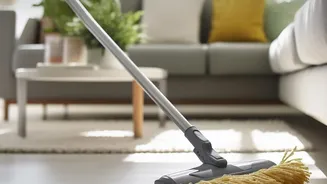
Vigorous Vacuuming or Mopping: Don't just go through the motions. Pick up the pace, use larger, more forceful arm movements, and engage your core. Sweeping and mopping can become a full-body workout when done with energy.
Carrying Heavy Loads: Whether it's laundry baskets, bags of groceries, or gardening supplies, lifting and carrying provides resistance training. Try taking the stairs two at a time or doing an extra lap to increase the cardio benefit.
Intense Yard Work: Activities like digging, hoeing, or pushing a manual lawnmower are classic examples of high-effort tasks. Raking leaves briskly or carrying bags of soil can also get your heart pumping.
Scrubbing Surfaces: Putting some real elbow grease into cleaning floors, windows, or the shower requires significant upper body and core strength. This can be more of a workout than you might think.
Making Every Minute Count
The beauty of VILPA is that it doesn't require extra time, equipment, or a special location. It’s about being opportunistic and intentional with the movements you’re already making. To maximize the benefits, focus on a few key principles. First, exaggerate your movements where possible and safe; take wider steps, engage your core, and use your full range of motion. Second, pick up the pace. Turning on some upbeat music can make it more enjoyable and encourage you to move faster. Finally, look for opportunities to add an extra challenge. Always choose the stairs over the elevator, park further away from the store entrance to get in a brisk walk, or turn playtime with your kids into a high-energy game. These small choices, repeated consistently, add up to major health rewards.