




Why Your Scalp is the Foundation for Great Hair
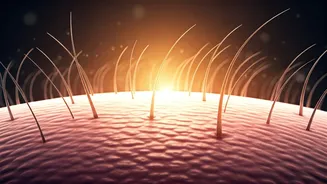
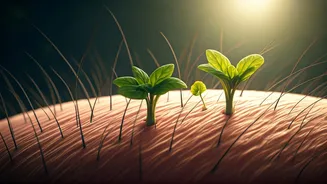
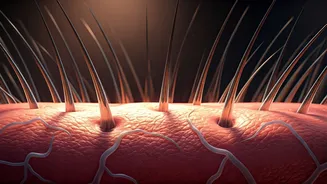
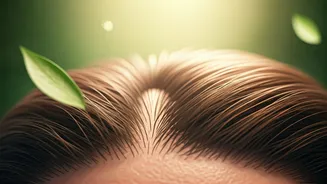
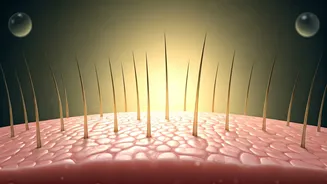
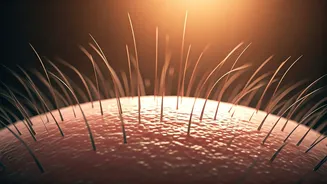
Think of your scalp as the soil in a garden; you can't expect healthy plants to grow from depleted ground. [12, 18] Your scalp is a complex ecosystem of skin that is home to about 100,000 hair follicles. [18] Each follicle is a mini-organ responsible
for growing a single strand of hair. [18] The health of these follicles depends entirely on the condition of your scalp. Good blood circulation delivers essential nutrients, a balanced oil level prevents irritation, and a clean environment free from buildup allows follicles to function optimally. [3, 12, 14] When the scalp is inflamed, clogged, or unhealthy, it can directly lead to issues like increased breakage, slower growth, and even hair loss. [5, 18]
Recognizing the Signs of an Unhealthy Scalp
Your scalp will often send clear signals when it's in distress. Persistent itching, redness, and a feeling of tightness are common signs of inflammation. [18, 19] Flakes, which can be caused by conditions like dandruff or seborrheic dermatitis, indicate an imbalance. [5, 14] Even excessive oiliness or extreme dryness is a red flag. [14] If left unaddressed, these issues can create an environment where hair struggles to thrive. Conditions like folliculitis (inflamed follicles), psoriasis, and fungal infections can all impact the hair growth cycle and may require a dermatologist's attention. [5, 10, 15]
Building a Science-Backed Scalp Care Routine
A healthy scalp routine doesn't have to be complicated, but it should be consistent. Start by cleansing properly; gently massage shampoo into your scalp, focusing on cleaning the skin rather than just the hair strands. [21] For most people, washing three to four times a week is sufficient. [18] Once a week, consider incorporating a gentle exfoliation step to remove dead skin cells and product buildup, using either a physical scrub or a chemical exfoliant with salicylic acid. [12, 14, 24] Finally, targeted serums can deliver beneficial ingredients directly to the follicles. Look for products containing niacinamide for barrier support, caffeine for circulation, and antioxidants like Vitamin C to protect against environmental damage. [1, 9, 16]
The Truth About Viral Hair Growth Hacks
From onion juice to the 'inversion method,' social media is flooded with supposed shortcuts to long hair. [7] One of the most popular is using rice water, a tradition with roots in Asia. [7, 25] While rice water contains inositol, which can temporarily smooth the hair shaft and add shine, there is little to no scientific evidence that it stimulates new hair growth from the follicle. [7, 23] In fact, overuse can lead to protein overload, making hair dry and brittle. [20, 25] Many hacks lack scientific backing and can sometimes do more harm than good, either by causing scalp irritation or by creating false hope while ignoring the real, underlying issues that a proper scalp care routine could address. [7, 20]
Smarter Choices for Long-Term Hair Health
Instead of chasing quick fixes, focus on foundational health. This includes protecting your scalp from the sun with a hat or SPF spray, as sun damage is a real risk. [3, 24] A gentle scalp massage for a few minutes each day can boost blood circulation to the follicles, which studies suggest may increase hair thickness over time. [4, 14] Be mindful of harsh products containing sulfates, which can strip natural oils and cause irritation. [3, 18] Ultimately, the goal is to shift your focus from miracle cures for your hair to consistent care for your scalp. This patient, science-backed approach is what truly lays the groundwork for healthier, stronger hair in the long run.