






A New Competitive Edge
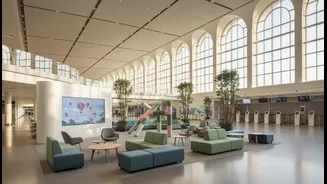
The traditional view of an airport as a purely functional space is rapidly becoming outdated. Today, the world's best airports are transforming into destinations in their own right, and a key part of this evolution is a focus on passenger experience.
Families represent a significant and vocal segment of travellers, and their choices are increasingly influenced by how well an airport caters to their needs. According to recent Skytrax World Airport Awards, hubs that invest in family-friendly infrastructure are consistently ranked higher by passengers. This isn't just about goodwill; it's a sound business strategy. Airports that reduce friction for parents find that these families are more likely to relax, spend more time in retail and dining areas, and leave with a positive impression, boosting the airport's reputation.
Play is the New Priority
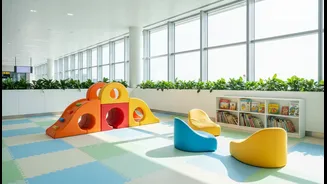
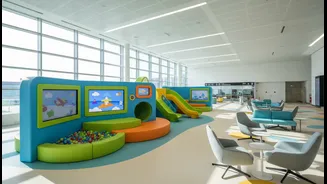
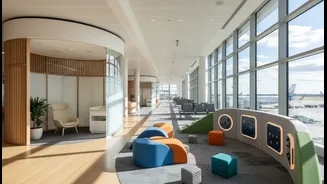
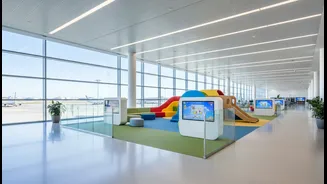
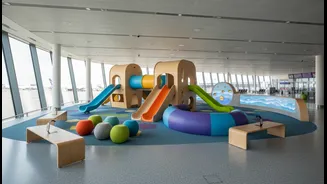
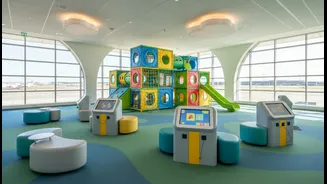
The single most transformative feature for families is the dedicated children's play area. These are no longer sad, forgotten corners with a few worn-out blocks. Leading airports have turned play into an art form. Singapore Changi Airport (SIN), a perennial favourite, features multiple themed playgrounds, a giant slide, and even a butterfly garden. Similarly, Istanbul Airport (IST), named the world's most family-friendly airport in 2025 by Skytrax, boasts over 700 square meters of playground facilities with themes like space and sea. Seoul Incheon (ICN), which took the top spot in 2026, has playgrounds themed around popular Korean animated characters. These spaces are strategically designed to help children burn off pre-flight energy, making the subsequent flight more peaceful for everyone onboard. The goal is simple: turn dreaded wait times into opportunities for fun.
Streamlining Stressful Steps
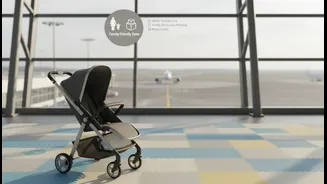
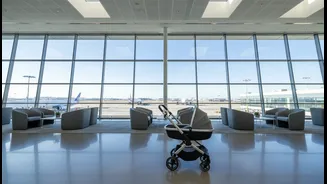
Beyond play, the most impactful amenities are those that streamline the most stressful parts of the airport journey. Dedicated security lanes for families, like those at Hamad International Airport (DOH) in Doha and Istanbul Airport, are a game-changer. These wider, staffed lanes allow parents to manage strollers, carry-ons, and children without the usual pressure and rush. Many top-tier airports, including Changi and Hamad, now offer complimentary strollers, eliminating the need for parents to juggle their own. In India, airports are also catching on, with Delhi's Indira Gandhi International Airport (DEL) launching its "Family@DEL" initiative, providing priority check-in and other services for families. These practical touches show a deep understanding of the real-world challenges of family travel.
Comfort, Care, and Convenience
The true measure of a family-friendly airport often lies in the details. Clean, spacious, and well-equipped baby care rooms are a must. The best ones, found in airports like Istanbul and Singapore, offer not just changing tables but also hot water dispensers, private nursing areas, and sometimes even bottle sterilisation equipment. Family restrooms with child-sized facilities are also becoming more common. Furthermore, airports are expanding food and beverage options to include kid-friendly menus and healthier choices. These amenities demonstrate a commitment to providing a comfortable and dignified experience for parents attending to the essential needs of their youngest travellers.
The 'Wow' Factor
Some airports go above and beyond, creating moments of genuine delight that transform the travel experience. Singapore's Changi is famous for its 40-meter indoor waterfall, free movie theatre, and interactive art installations. Seoul Incheon offers cultural craft workshops and even an ice-skating rink. Hamad International Airport captivates children with its iconic giant teddy bear art piece and numerous other installations. These 'wow' factor features turn the airport from a simple transit hub into a memorable part of the family holiday, setting a new standard for what travellers can expect before they even board their flight.