







New Rules: What Trekkers Must Know
Recent safety concerns have led to stricter regulations, particularly in Karnataka's forest regions. As of 2026, trekking on any notified trail within forest department land is prohibited without a certified local guide. Authorities have implemented a mandatory
online registration system, and trekkers may be required to install a temporary tracking app on their phones to ensure safety. Daily visitor numbers are also capped on popular routes to reduce environmental impact and improve management, often with a ratio of one guide for every ten trekkers. These rules were introduced to make adventures more organised and secure, so always check the latest guidelines and book your permits well in advance, as spot bookings are no longer allowed.
Essential Gear for Ghats Terrain
The Western Ghats' terrain is beautiful but demanding. Your most critical piece of equipment is your footwear. Standard sneakers or casual shoes are inadequate and dangerous on slippery, moss-covered rocks. Invest in proper trekking shoes with deep grooves for grip and good ankle support. Equally important is effective rain protection; a poncho is often recommended as it covers both you and your backpack, offering better ventilation than a simple jacket. Carry a lightweight, water-resistant backpack with a rain cover. Inside, pack a basic first-aid kit, a headlamp or torch with extra batteries, a power bank for your phone, and at least two litres of water.
Monsoon-Specific Safety Protocols
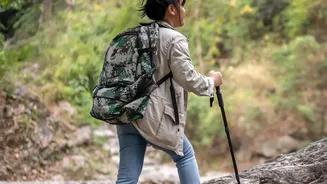
Trekking during the monsoon transforms the Ghats into a vibrant paradise, but it also introduces specific risks. Leeches are common in the wet undergrowth, so wearing full-length socks or specialised anti-leech socks is highly advisable. Always pack your extra clothes, electronics, and food in waterproof dry sacks or multiple layers of plastic bags to keep them from getting wet. The most significant danger is underestimating water. Swollen streams and waterfalls can become treacherous. Never attempt to cross fast-flowing water, and be aware that trails can become muddy and extremely slippery. A trekking pole can provide an extra point of contact and help you gauge the stability of the ground before you step.
The Golden Rule: Leave No Trace
The core principle of responsible trekking is to leave the environment exactly as you found it. The most important rule is to pack out everything you pack in. This includes all food wrappers, plastic bottles, and any other waste. It is a common misconception that organic waste like fruit peels can be left behind; in mountain ecosystems, they take a very long time to decompose and can attract animals, altering their natural behaviour. Stick to marked trails to prevent soil erosion and damage to delicate vegetation. Keep your voice down and avoid playing loud music to respect both wildlife and fellow trekkers. The goal is to minimise your impact and preserve the pristine beauty of the Ghats for everyone. Forest departments across the region strictly prohibit littering, the use of single-use plastics, and lighting campfires.