



Nature's Air Filters
The idea that plants can clean the air gained widespread attention following a 1989 NASA study, which found that certain common houseplants could remove toxic chemicals like benzene, formaldehyde, and trichloroethylene from sealed environments. This process
is known as phytoremediation, where plants absorb pollutants through their leaves and roots. The microorganisms living in the soil also play a crucial role, breaking down these harmful substances. While the conditions of the original study—a small, sealed chamber—are different from a typical home, adding plants can still contribute to a cleaner indoor environment.
Managing Expectations
It is important to have realistic expectations. While plants are beneficial, they are not a substitute for high-efficiency particulate air (HEPA) purifiers, especially during days of severe smog in Delhi-NCR. Research has shown that you would need a very large number of plants to match the air-cleaning capacity of an air purifier or even standard ventilation. However, plants do offer other proven benefits: they can add a bit of humidity to dry indoor air, their presence can reduce stress, and they contribute to a sense of well-being. Think of them as a beautiful, natural supplement to your overall air quality strategy, not a complete solution.
Snake Plant (Sansevieria trifasciata)
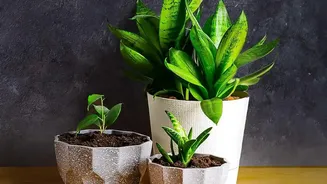
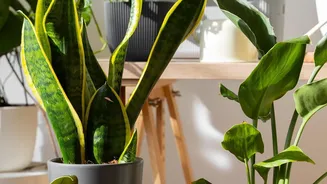
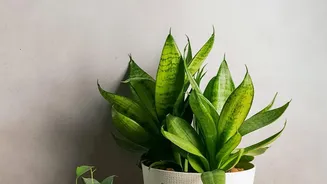
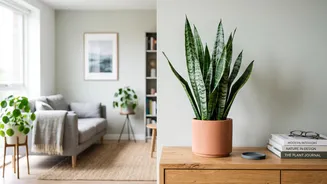
Often called 'mother-in-law's tongue', the snake plant is one of the hardiest and most effective air purifiers you can own. It is exceptional because it performs photosynthesis differently, converting carbon dioxide into oxygen at night, making it an ideal choice for bedrooms. It is renowned for its ability to filter formaldehyde, xylene, benzene, and trichloroethylene. This plant is also incredibly low-maintenance, tolerating low light and infrequent watering, making it perfect for beginners or busy homeowners in Delhi.
Areca Palm (Dypsis lutescens)
The Areca Palm is a popular choice for Indian homes, known for its lush, feathery fronds that bring a tropical feel indoors. It's an excellent natural humidifier, which can be particularly helpful during dry winter months. According to NASA's research, it's effective at removing toxins like formaldehyde and xylene. Its broad leaves also act as a trap for airborne dust and other particulates. The Areca Palm thrives in bright, indirect sunlight and adds an element of elegance to living rooms and larger spaces.
Money Plant (Epipremnum aureum)
The money plant, or Pothos, is arguably one of the most common houseplants in India, and for good reason. It's incredibly resilient, easy to grow, and thrives even in low-light conditions. Its air-purifying capabilities are also well-documented. It is particularly effective at removing formaldehyde, benzene, and carbon monoxide from the air. Its trailing vines make it a versatile decorative element for shelves, desks, or hanging baskets, all while quietly working to clean the air in your home.
Peace Lily (Spathiphyllum)
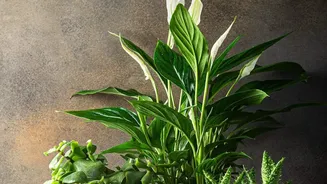
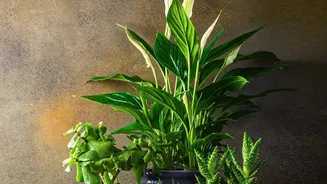
The Peace Lily is not only prized for its elegant white flowers but also for its impressive air-cleaning abilities. It is one of the few plants found by NASA to effectively remove all five of the most common indoor air pollutants tested, including ammonia, benzene, and formaldehyde. The plant's soil and root system are particularly effective biofilters. It prefers shady spots and needs consistent moisture, rewarding attentive owners with both beauty and cleaner air. It's a great choice for living rooms and office spaces.
Spider Plant (Chlorophytum comosum)
The spider plant is another champion of air purification that is incredibly easy to care for and propagate. It is highly effective at removing formaldehyde and xylene from indoor environments. One study noted its ability to remove up to 95% of formaldehyde from a sealed chamber. Its arching leaves and the 'spiderettes' that dangle from the mother plant make it visually interesting. It’s also non-toxic, making it a safe choice for homes with pets and children.