





Why Monsoon Trips Need Extra Planning
Travelling during the monsoon is a unique experience, filled with the aroma of wet earth and stunning, rain-washed scenery. However, this is also the season of unpredictable challenges. Heavy rainfall can lead to flash floods, waterlogged roads, and,
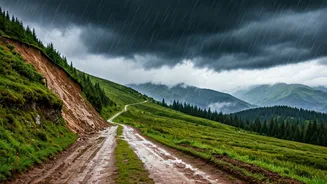
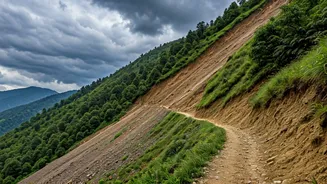
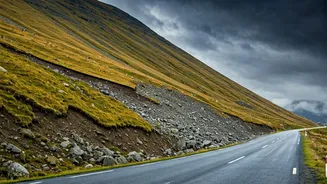
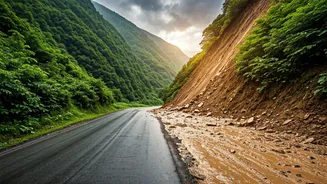
in hilly areas, dangerous landslides that can block highways for days. [7, 18, 28] Popular destinations in the Himalayas and Western Ghats are particularly vulnerable. [22, 28] Planning isn't about dampening the spirit of adventure; it’s about ensuring your trip is memorable for the right reasons—misty mornings and hot chai, not getting stranded on a blocked road. A little preparation goes a long way in navigating the complexities of monsoon travel safely.
Decoding the Weather Forecast
Simply glancing at a weather app for a sunny icon is not enough during the monsoon. It's crucial to use reliable sources and understand what the alerts mean. The India Meteorological Department (IMD) is the most authoritative source for weather warnings in the country. [3] The IMD uses a four-colour-coded alert system to help citizens understand the severity of impending weather. [2, 13] * **Green (No Advisory):** Normal weather conditions, safe for travel. [9] * **Yellow (Be Aware):** Indicates the possibility of moderate rain, which could disrupt daily activities. [9, 17] * **Orange (Be Prepared):** Forecasts heavy rainfall (115.6 mm to 204.4 mm) which could lead to flooding, transport disruptions, and power outages. [2, 9, 19] * **Red (Take Action):** The highest alert, warning of extremely heavy rainfall (over 204.5 mm) with a significant threat to life and property. [2, 9, 19] Travel should be avoided. When planning a road trip, remember to check the forecast not just for your destination but for the entire route. [3]
Smarter Route Planning
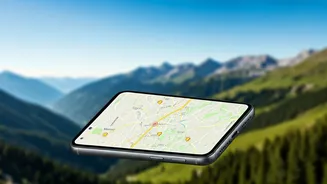
While Google Maps is a great tool, it doesn't always account for monsoon-specific hazards like landslides, waterlogging, or recently damaged roads. Supplement your navigation with apps like Mappls (formerly MapmyIndia), which provides real-time alerts on potholes, roadblocks, and accident-prone zones. [11, 27, 30] Before heading to hilly regions like Himachal Pradesh, Uttarakhand, or the Western Ghats, specifically check for news on landslides or road closures. [22, 28] Many popular routes, such as the highways to Manali, Shimla, and the Char Dham sites, are known to be vulnerable. [22] Always have a flexible itinerary and a backup plan. Asking your hotel about local road conditions each morning is also a wise practice. [8] If authorities have issued warnings or closed a road, take them seriously. [21]
Your Pre-Monsoon Vehicle Checklist
Your vehicle is your most important asset on a road trip, and it needs to be in top condition to handle monsoon challenges. A pre-monsoon check is non-negotiable. [12, 16] * **Wipers and Windshield:** Worn-out wipers that leave streaks are a major safety hazard in heavy rain. Replace them if they aren't cleaning the glass perfectly. [12, 15] Keep your washer fluid topped up. [16] * **Tyres:** Good tread depth is essential for grip on wet roads. Ensure your tyres have at least 3mm of tread and are inflated to the correct pressure. [12, 23] * **Brakes:** Wet roads significantly increase braking distance. Get your brake pads, discs, and fluid checked by a professional. [15, 24] * **Lights:** All lights—headlights, taillights, indicators, and fog lamps—must be functional. Clean headlamp covers can dramatically improve visibility. [12, 16] * **Battery:** The monsoon puts extra strain on your battery with the constant use of wipers, lights, and AC. If your battery is over three years old, get it tested. [15, 24]
Driving Safely in the Rain
Once you're on the road, adjust your driving style to the conditions. First and foremost, slow down. [4, 20] Wet roads reduce tyre grip and increase the risk of hydroplaning, where your car loses contact with the road surface. [21] Double the distance between your vehicle and the one in front to allow for longer braking distances. [4, 20] Use your headlights (low beam, not high beam) to make yourself more visible to others. [6] Never drive through standing water if you can't tell how deep it is. Just 12 inches of rushing water can carry away a car. [14] If your car stalls in a waterlogged area, do not try to restart the engine, as this can cause severe and expensive damage. [23] If conditions become too dangerous, pull over in a safe spot and wait for the storm to pass. [4]