
Understanding Your Pet's Shadowing
Before you can address the behavior, it's helpful to understand why your pet sticks to you like glue. For most pets, especially dogs, this is a natural pack instinct. You are their leader and source of safety, comfort, and resources. They might be following
you because they love you, are curious about what you're doing, or are hoping for a treat or a walk. This 'Velcro' behavior can also stem from simple boredom; they don't have anything else to do. In some cases, it can be a symptom of genuine separation anxiety, where the pet becomes distressed when left alone. While simple clinginess is manageable, true separation anxiety—marked by destructive behavior, excessive vocalization, or house soiling when you're away—may require professional help from a veterinarian or behaviorist.
Build a Foundation of Confidence
A confident pet is a more independent pet. The first step is ensuring they have enough physical and mental stimulation. A tired dog is often a calm dog, so regular walks and playtime are crucial. Mental exercise is just as important. Interactive puzzle toys, food-dispensing toys, and snuffle mats give your pet a 'job' to do, which builds their problem-solving skills and reduces boredom. It's also vital to create a predictable routine for feeding, walks, and play. This structure helps reduce general anxiety because your pet knows what to expect from their day. When a pet feels physically tired and mentally engaged, they are less likely to rely on you for constant entertainment and reassurance.
Create a 'Go to Place' Command
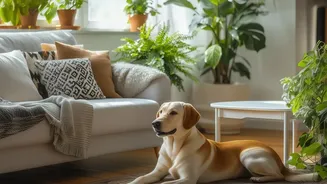
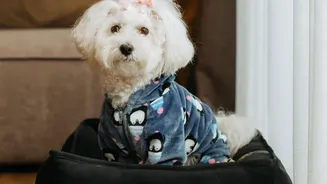
Teaching your pet to settle in a specific spot on command is a game-changer. Choose a comfortable bed or mat in the room you spend the most time in. Make this their special spot, a safe haven filled with their favorite blanket or a toy. Start by luring them onto the mat with a treat. Once they are on it, say "Go to your spot" and give them the treat and praise. Repeat this, gradually increasing the time they must stay on the mat before getting a reward. The goal is to create a positive association with this spot. Practice this while you are in the room, so they learn to relax independently without needing to be physically beside you. This isn't about isolation; it's about teaching them to be comfortable in their own space, near you.
Practice Gradual Departures
Once your pet can comfortably settle in their spot, you can start practicing short 'separations.' Ask them to go to their spot. Then, simply stand up and walk to the other side of the room. Immediately return and reward them if they stayed put. The key is to return before they have a chance to get up and follow. Gradually increase the distance and duration. Walk out of the doorway for just one second, then return. Next time, try three seconds. Then five. Always remain calm and low-key during these exercises. Don't make a big fuss when you leave or come back, as this can heighten anxiety. The goal is to desensitize them to your movements and teach them that you always come back.
What Not to Do
How you react to clingy behavior matters. Avoid punishing your pet for following you; this can create fear and anxiety, making the problem worse. Similarly, don't accidentally reward the clinginess. If your dog follows you and nudges you for attention, and you immediately pet them, you are reinforcing the behavior. Instead, gently ignore attention-seeking behavior until they are calm, and then offer praise. It’s also important not to interrupt moments of independence. If you see your usually clingy pet resting quietly by themselves or playing with a toy on their own, resist the urge to go over and praise them. Let them enjoy their solo time, as this is the exact behavior you want to encourage.