
The Sun's Final Act
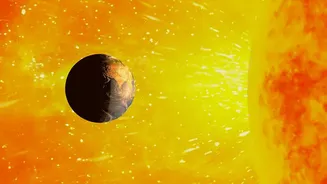
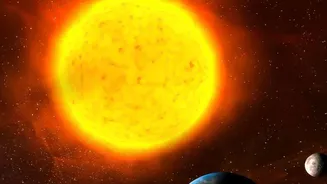
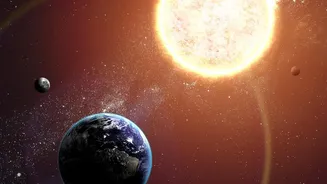
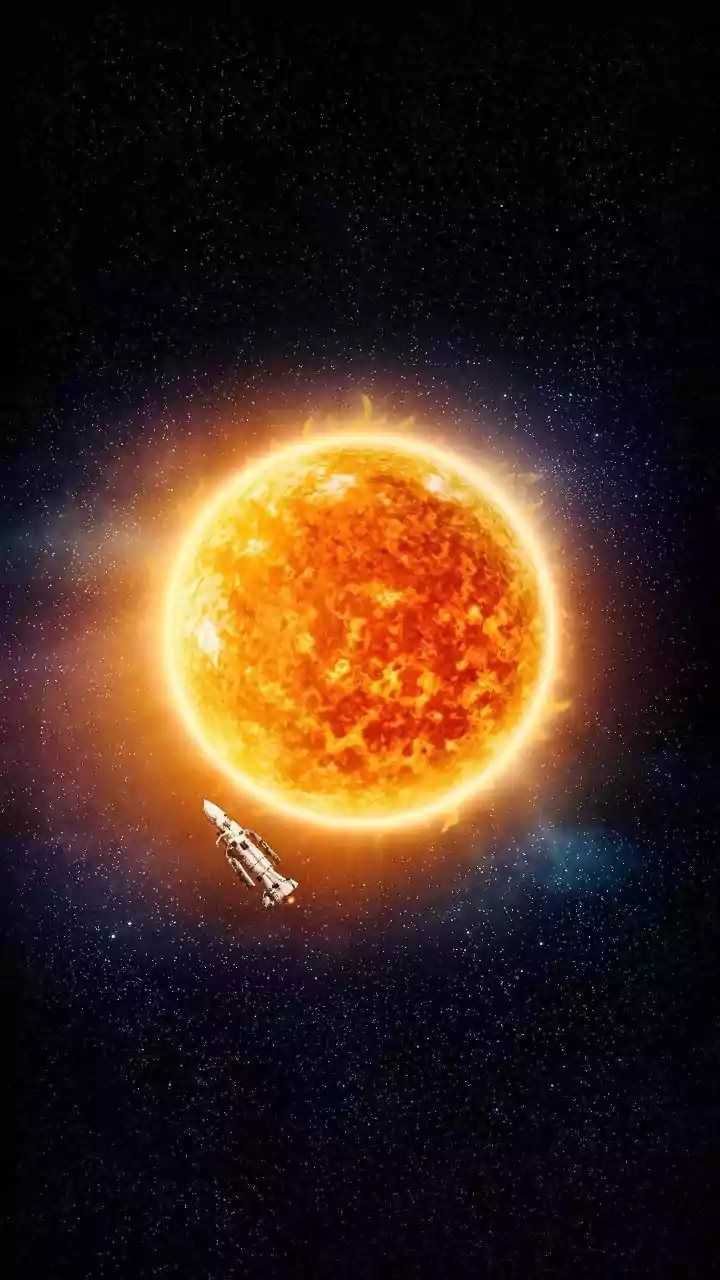
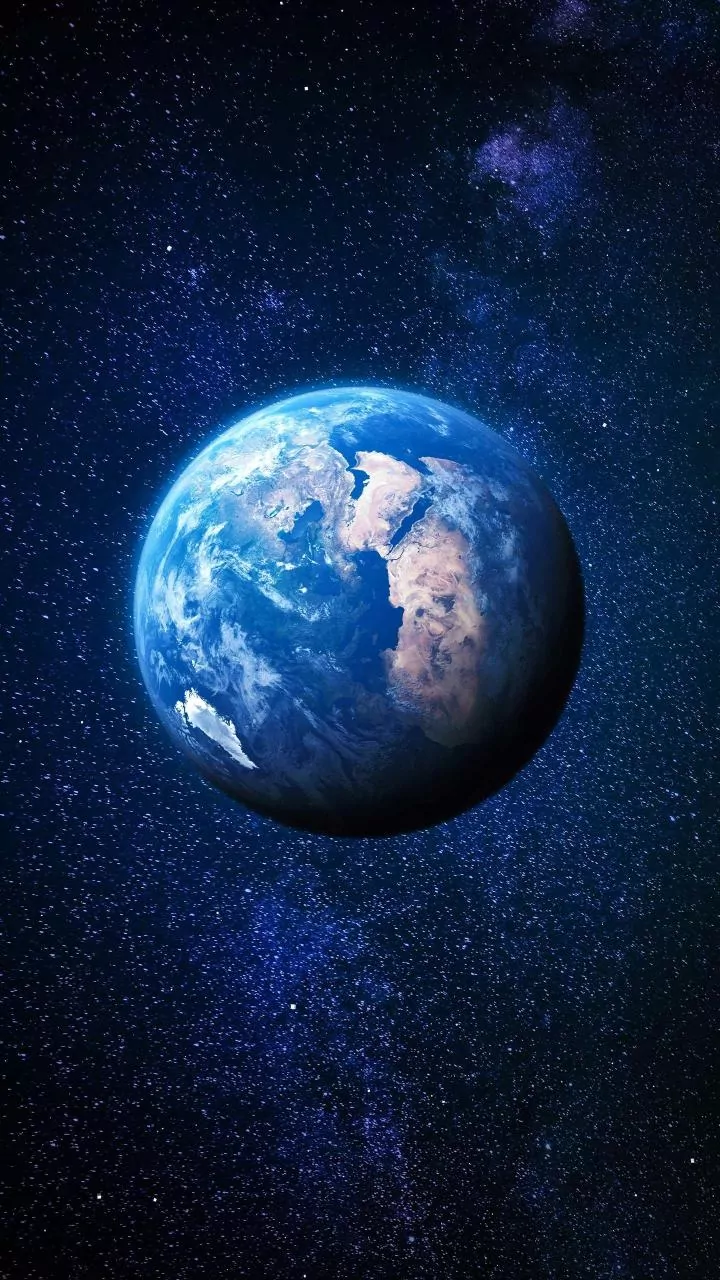
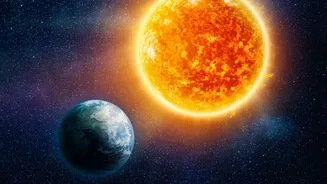
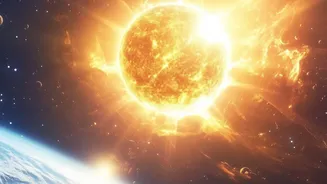
In about five billion years, the Sun will run out of the hydrogen fuel in its core that has powered it for nearly ten billion years. It will then swell into a red giant, a star so enormous its outer layers will consume Mercury and Venus, and possibly
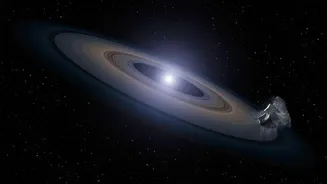
even Earth. After this phase, the Sun will cast off its outer layers, leaving behind a dense, cooling core called a white dwarf. During this entire process, from red giant to white dwarf, the Sun is expected to lose about half of its current mass. This stellar weight loss program has profound consequences for every world still orbiting it.
A Weaker Gravitational Grip
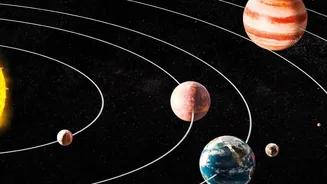
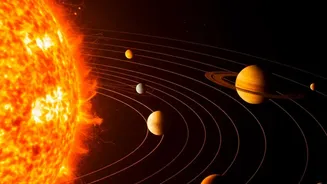
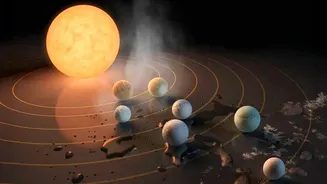
Gravity is a function of mass. As the Sun sheds its layers, its gravitational pull on the remaining planets will weaken. In response, the orbits of the outer planets—Jupiter, Saturn, Uranus, and Neptune—will expand. For a long time, scientists believed this process would be smooth and predictable. Models suggested that the planets would simply drift into larger, stable orbits, where they could remain for an almost unimaginable length of time, perhaps for a quintillion years. The main threat to their stability was thought to be a chance encounter with a passing star, a rare event expected only over tens or hundreds of billions of years.
An End More Chaotic Than Calm
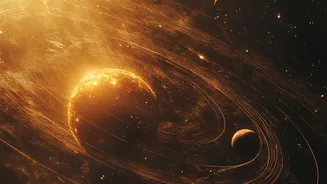
However, recent research published in The Astrophysical Journal Letters has introduced a dramatic twist to this long-term forecast. New simulations suggest the Sun's mass loss will be anything but smooth. Instead of a gentle, consistent stellar wind, the dying Sun will likely expel its mass in violent, random bursts. These unpredictable ejections, known as 'stochastic kicks', will push and pull on the outer planets in an erratic way. Each kick might be small, but over millions of years, the cumulative effect can dramatically alter the delicate gravitational balance that keeps the outer solar system in its neat, clockwork arrangement.
A Cosmic Billiards Game
These gravitational kicks can nudge the giant planets into unstable configurations. For example, Jupiter and Saturn could be pushed into a new orbital resonance, where their gravitational influences on each other are amplified. Rather than stabilising the system, this could trigger chaos. The simulations show a wide range of violent outcomes. The current orbital configuration could be completely destroyed. Some planets might be flung out of the solar system entirely, becoming rogue worlds drifting through interstellar space. Others could be sent on new, highly eccentric paths that cross the orbits of their neighbours, raising the possibility of planetary collisions. In about 40% of the scenarios modelled, this destabilisation began even before the Sun had finished its red giant phase.
A New, Shorter Timeline
This new understanding drastically shortens the solar system's expected lifespan. Instead of a stable existence lasting a billion billion years after the Sun becomes a white dwarf, the new research suggests the outer planets' arrangement could fall apart in as little as one billion years after the Sun's final transition. In roughly 90% of the computer models, the system lost its stable structure within three billion years of the Sun becoming a white dwarf. While this is still an immense timescale for humans, it represents a thousand-fold reduction in the previously estimated life of our planetary system. The cause of our system's eventual demise, it seems, won't be an external intruder, but the chaotic death of our very own star.