






The Traditional Global Playbook
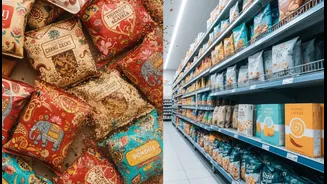
For decades, the global strategy for India's most beloved snack brands was straightforward but effective. It was driven by a powerful emotion: nostalgia. Companies recognised a captive market in the millions of Indians living abroad who craved a taste
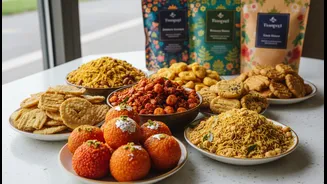
of home. The playbook involved partnering with local distributors to get packets of bhujia, namkeen, and sweets onto the ethnic aisle of grocery stores in the UK, US, Middle East, and Canada. This export-led model was a resounding success, turning brands like Haldiram's, which started exporting as early as 1993, into household names within the diaspora. The goal was simple: to be available wherever Indians were shopping.
A Fundamental Shift in Strategy
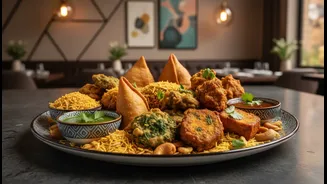
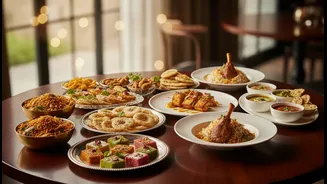
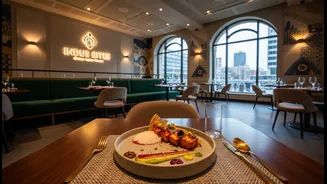
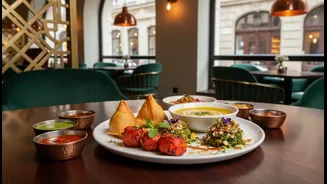
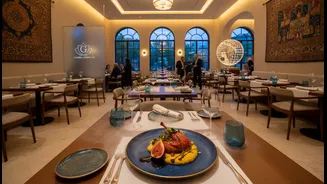
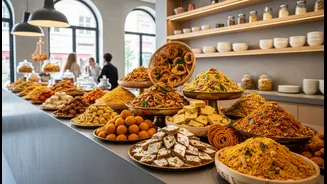
Now, that playbook is being rewritten. Leading brands are transitioning from simply being consumer packaged goods (CPG) to becoming full-fledged culinary experiences. The new strategy involves opening quick-service restaurants (QSRs), cafes, and even flagship dining establishments in major international hubs. Haldiram's, a pioneer in this shift, has been actively expanding its restaurant footprint, opening outlets in Dubai and a 120-seat flagship location in London's Leicester Square. This move isn't just about selling more food; it's about building a brand ecosystem. The packaged product on a shelf acts as an advertisement, while the restaurant offers an immersive experience that builds deeper loyalty.
Why Redefine a Winning Formula?
Several factors are driving this strategic evolution. Firstly, there's the pursuit of higher margins and greater control. While retail partnerships are valuable, owning the entire customer journey from kitchen to table allows brands to capture more value and ensure quality. Secondly, it's about reaching a new audience. The initial push was for the diaspora, but the growing global curiosity for authentic Indian food presents a massive opportunity. A restaurant is a far more effective way to introduce new customers to the breadth of Indian cuisine—from chaats to chole bhature—than a simple packet on a shelf. These physical locations also serve as powerful marketing hubs, strengthening brand recall in competitive international markets.
Pioneers of the New Wave
Haldiram's is a clear leader, with its recent high-profile openings in Dubai and London showcasing a hybrid format that combines dine-in and retail. The company views these restaurants as the next logical step in its global journey, complementing an export business that already reaches over 80 countries. Other brands are making aggressive moves as well. Bikaji Foods recently invested nearly $3 million into its US subsidiary to establish a local manufacturing facility. While currently focused on strengthening its retail supply chain, this investment lays the groundwork for a potential future pivot into physical restaurants, allowing the brand to better cater to rising demand in North America. This trend isn't limited to legacy giants; newer QSR chains also have their sights set on global markets from the outset.
Challenges on the Global Plate
This ambitious expansion is not without its hurdles. Moving from exporting products to operating restaurants in foreign countries is a significant operational leap. Brands must navigate complex local regulations, licensing, and permits, which are often stricter for food service businesses outside India. They also face the challenge of adapting menus for local palates without losing the authenticity that is their core selling point. Furthermore, managing global supply chains to ensure consistency across continents and competing with established local and international restaurant chains requires substantial capital, expertise, and a deep understanding of diverse markets.