


Before the First Downpour: A Vehicle Health Check
Your most important safety tool during the monsoon is a well-prepared car. Before the rains set in, conduct a thorough inspection. Tyres are your only contact with the road, and their ability to grip wet surfaces is crucial. Ensure they have adequate
tread depth—at least 3mm is recommended for monsoon safety. Worn tyres significantly increase the risk of accidents on wet roads. Next, check your wiper blades. The intense summer heat can harden the rubber, causing them to streak or skip. If they don't clear the windshield effectively, replace them. Finally, have your brakes inspected. Wet roads increase stopping distances, so your brake pads, discs, and fluid must be in optimal condition.
Mastering Visibility: See and Be Seen
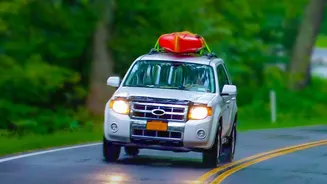
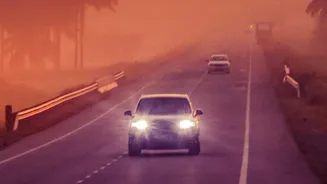
Heavy rain drastically reduces visibility, making it one of the biggest challenges of monsoon driving. Always switch on your low-beam headlights, even during the day. This isn't just for you to see the road better, but for other drivers to see you. Inside the car, fogging is an immediate issue. The temperature difference between the cabin and the wet windshield will cause it to mist up. Use your air conditioner and point the vents towards the windshield to clear it quickly; this is what the front defogger setting is for. Also, test your rear defogger to ensure it's working. Keeping your windshield and windows clean, inside and out, will also make a significant difference.
The Golden Rules: Slow Down and Keep Your Distance
The single most effective way to stay safe in the rain is to reduce your speed. Wet roads, slick with oil and debris, are incredibly slippery, especially during the first rains of the season. Your braking distance can be two to three times longer than on a dry road. Slowing down gives you more time to react to unexpected hazards. Equally important is increasing the distance between your vehicle and the one in front. The standard two-second rule should be doubled to at least four seconds. This buffer zone is your best defence against sudden stops and skids.
Navigating Waterlogged Roads
One of the most common and dangerous monsoon hazards in India is waterlogging. If you cannot see the surface of the road or judge the depth of the water, it's best to avoid it altogether. If you must proceed, do so with extreme caution. Try to drive in the centre of the road where the water is likely to be shallowest. Drive slowly and steadily in a low gear, keeping the engine revs up to prevent water from entering the exhaust pipe. Never splash through a puddle at speed; you risk losing control, and deep water can flood your engine, causing catastrophic damage.
What to Do When You Hydroplane
Hydroplaning occurs when your tyres lose contact with the road and ride on a thin film of water, leading to a complete loss of steering and braking control. It can be a terrifying experience for any driver. If this happens, the most important thing is not to panic. Do not slam on the brakes or make sudden steering movements, as this can cause the car to spin. Instead, gently ease your foot off the accelerator. Keep the steering wheel steady and pointed in the direction you want to go. As the car slows down, the tyres will regain contact with the road, and you will feel control return.
Be Considerate to Others
Safe driving is not just about controlling your own vehicle; it's about being aware of others. Be especially considerate to pedestrians and two-wheeler riders, who are far more vulnerable in the rain. Avoid splashing through puddles near them. Because visibility is poor for everyone, use your turn signals well in advance and avoid sudden lane changes or turns. Remember that truck drivers may have massive blind spots, and their view is even worse in a downpour. A defensive and courteous driving style keeps everyone on the road safer.