





The Big Upgrade in Numbers
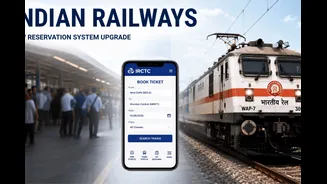
Indian Railways has replaced its nearly 40-year-old Passenger Reservation System (PRS) with a next-generation, cloud-based platform. The numbers behind this change are staggering. The old system could handle approximately 32,000 ticket bookings per minute.
The new system is designed to process over 1,50,000 bookings per minute — almost a fivefold increase in capacity. This isn't just about booking; the capacity for enquiries, such as checking PNR status or seat availability, has also seen a tenfold jump from around 4 lakh to over 40 lakh enquiries per minute. This upgrade, developed by the Centre for Railway Information Systems (CRIS), is one of the most significant overhauls to the railway ticketing infrastructure in decades.
What This Means for Tatkal Warriors
For millions of travellers, the most stressful part of train travel is booking the ticket itself, especially during the Tatkal window. The mad rush of simultaneous logins frequently caused the old system to slow down or crash, leading to payment failures and lost opportunities. The new system is specifically built for resilience during these peak loads. By distributing the traffic across a cloud-enabled architecture, it is designed to remain stable and responsive even when thousands of users are trying to book at the same second. In theory, this means fewer error messages and a smoother, less frustrating experience for those competing for last-minute tickets. The goal is to turn the game of luck into a more predictable and fair process.
Early Results and the Reality Check
The promises sound great, but is it actually working? The transition to the new system has been phased, with a new IRCTC beta website going live on July 15, 2026. Early data from this period offers some encouraging signs. According to Indian Railways, in the weeks following the launch of the beta site, Tatkal bookings completed within the first three minutes of the window opening increased by over 5%. Similarly, bookings completed within five minutes saw a 3% improvement. While not a seismic shift, this data indicates a tangible improvement in performance. The system is demonstrably faster, allowing more genuine users to complete their transactions in those crucial first few minutes.
Your New Game Plan: Master the Master List
The new system’s speed changes the strategy. With tickets being booked faster than ever, preparation is no longer optional; it is essential. The single most important tool in your arsenal is the 'Master List' feature on your IRCTC profile. Before the booking window opens, you should log in and save the details of all potential passengers (name, age, gender, ID, berth preference) to this list. During the booking process, instead of frantically typing information, you can simply select the passengers from your pre-saved list. This action alone can save you 30 to 60 seconds, which is often the difference between a confirmed ticket and a spot on the waitlist. In this new high-speed environment, manual data entry is a guaranteed way to lose the race.
The Final Hurdle: The Payment Dash
You've navigated the search, found your train, and selected your pre-saved passengers in record time. But the booking isn't secure until your payment is processed. This is the final and most common failure point. To maximize your chances, you must use the fastest payment methods available. The IRCTC eWallet is widely considered the quickest option, as it requires minimal steps for authorization. The next best choices are UPI and other pre-configured wallets. Avoid methods that require you to manually type in card numbers, CVVs, and then wait for an OTP. In the time it takes for that SMS to arrive, hundreds of other, better-prepared users will have already secured their seats. Decide on your payment method beforehand and have it ready to go.
Fine-Tuning Your Approach
Beyond the master list and payment strategy, a few other timeless tips become even more critical now. First, ensure you have a stable, high-speed internet connection. Avoid using shared or office Wi-Fi, which can sometimes cause login issues. A reliable mobile hotspot can be a great backup. Log in to the IRCTC portal at least five minutes before the Tatkal window opens (10 AM for AC classes, 11 AM for Non-AC) and have your journey details ready on the search page. Finally, be decisive. Know the exact train and class you want. Hesitating or trying to check availability for multiple options will slow you down. The new system rewards speed and preparation above all else.