




Gandhi Jayanti: A Day of National Reflection
The month begins on a solemn and reflective note with Gandhi Jayanti on October 2. A national holiday observed across all states and union territories, this day marks the birth anniversary of Mahatma Gandhi, the Father of the Nation. Unlike the more vibrant
festivals later in the month, Gandhi Jayanti is a time for prayer meetings, commemorative ceremonies in schools and government offices, and paying homage to his principles of non-violence and truth. It is one of India's three official national holidays and serves as a quiet reminder of the nation's foundational values before the festive season kicks into high gear.
Sharad Navratri: Nine Nights of Dance and Devotion
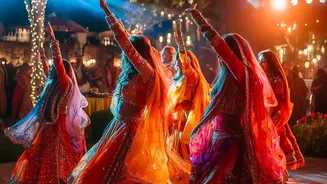
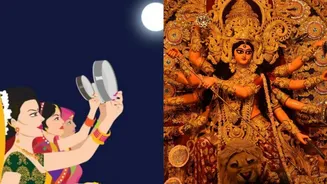
The heart of October's festivities beats to the rhythm of Sharad Navratri, which begins on October 11 and concludes on October 19. This nine-night festival, also known as Maha Navratri, is dedicated to the worship of Goddess Durga and her nine divine forms. Celebrations vary dramatically across the country. In Gujarat and Maharashtra, nights come alive with energetic Garba and Dandiya Raas dances, where communities gather in colourful attire to dance in concentric circles. In other regions, devotees observe fasts, visit temples, and perform special pujas. The festival is a profound spiritual period and a vibrant cultural showcase, culminating in the final days of Durga Ashtami and Maha Navami.
Dussehra (Vijayadashami): The Triumph of Good Over Evil
Immediately following Navratri, the entire nation celebrates Dussehra, also known as Vijayadashami, on October 20. This festival marks the triumphant victory of good over evil. In most of North India, it celebrates Lord Rama's victory over the ten-headed demon king Ravana. The celebration is famously marked by the burning of colossal effigies of Ravana, his brother Kumbhakarna, and his son Meghnada in large public gatherings. In eastern and southern India, the day commemorates Goddess Durga's victory over the demon Mahishasura, often concluding the Durga Puja festival with the immersion of idols. Regardless of the regional narrative, Dussehra is a day of immense joy, feasting, and colourful public processions.
Karwa Chauth: A Tradition of Love and Well-being
Towards the end of the month, on October 29, many parts of North India will observe Karwa Chauth. This festival is a significant tradition for married Hindu women, who observe a strict, day-long fast from sunrise to moonrise, praying for the health, prosperity, and long life of their husbands. The day begins with a pre-dawn meal called 'sargi' and is marked by women dressing in beautiful traditional attire, applying mehendi, and gathering in the evening to perform pujas together. The fast is broken only after sighting the moon through a sieve, creating a deeply romantic and cherished ritual that strengthens marital bonds.