



The thrill of planning a holiday can sometimes lower our guard, making us vulnerable to scams. Cybersecurity firm Kaspersky is warning travellers about a rise in digital threats, from fake payment codes to phantom bookings.
The Rise of 'Quishing'
One of the fastest-growing threats
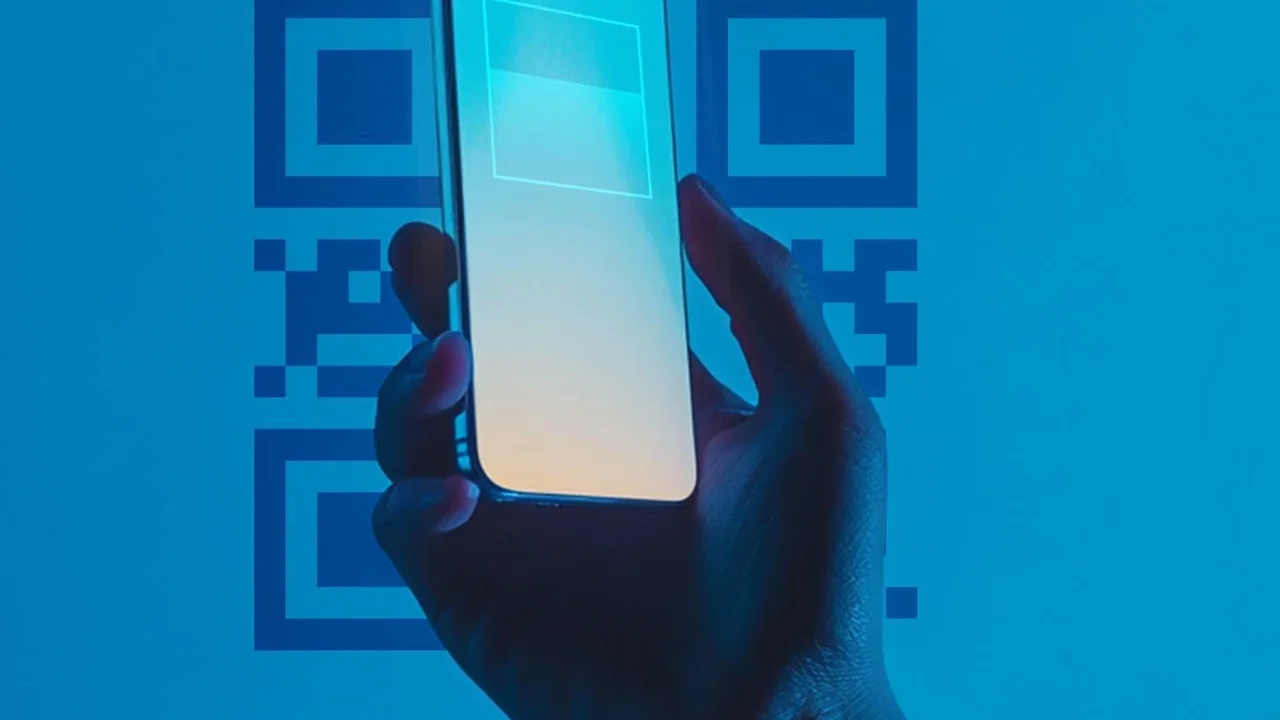
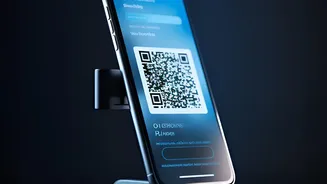
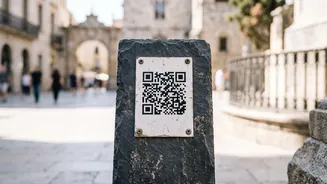
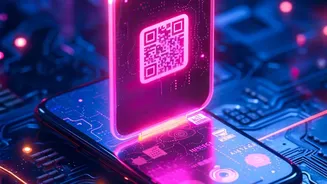
is QR code phishing, also known as 'quishing'. Scammers are placing their own malicious QR code stickers over legitimate ones at tourist hotspots like restaurants, parking meters, and museums. When you scan what you think is a code for a menu or a payment portal, it directs you to a fraudulent website designed to steal your credit card details or personal information. These fake codes are often just stickers placed over the real ones, so they may look raised, crooked, or have peeling edges. This scam is effective because it preys on travellers who are often rushed, distracted, and accustomed to the convenience of QR codes.
How to Avoid QR Code Scams
To protect yourself, always inspect a QR code before scanning it. If it looks like a sticker placed on top of another sign, be cautious. After scanning, check the URL that appears in your browser. If it looks suspicious or doesn't match the name of the business, do not enter any information. Whenever possible, use a dedicated secure QR scanner app that can check links for malicious content before opening them. If you are paying for a service, double-check the merchant details before confirming the payment and enable transaction notifications with your bank to spot any unauthorised charges quickly.
Classic Phishing and Fake Bookings
Beyond QR codes, classic travel scams are thriving. Phishing remains a major risk, with scammers sending fake emails or text messages that appear to be from airlines, hotels, or booking agencies. These messages often create a sense of urgency, claiming a flight is cancelled or a booking has an issue, and prompt you to click a link to resolve it. These links lead to fake websites that harvest your login credentials and financial data. Similarly, cybercriminals create entire fake booking websites that mimic legitimate platforms like Booking.com or Airbnb. They lure travellers with deals that seem too good to be true, only to steal their money for a reservation that doesn't exist.
Tips for Secure Trip Planning
The best defence is to be proactive and sceptical. Always book directly through official airline or hotel websites and apps, rather than clicking on links in unsolicited emails. Before entering payment details on any site, check that the URL starts with 'https' and that the domain name is spelled correctly. Be wary of deals that require immediate payment through unusual methods like wire transfers or cryptocurrency, as these are red flags for scams. For all your travel-related accounts, use strong, unique passwords and enable multi-factor authentication for an extra layer of security. When travelling, avoid using public Wi-Fi for sensitive activities like banking; use a VPN to encrypt your connection if you must.