

An Undisputed Cultural Staple
In India, tea is the unofficial national drink. It’s the first thing offered to guests, the fuel for late-night work sessions, and the companion to rainy afternoons. The culture of ‘chai-pe-charcha’ (a chat over tea) is deeply embedded in the nation's
social fabric, a ritual that punctuates the day for people from all walks of life. This isn't a new phenomenon; while large-scale cultivation was popularized under British rule, Indians made tea their own by adding milk, sugar, and a host of spices like ginger, cardamom, and cloves, creating the beloved masala chai. Each household often prides itself on its unique recipe, a tradition passed down through generations. This deep-rooted connection has made tea an emotional and cultural touchstone, largely unexamined from a nutritional perspective until recently.
The Great Divide: Tea vs. Additives
The new conversation around tea isn't about the leaves themselves, but what we put in them. Black tea is rich in antioxidants like flavonoids, which are linked to better heart health and reduced inflammation. Spices commonly found in masala chai, such as ginger and cinnamon, are celebrated for their digestive and anti-inflammatory properties. However, the health narrative changes dramatically with the addition of sugar and milk. Excessive sugar is a primary concern, with many Indians consuming several cups of heavily sweetened chai daily. This habit can contribute significantly to daily calorie intake, increasing the risk of weight gain and metabolic diseases like Type 2 diabetes. Furthermore, some studies suggest that the proteins in milk may bind with the antioxidants in tea, potentially reducing their availability to the body. Another point of concern is that tannins in tea can interfere with iron absorption, an issue recently highlighted by the Indian Council of Medical Research (ICMR), which advises against drinking tea an hour before or after meals.
The Rise of the Wellness Brew
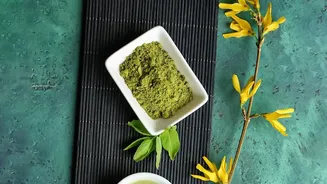
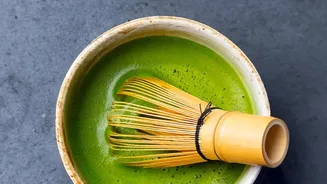
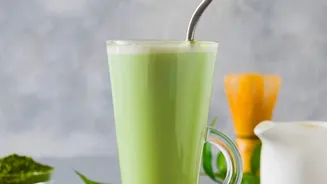
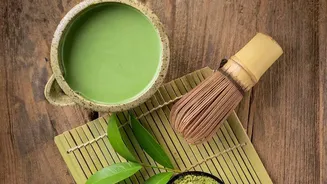
As health consciousness grows, so does the market for alternatives. There's a noticeable shift towards wellness teas and herbal infusions, a market in India projected to grow significantly. Consumers are increasingly seeking out beverages with functional benefits, from calming chamomile to immunity-boosting tulsi blends. This trend is not about replacing chai entirely, but about diversifying consumption habits. Many urban Indians are now incorporating green tea, oolong, and other specialty teas into their routines, drawn by their reported health benefits, such as boosting metabolism and being rich in specific antioxidants. This movement is part of a broader global trend towards functional beverages that promise to help consumers feel more balanced and settled.
A Modern, Mindful Approach to Chai
The good news is that experts aren't asking people to abandon their beloved chai. The focus is on mindful consumption. Nutritionists suggest simple modifications to make the daily cup healthier. Reducing sugar is the most impactful change one can make. Many are also experimenting with sugar alternatives like jaggery (in moderation), using skimmed milk to reduce fat content, or simply appreciating the flavour of tea with fewer additions. The conversation is also turning to portion control, with many experts suggesting a limit of one to two cups per day to avoid side effects from excess caffeine, such as acidity or disrupted sleep. The core message is one of adjustment, not abandonment. It's about recognizing that how chai is prepared is just as important as the act of drinking it.