


The Golden Comfort of Dhuska
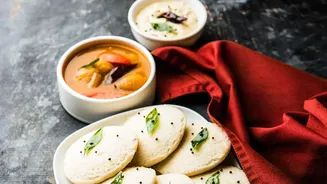
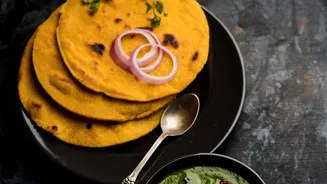
At first glance, Dhuska might look like a simple fried savoury pancake, but it is one of Jharkhand’s most iconic foods. It’s a deep-fried disc made from a batter of ground rice and lentils, typically chana dal and urad dal. This batter is often fermented
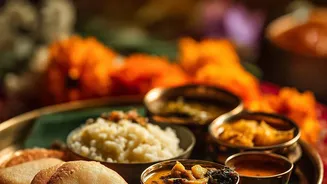
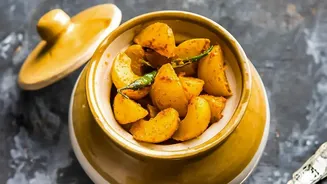
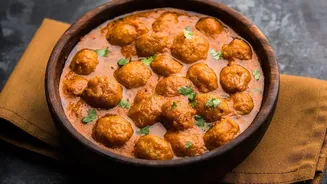
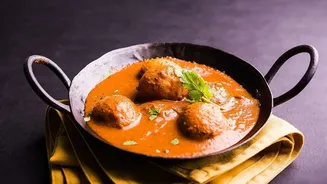
for a few hours, which gives the final product a wonderfully soft, slightly airy inside and a satisfyingly crisp, golden-brown exterior. Seasoned with subtle hints of cumin, green chillies, and ginger, Dhuska is a flavour-packed snack commonly enjoyed for breakfast or during festivals. It is traditionally served hot, straight from the frying pan, alongside a spicy potato curry or a chickpea curry known as ghugni. This pairing makes for a hearty, comforting meal that is deeply woven into the state's community life, from bustling market stalls to festive family gatherings.
The Delicate Simplicity of Chhilka Roti
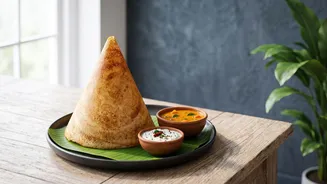
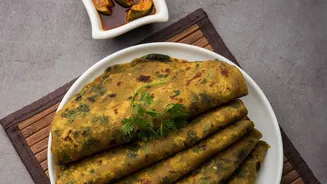
If Dhuska is the celebratory indulgence, Chhilka Roti is its humble, everyday counterpart. Resembling a thin crepe or a soft dosa, this flatbread is a staple in many Jharkhandi homes. It is made from a thin batter of rice flour and chana dal, which is soaked overnight and ground smooth. Unlike leavened breads, the batter is poured onto a hot tawa and cooked until it is soft and light brown. The name 'Chhilka' alludes to its thin, peel-like nature. What makes Chhilka Roti special is its incredible versatility and simplicity. Eaten for breakfast or as part of a main meal, it pairs beautifully with almost anything, from a simple chana dal chutney or vegetable curry to robust meat dishes. Its gentle flavour and soft texture make it the perfect canvas for the region's other vibrant tastes.
A Plate Rooted in the Land
Together, Dhuska and Chhilka Roti reveal a core truth about Jharkhand's culinary philosophy: it is a cuisine built from the ground up. Both dishes rely on two of the region's most important agricultural products: rice and lentils. This isn't just a matter of taste, but a direct reflection of the local landscape and farming traditions. The cuisine is deeply connected to what the land can provide. This reliance on staple grains demonstrates a food culture that is resourceful and sustainable, perfected over generations to create nourishing and flavourful meals from a handful of core ingredients. The methods—soaking, grinding, and fermenting—are traditional techniques used to enhance flavour and nutrition without relying on complex spices or expensive additions.
More Than Just Food: A Tribal Legacy
Jharkhand's food traditions are profoundly shaped by its tribal heritage, which prioritises community, sustainability, and a deep respect for nature. Dishes like Dhuska and Chhilka Roti are not just recipes; they are edible culture. They are prepared in homes for special occasions and daily meals, often involving family participation that passes culinary wisdom through generations. The minimal use of spices in many traditional dishes, including Chhilka Roti, allows the natural taste of the primary ingredients to shine. This culinary approach stems from a lifestyle where food is cooked for nourishment and community bonding, not for elaborate presentation. It reflects a way of life where sustainability isn't a modern trend but an ancient practice, where local produce, from foraged forest greens to cultivated grains, forms the heart of every meal.