









More Than Just a Forecast
We often think of weather in our cities as an inconvenience—a monsoon downpour that floods the streets, or a heatwave that makes the concrete unbearable. But this perspective misses a more subtle, beautiful story. Weather is also an artist, constantly
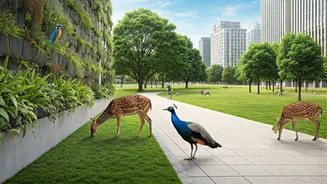
repainting the urban canvas and revealing the resilient nature that co-exists with us. The first rains of the season don't just bring relief; they wash the dust from leaves, making every roadside plant shine with a startling vibrancy. This seasonal shift awakens dormant seeds and nourishes the soil, creating a burst of green that can change the entire feel of a neighbourhood. A sudden cold snap might bring a unique quiet, while a clear day after a storm offers unparalleled city vistas under a brilliant blue sky. This is the other side of weather: not a set of conditions to be endured, but an active force that brings the hidden ecosystem of the city to life, reminding us that nature is present even in the most built-up environments.
The Digital Garden
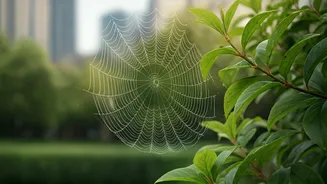
When you see a spiderweb jewelled with raindrops or a perfect sunset framed between two buildings, what’s the first impulse? For many, it's to take a photo and share it. This act is about more than just seeking 'likes'; it's a modern way of collecting and sharing moments of unexpected beauty. Sharing images of nature online can have a positive effect on our well-being, fostering a sense of connection. Platforms like Instagram become a kind of digital window box or a shared public garden, where we collectively appreciate these small wonders. The motivation is often rooted in a desire to share a feeling of awe and to connect with others who see the same beauty. This digital behaviour highlights a deep-seated human need to affiliate with nature, a concept popularised as the 'biophilia hypothesis'. It suggests we have an innate tendency to seek connections with life. In our urbanised world, sharing a photo of a resilient flower pushing through pavement becomes a testament to this instinct.
Why Noticing Matters
Paying attention to these small moments of urban nature is not just a pleasant distraction; it's beneficial for our mental and physical health. A growing body of research confirms that exposure to green spaces, even small ones, can reduce stress, lower blood pressure, and improve our overall mood. The concept of biophilic design, which integrates natural elements into urban spaces, is built on this very idea—that connecting with nature is a biological necessity for human well-being. When we consciously look for the effects of weather on our environment, we are practicing a form of mindfulness. We shift our focus from the noise and rush of the city to the delicate interplay of light, water, and life. This act of seeing helps ground us in our surroundings, fostering a deeper appreciation for the places we live. Cities across India are increasingly recognising this, with projects aimed at restoring wetlands and creating biodiversity parks in places like Delhi, Surat, and Bhubaneswar, turning once-neglected areas into thriving green lungs.
A Guide to Urban Nature-Spotting
You don't need to visit a national park to connect with nature. Your daily commute can become a mini-safari if you know what to look for. Start by looking up. The clouds are a constantly changing spectacle, especially during sunrise and sunset. Notice how the light changes before and after a storm. After a rain shower, look down. Puddles reflect the sky and buildings in fascinating ways, and water brings out the rich colours of brick and stone. Pay attention to the city's unsung flora—the small, resilient plants known as ephemerals that sprout in pavement cracks and along walls, especially during the monsoon. Observe the local fauna. Notice how birds change their behaviour with the weather, or the sudden appearance of insects like dragonflies and butterflies that thrive in the monsoon dampness. Even the way sound travels is affected by weather; the city often sounds different in the dense air of a foggy morning compared to a crisp, clear afternoon. By tuning your senses to these details, the city reveals itself as a dynamic, living ecosystem.