







A Tale of Two Cylinders
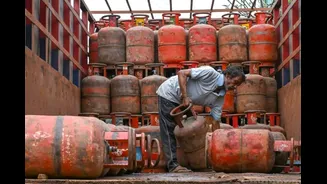
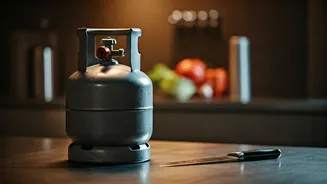
On July 1, 2026, oil marketing companies announced a substantial price reduction for 19 kg commercial LPG cylinders, marking the first such cut this year. In Delhi, the price dropped by ₹183.50, bringing welcome relief to businesses. Similar reductions
were seen across the country, with prices falling by around ₹182 in Mumbai and ₹174 in Kolkata. However, it's important to note that the price of the 14.2 kg domestic cylinder, which is used in nearly 90% of Indian households, remains unchanged for now. So while your home kitchen budget won't see an immediate benefit, this development is still a major win for anyone who loves to eat out.
Relief for Restaurants and Eateries
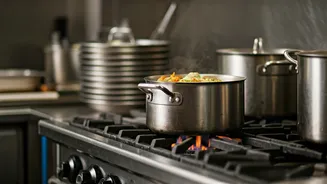
For months, India's vibrant food and beverage industry has been navigating a difficult period. Soaring fuel costs, driven by supply chain disruptions and geopolitical tensions, had put immense pressure on restaurants, hotels, and street food vendors. Many of these businesses operate on thin margins, and fuel is a major operational expense. The relentless price hikes forced many owners into difficult decisions, including raising menu prices, reducing staff, or even removing certain dishes that required longer cooking times. This recent price cut on commercial gas is therefore more than just a number; it’s a crucial breather that could help stabilize these beloved local businesses.
From Kitchen Costs to Your Menu
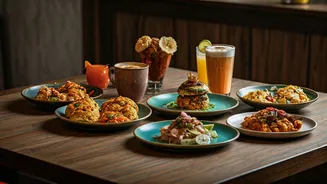
This is where the news directly enters the 'foodie chat'. When a restaurant's costs go down, it eases the pressure to pass those expenses onto the customer. While you may not see immediate price drops on your favourite dishes, this move could prevent future hikes. It gives restaurants the financial space to maintain quality and portion sizes without compromising. More excitingly, for food lovers, it could mean a more diverse and interesting menu. Eateries that had to stop making fuel-intensive dishes like slow-cooked curries or elaborate biryanis due to high gas consumption might now feel confident enough to bring them back. Essentially, this price cut helps preserve the culinary creativity and affordability that makes eating out in India so special.
A Boost for Small Food Entrepreneurs
The impact extends beyond established restaurants. The price reduction is a significant boost for the growing ecosystem of small-scale food entrepreneurs. This includes home bakers, tiffin service providers, and caterers who often rely on commercial or FTL (Free Trade LPG) cylinders for their operations. The 5 kg FTL 'Chhotu' cylinder, popular among migrant workers and street vendors, also saw a modest price reduction. For these small businesses, every rupee saved on input costs is vital. Lower fuel expenses can improve their profitability, encourage growth, and foster innovation, adding more flavour and variety to the local food scene for everyone to enjoy.
What's Driving the Price Change?
This positive development isn't happening in a vacuum. The reduction in commercial LPG prices is primarily linked to a softening of global energy markets. An easing of geopolitical tensions in West Asia has helped stabilize supply chains, particularly through crucial shipping routes like the Strait of Hormuz. As India imports a significant portion of its LPG, any decline in international crude oil and gas prices eventually provides room for domestic price adjustments. While prices remain dynamic and subject to global events, the current trend offers a period of welcome stability for businesses.