




We’ve all felt the pang of guilt from tossing a bag of slimy spinach or a fuzzy block of cheese. It feels like throwing money away, because it is. But what if the secret to cutting that waste wasn't a set of rules, but a little kitchen chemistry?
The Invisible Enemy: Oxygen
One of
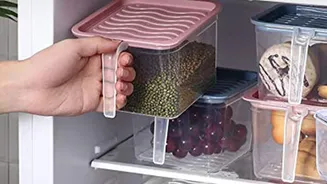
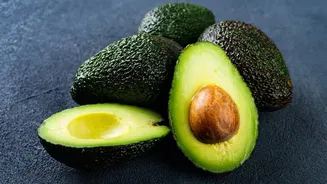
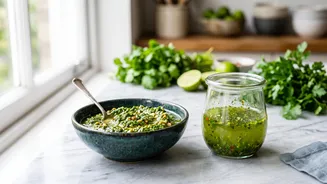
the main culprits behind food spoilage is oxidation, a chemical reaction that happens when food is exposed to air. It’s the reason a cut apple or avocado turns brown, and why the fats in nuts, oils, and even crackers can develop a stale, rancid taste. This process doesn't just make food unappealing; it also degrades its nutritional value, especially for vitamins A, C, and E. The fix is simple: limit air exposure. Storing leftovers, cheeses, and pre-cut produce in airtight containers is your best defense. For things like guacamole or a halved avocado, a squeeze of lemon or lime juice isn't just for flavor. The citric acid acts as an antioxidant, slowing down the browning process significantly.
The Ripening Ripple Effect
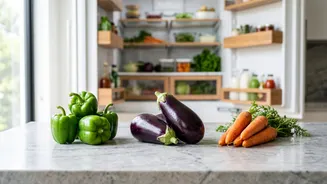
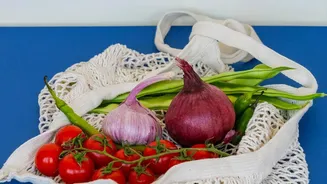
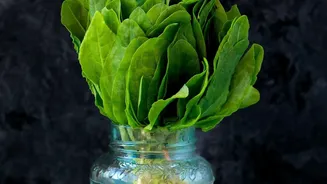
Have you ever noticed how a bunch of bananas seems to ripen—and then overripen—all at once? You can thank ethylene, a natural, odorless gas that acts as a ripening hormone for many fruits. Fruits like apples, bananas, peaches, and ripe tomatoes are high ethylene producers. When you store them next to ethylene-sensitive produce—like leafy greens, broccoli, carrots, or cucumbers—you're telling your veggies to age faster. This is why your lettuce wilts and your carrots go limp when they share a drawer with an apple. The effortless solution is strategic separation. Keep your high-ethylene-producing fruits on the counter or in their own designated bag or drawer, away from your sensitive vegetables. This single change can dramatically extend the life of your produce.
Nature's Self-Destruct Button
Even without air or ethylene, many foods are programmed to spoil themselves from the inside out. Natural enzymes, which help fruits and vegetables ripen, continue to work after harvesting. These enzymes are responsible for the softening, color changes, and flavor shifts as produce ages. For example, an overripe banana gets mushy and overly sweet because its enzymes are breaking down starches into sugars and softening its cell walls. This process is called enzymatic spoilage. While you can't stop it completely, you can slow it way down with temperature. Refrigeration is the most common method, as cold temperatures inhibit most enzyme activity. This is also why we blanch vegetables before freezing them; the quick boil deactivates the enzymes that would otherwise cause off-flavors and textures during storage.
Unwanted Microscopic Guests
Beyond chemical reactions, microbial growth from bacteria, molds, and yeasts is a major cause of spoilage. These tiny organisms thrive in environments with moisture and nutrients. This is why washed berries tend to get moldy almost overnight, as the moisture provides a perfect breeding ground. It's also why bread grows mold and leftovers can become slimy. The key is to control moisture and temperature. Don't wash produce like berries until you're ready to eat them. Ensure your fridge is set to 40°F or below to slow microbial growth. And remember that your freezer is your best friend for preservation; it effectively pauses the clock on both microbial and most enzymatic spoilage, allowing you to save leftovers, bread, and even some produce for much longer.