





Trend 1: The Light Fixture as Art
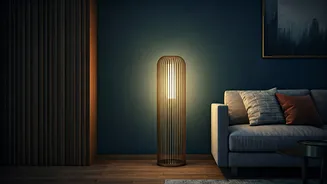
Think of your light fixture not just as a source of illumination, but as a piece of sculpture hanging in your home. This is the biggest shift in modern lighting design. Homeowners are moving away from simple, functional fittings and embracing bold, artistic
statement pieces. Imagine a dramatic, multi-armed chandelier over a dining table, a cascading pendant lamp in a stairwell, or an oversized, sculptural floor lamp that anchors a living room corner. These pieces serve as a focal point, drawing the eye and adding personality even when they're switched off. In urban homes where space can be limited, a stunning light fixture does double duty: it provides light and acts as a major decorative element, saving you from needing extra art or decor to fill a visual gap.
Trend 2: Creating Depth with Layers
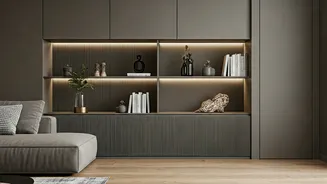
Professional designers know the secret to a rich, inviting room isn't one big light, but multiple layers of light working together. This trend is finally going mainstream. Layering involves using three types of lighting. First is 'ambient' lighting, the overall illumination from ceiling lights or recessed downlights. Second is 'task' lighting, which is focused light for specific activities, like a reading lamp by a sofa or under-cabinet lights in the kitchen. The final touch is 'accent' lighting—think a spotlight on a piece of art or a small lamp highlighting a plant. In a compact urban apartment, layering is a superpower. It allows a single room to serve multiple functions (work, relax, entertain) and creates an illusion of depth, making the space feel larger and more dynamic.
Trend 3: Smart and Human-Centric Lighting
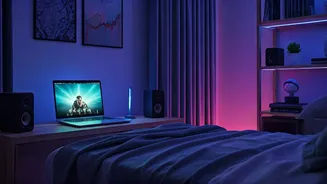
Technology has entered the chat. Smart lighting is no longer a futuristic gimmick; it’s a practical tool for modern living. With systems from brands like Philips Hue, Wipro, and others, you can control the brightness and even the colour of your lights from your phone. This trend is perfectly suited for the rhythms of urban life. You can program your lights to be bright and cool-toned during the workday to boost focus, and then transition them to a soft, warm glow in the evening to help you unwind. This is known as human-centric lighting, which aims to support our natural circadian rhythms. It's about making your home's atmosphere adapt to you, not the other way around, turning your apartment into a responsive, intelligent environment.
Trend 4: Natural Materials and Earthy Tones
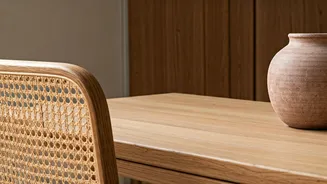
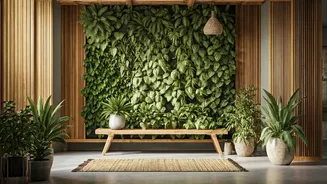
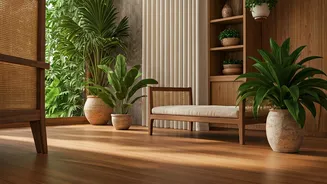
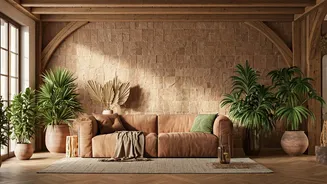
In the concrete jungle, there's a deep-seated craving for nature. This is reflected in the growing popularity of light fixtures made from natural and organic materials. Think pendants woven from rattan, bamboo, or jute, and table lamps with bases made of terracotta, wood, or unpolished stone. These materials bring texture, warmth, and a handcrafted feel into a space, providing a soft contrast to sleek, modern interiors. They diffuse light beautifully, casting soft, patterned shadows that add another layer of interest to a room. This trend, part of the larger biophilic design movement, is about creating a calming sanctuary that connects us to the natural world, providing a much-needed escape from the hustle of city life.
Trend 5: The End of Cold, White Light
Perhaps the simplest but most impactful trend is the collective move away from harsh, cool-toned white light. For years, the default was a clinical, blue-ish light that felt more appropriate for an office or hospital. Today, the focus is on creating a cosy, inviting atmosphere with warm light. When buying bulbs, look for a colour temperature between 2700K and 3000K (this is usually written on the box). This range mimics the warm, golden glow of a sunset or candlelight, which is psychologically comforting and makes a space feel instantly more welcoming. Using dimmers is the next step, allowing you to control the intensity for the perfect mood. This simple swap can single-handedly transform a sterile apartment into a warm and inviting home.