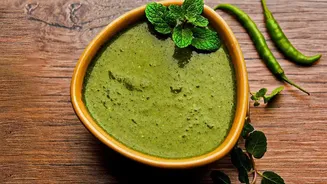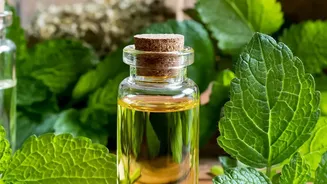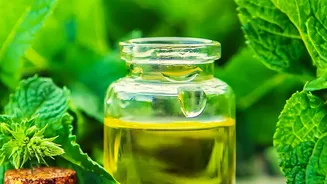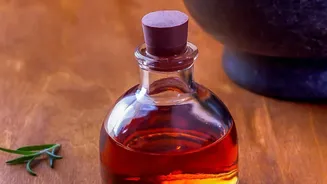

From Trash to Treasure
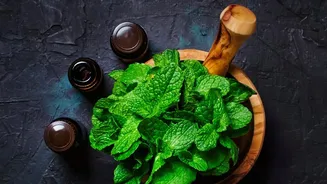
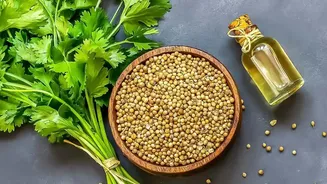
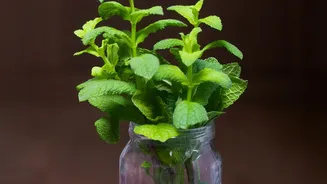
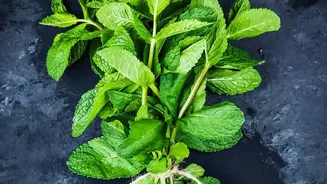
Every time you pick the leaves from a fresh bunch of coriander or mint, you're likely left with a pile of stems. For many home cooks, this is the moment they head to the compost bin. But in professional kitchens, these stems are seen as an asset. The
stems of soft herbs like coriander, mint, and parsley carry a huge amount of the plant's essential oils and aromatic compounds, sometimes offering a flavour even more potent and fresh than the leaves themselves. By tossing them out, you're discarding flavour and value. This zero-waste approach not only makes your kitchen more sustainable, but it also rewards you with a versatile, homemade ingredient that can elevate your everyday cooking. Transforming them into an infused oil is one of the easiest and most elegant ways to give them a second life.
Gather Your Simple Ingredients
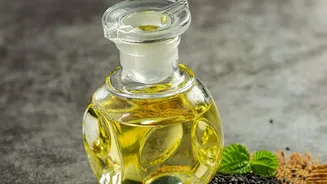
The beauty of this project lies in its simplicity. You only need two main ingredients: your leftover herb stems and oil. For the stems, make sure they are fresh and thoroughly washed. You can use a mix of coriander and mint, or just one, depending on what you have. This technique also works well for other soft herb stems like parsley and dill. For the oil, you have a choice. A neutral oil like sunflower, grapeseed, or a light olive oil will allow the pure flavour of the herbs to be the star. If you enjoy a more complex, peppery backdrop, a good quality extra-virgin olive oil is a wonderful option. You will need a large bunch of stems to get a potent flavour, so it’s a good idea to collect them in a container in the fridge over a few days until you have a substantial amount.
A Note on Food Safety
Before we begin, it's crucial to discuss food safety. Homemade oils infused with fresh ingredients can pose a risk of botulism if not prepared and stored correctly. This is because fresh herbs contain water, which, in an oxygen-free oil environment, can allow for the growth of Clostridium botulinum bacteria. To eliminate this risk, we will use a method that involves heating and straining. This process cooks the herbs, removes the moisture-laden solid materials, and leaves you with a pure, flavoured oil that is safer for storage. Always start with clean, sanitized jars and equipment. Boiling glass jars for ten minutes is an effective way to sterilize them.
Step-by-Step Infusion Guide
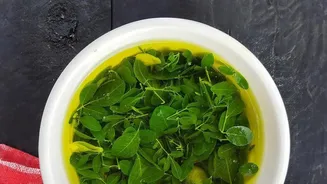
This heated infusion method is quick and ensures a safe, flavourful result. First, blanch your clean herb stems. Bring a pot of salted water to a boil and prepare a separate bowl of ice water. Drop the stems into the boiling water for just 15-30 seconds, until they turn a vibrant, bright green. Immediately remove them with a slotted spoon and plunge them into the ice bath to stop the cooking process and lock in the colour. Once cooled, remove the stems and pat them completely dry with a clean kitchen towel—removing as much water as possible is key. Next, roughly chop the blanched, dried stems and place them in a blender with your chosen oil. A good starting ratio is about two cups of lightly packed stems to one cup of oil. Blend on high until the mixture is smooth and the oil begins to warm up slightly from the friction of the blades. Pour the blended mixture into a saucepan and gently heat it over low heat for 2-3 minutes; do not let it boil. Finally, strain the oil. Line a fine-mesh sieve with a few layers of cheesecloth or a coffee filter and place it over a clean bowl or jar. Pour the warm oil mixture into the sieve and let it drip through naturally. This can take a while, but for the clearest oil, resist the temptation to press or squeeze the solids.
Storage and Delicious Uses
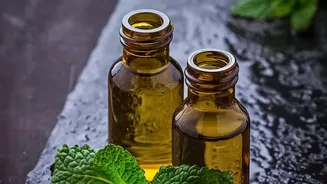
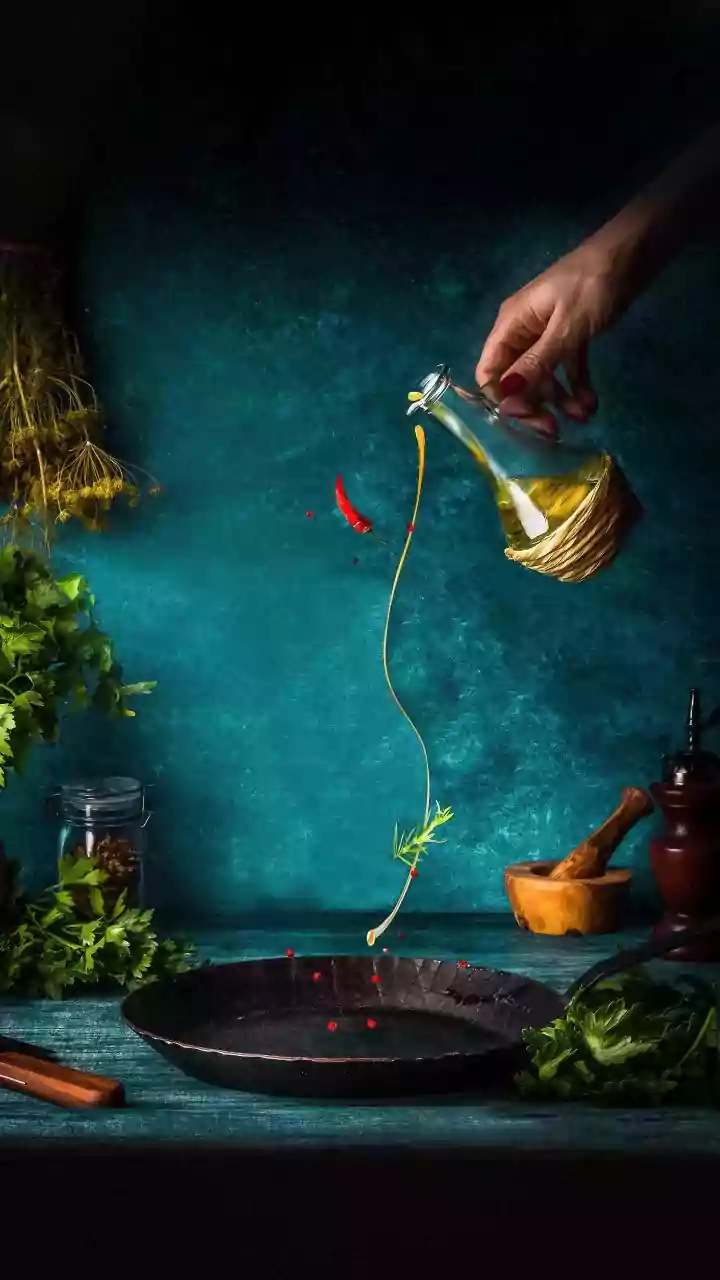
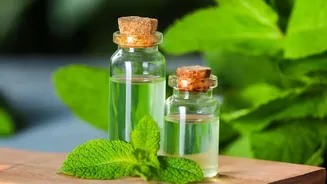
Once strained, pour your beautiful green oil into a sterilized, airtight bottle or jar. Because we used fresh herbs, even with the heating and straining method, it is safest to store your oil in the refrigerator. It should keep well for up to a week, though some sources suggest it can last longer. The oil may solidify or become cloudy in the cold; simply let it sit at room temperature for a few minutes to return to its liquid state before using. Now for the fun part: using your creation. This coriander and mint oil is incredibly versatile. Drizzle it over roasted vegetables, grilled fish, or chicken. Use it as a base for a vibrant salad dressing or as a finishing oil for soups and stews. It's also fantastic for dipping fresh bread, drizzling over hummus, or mixing into yogurt for a simple, flavourful sauce. The bright, fresh taste is a perfect way to finish a dish and add a professional touch to your home cooking.