




The Perfect Storm for Bacteria
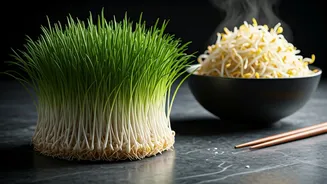
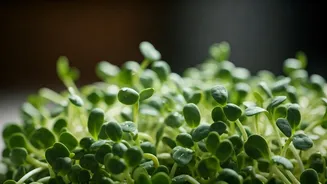
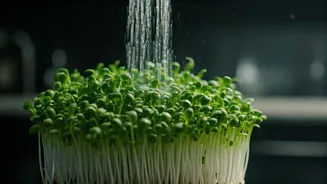
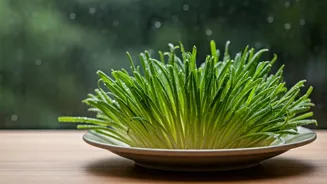
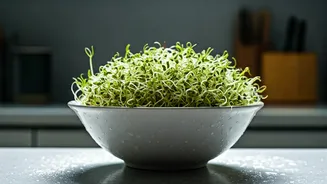
Sprouts are essentially baby plants, germinated in warm, moist conditions. Unfortunately, this environment is also a five-star resort for harmful bacteria like E. coli, Salmonella, and Listeria. During the monsoon, the high humidity in the air supercharges
this process. Even if you sprout them at home in seemingly clean conditions, airborne bacteria and moisture create an ideal breeding ground. The very process that makes a seed sprout is what makes it risky. The bacteria can get inside the seed even before it sprouts, making it impossible to wash off completely.
Why Rinsing Is Not Enough
A quick wash under running water might remove dirt and some surface-level germs, but it does little to eliminate the bacteria that may have colonized the sprout from within. Research has shown that pathogens can become internalised within the plant tissue. Think of it this way: you can wash the outside of a water pipe, but you can’t clean the inside without a special tool. Similarly, rinsing the exterior of a sprout won't touch the bacteria that have already made their home deep inside. This is why people can get sick from sprouts that look and smell perfectly fresh.
The Safest Solution: Cook Them
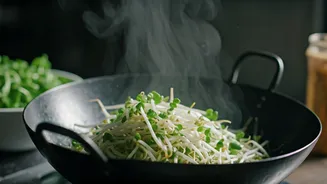
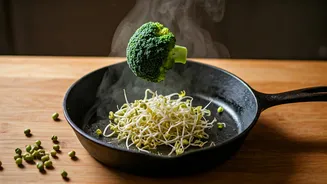
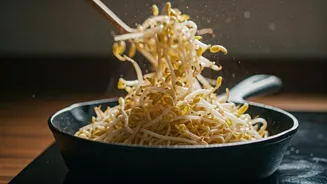
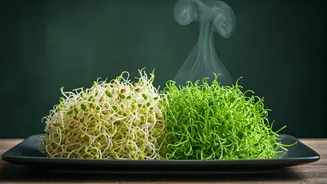
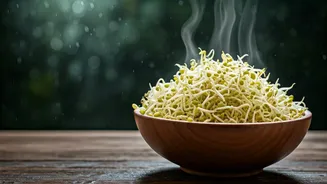
The single most effective way to make your sprouts safe to eat during the monsoon is to cook them thoroughly. Heat kills the dangerous bacteria that washing leaves behind. This doesn't mean you have to boil them into a flavourless mush. A light stir-fry, a quick sauté, or adding them to your dal, sabzi, or poha in the last few minutes of cooking is enough. Cook them until they are heated through and steaming. This simple step neutralises the risk without completely destroying the texture. For salads, you can lightly blanch your sprouts by dropping them in boiling water for a minute and then immediately transferring them to cold water to stop the cooking process. They'll retain some crunch while being significantly safer.
If You Must Eat Them Raw
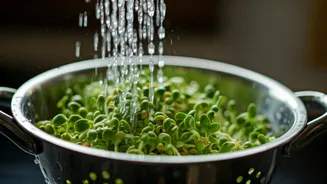
If you absolutely cannot resist the crunch of raw sprouts, you can take steps to reduce the risk, though it's never zero. First, be incredibly selective about your source. Buy from reputable vendors who maintain high hygiene standards, preferably those who sell sealed packets. At home, you can try a more intensive washing process. Soak the sprouts for 10-15 minutes in a bowl of water with a splash of vinegar or a food-safe vegetable wash. This can help reduce the surface bacterial load, but remember, it won’t eliminate internal pathogens. After soaking, rinse them thoroughly under clean, running water.
Who Should Avoid Raw Sprouts?
For some people, the risk of foodborne illness is far more serious. It is strongly recommended that certain groups avoid raw or lightly cooked sprouts altogether, especially during the monsoon. This includes young children, the elderly, pregnant women, and anyone with a compromised immune system (such as individuals undergoing chemotherapy or living with autoimmune diseases). For these individuals, their bodies may not be able to effectively fight off a bacterial infection, which can lead to severe complications. For them, cooked sprouts are the only safe option.