








The Promise of a Simple Symbol
For anyone committed to a vegan lifestyle, or even just curious, the explosion of products on shelves is both a blessing and a challenge. In response to consumer demand for clarity, various logos have emerged to signal that a product is free from animal-derived
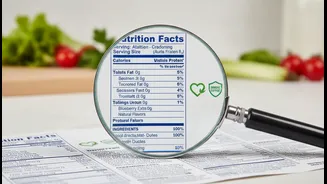
ingredients. The goal is simple: replace the tedious task of scanning long, complex ingredient lists with a quick, trustworthy glance. These symbols, from the internationally recognized V-Label to the Vegan Society's sunflower, promise peace of mind. In India, the Food Safety and Standards Authority of India (FSSAI) has also stepped in, introducing a mandatory logo for vegan foods to be implemented from July 2027. This official green symbol, featuring a 'V' and a leaf, aims to give consumers a clear, government-recognized mark, similar to the existing green dot for vegetarian items. These logos represent a huge step forward in making ethical and dietary choices easier for everyone.
Who Decides What Is Vegan?
The key thing to understand is that, aside from government-mandated systems like the FSSAI's, most vegan certifications are run by third-party, non-profit organizations. Groups like the Vegan Society (which coined the term 'vegan' in 1944) and Vegan Action have established rigorous standards that brands must meet to use their trademarked logos. Typically, their criteria go beyond just the ingredients. Certification usually requires that neither the final product nor its individual ingredients were tested on animals. Some also ban the use of GMOs that involve animal genes. These organizations require detailed verification from suppliers and can conduct audits to ensure compliance. Getting certified is a voluntary, and often costly, process for brands, but it lends them a level of credibility that a simple self-declared 'vegan' claim on the package may lack.
The Plant-Based Puzzle
One of the biggest sources of modern label confusion is the term 'plant-based'. While many people assume it means the same thing as vegan, that is often not the case. 'Vegan' is a well-defined standard: no animal products or by-products whatsoever. 'Plant-based', on the other hand, is largely a marketing term without a strict legal definition in many regions. A product described as 'plant-based' might be 95% plants but still contain small amounts of dairy or eggs. Some brands use the term to appeal to a broader 'flexitarian' audience who might be put off by the perceived strictness of the word 'vegan'. This creates a minefield for consumers, who may pick up a 'plant-based' pizza with dairy cheese or a burger that contains egg. While certification can help, it's a prime example of where a logo's absence requires a closer look at the ingredients.
Navigating the Grey Areas
Even with a trusted certification logo, some grey areas persist. The most common is the 'may contain' warning. A product can be officially vegan in its recipe, but if it's made on the same equipment as a non-vegan product, there is a risk of cross-contamination. FSSAI regulations, for example, mandate that businesses take precautions to avoid this, but the 'may contain' label is still used to warn consumers with severe allergies. For most vegans, this isn't a deal-breaker, but for those with a dairy or egg allergy, a vegan logo is not a substitute for an allergy warning. Furthermore, there's the issue of hidden animal products used in processing, such as isinglass (from fish bladders) to filter wine or bone char to refine sugar. Reputable vegan certifications are designed to screen for these, but products without a logo might not disclose them, as they aren't technically 'ingredients'.