





The Celestial Main Event
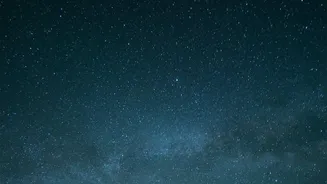
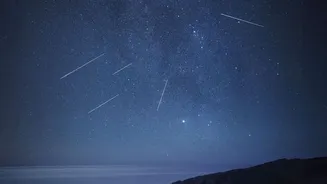
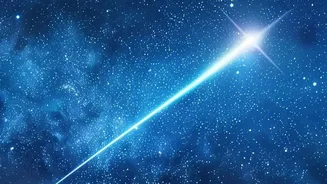
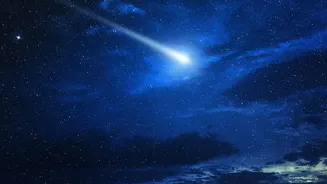
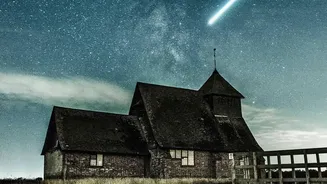
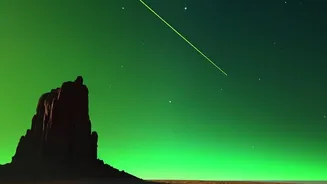
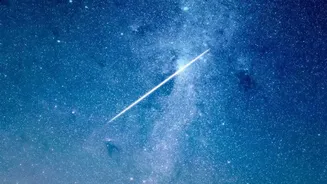
The annual Perseid meteor shower is one of the brightest and most plentiful of the year, famous for its fast, brilliant meteors and fireballs. It happens when Earth passes through the trail of dusty debris left by Comet Swift-Tuttle. This year, the show is active
from mid-July to late August, but the absolute best time to watch is during its peak. For 2026, that peak happens on the night of August 12, going into the pre-dawn hours of August 13. In India, the ideal viewing window is expected between 2 a.m. and dawn on August 13. What makes this year truly special is the timing. The peak coincides perfectly with a new moon, meaning the sky will be exceptionally dark, allowing even faint meteors to shine. Under ideal conditions, away from city lights, you could see up to 100 shooting stars per hour.
Finding Your Dark Sky Sanctuary
The single most important factor for a successful stargazing trip is getting away from light pollution. City and suburban skies can wash out all but the brightest stars. Your main challenge in August in India might be monsoon clouds, so picking a location in a rain-shadow region is key. The undisputed champion for stargazing in India is Hanle in Ladakh, the country's first official Dark Sky Reserve. Its high altitude and dry air offer pristine viewing conditions. Another excellent high-altitude desert option is Spiti Valley in Himachal Pradesh, with villages like Kaza and Kibber providing stunning backdrops. If the Himalayas are too far, consider the expansive salt flats of the Rann of Kutch in Gujarat or the deserts around Jaisalmer in Rajasthan, where the dry weather offers clearer skies. Use online light pollution maps to find dark pockets closer to you, looking for parks, reserves, or remote countryside areas.
Pack for a Night Under the Stars
Even on a warm night, you’ll be sitting still for a long time, so comfort is crucial. Pack more layers than you think you need, including warm jackets, socks, and a beanie. A comfortable reclining chair or a thick blanket to lie on the ground will save you from a sore neck. Don’t forget snacks and a flask of a warm beverage to keep your spirits and energy up. The most essential piece of equipment, however, is a red-light torch. White light from a regular flashlight or phone screen will ruin your night vision, forcing your eyes to readjust. A red light allows you to see your surroundings without affecting your ability to spot faint meteors. You can either buy a dedicated red-light torch or simply cover a regular one with red cellophane.
The Art of Watching Meteors
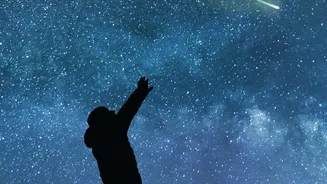
Meteor watching requires no special equipment, just your eyes and a little patience. Once you arrive at your dark-sky spot, turn off all lights and allow your eyes at least 20 to 30 minutes to fully adapt to the darkness; this is critical for spotting fainter meteors. Find a comfortable position lying on your back and look straight up, taking in as much of the sky as possible. While the meteors appear to originate from the constellation Perseus, they can streak across any part of the sky, so a wide view is best. Resist the urge to constantly check your phone, as the screen's bright light will reset your night vision. Instead, simply relax, be patient, and let the cosmic show unfold above you.