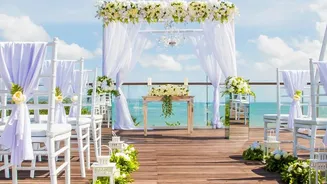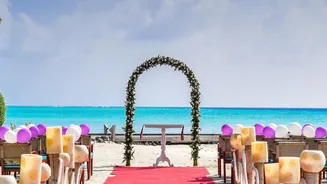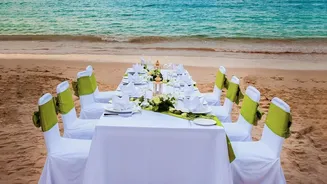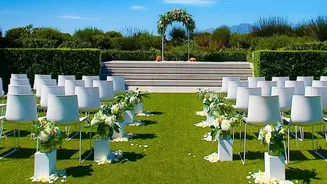





Go Beyond the Postcard Image
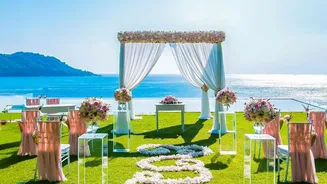
That beautiful photo of a sun-drenched beach or charming European villa that sold you on a location doesn't tell the whole story. Every destination has seasons, and understanding them is crucial. The first step is to research the historical weather patterns
for your chosen month, not just the current forecast. Look at average temperatures, rainfall data, and humidity levels. This will help you distinguish between peak season, shoulder season, and the off-season, each with its own trade-offs in terms of weather, cost, and crowds. For instance, peak season might offer the most predictable weather but comes with the highest prices and busiest resorts. A shoulder season—just before or after the peak—can provide a sweet spot of good weather and better value.
Know Your Climate: Tropics vs. Europe
Different destinations come with different weather risks. For tropical locations like the Caribbean or Mexico, the primary concern is often the Atlantic hurricane season, which runs from June to November, with the highest risk from August through October. The dry season, typically from December to April, is safer but more expensive. In Southeast Asian destinations like Thailand or Bali, you'll need to plan around the monsoon season. For European destinations, the challenges are different. In places like Italy or Greece, summer can bring intense heatwaves, making a late afternoon ceremony a wiser choice. The most pleasant weather is often found in late spring (May-June) and early autumn (September-October), which offer warm days without the peak summer heat. Winter in these areas can be mild, but many seasonal venues may close.
Create a Rock-Solid Plan B
Hoping for the best is not a strategy. A solid contingency plan is non-negotiable for any outdoor wedding. The most important question to ask any potential venue is about their indoor backup option. Before you book, ask to see photos or a video of the backup space to ensure it meets your standards for atmosphere and capacity. It should feel like a wedding venue, not an afterthought conference room. Discuss with the venue what triggers a move indoors and how the decision is made. A good plan involves clear decision timelines, for example, making the final call 24 hours in advance. For extra peace of mind, consider purchasing both travel and event insurance, which can protect your financial investment in case of severe weather events.
Prioritise Guest Comfort
Your guests have travelled a long way to celebrate with you, so their comfort should be a top priority. Extreme heat can be particularly challenging for older guests and young children. If you're planning a wedding in a hot climate, consider providing amenities like fans, parasols for shade, or chilled water bottles. For cooler evenings, having pashminas or shawls on hand is a thoughtful touch. It’s also crucial to communicate with your guests in advance. Let them know what to expect from the weather and if any parts of the wedding will be on grass or uneven terrain so they can choose appropriate footwear. Keeping them informed helps them prepare and ensures they can enjoy the day stress-free.
Work With Your Vendors
Your local vendors are your best allies in navigating weather challenges. Your wedding planner, venue coordinator, and photographer will have experience with the local climate and can offer invaluable advice. They know what works, what doesn't, and how to execute a flawless pivot if plans need to change. For example, a photographer will know the best indoor spots for portraits if it rains, and your planner can coordinate with all vendors to smoothly transition from an outdoor ceremony to an indoor one. Trust their expertise. They have likely managed dozens of events in all kinds of weather and can help you make calm, informed decisions.