







The Science of Winter Thirst
One of the biggest reasons we drink less in winter is a blunted thirst response. When you're cold, your blood vessels constrict to conserve heat and maintain your core body temperature. This process, known as vasoconstriction, tricks your brain into thinking
you are adequately hydrated. Your body's thirst signal, which is so strong in the summer, can be reduced by up to 40% in cold weather. This means you can be dehydrated long before you actually feel thirsty. By the time the craving for water kicks in, you may already be experiencing the effects of mild dehydration, such as fatigue and headaches.
Hidden Ways We Lose Water
You might not be sweating profusely, but you're still losing water. Simply breathing in cold, dry air causes your body to lose a significant amount of fluid as it works to warm and humidify the air before it reaches your lungs. Furthermore, indoor heating systems create a very dry atmosphere that pulls moisture from your skin and body. We also tend to wear heavier layers of clothing, which can cause unnoticeable sweating that wicks away into the dry air or our clothes, contributing to fluid loss without us realising it. Your kidneys may also produce more urine in the cold, a response called cold-induced diuresis, further depleting your fluid reserves.
Warm Up Your Hydration Routine
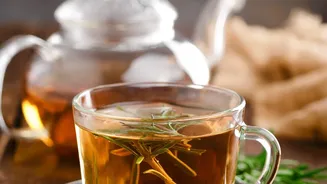
If a glass of cold water sounds unappealing when it's chilly outside, don't force it. The key is to make hydration comforting. Warm beverages are just as effective for hydration. Start your day with a glass of warm water with lemon or ginger. Throughout the day, opt for herbal teas, which come in countless flavours and are a great no-sugar option. Low-sodium broths and clear soups are another excellent choice; they provide fluids while also feeling nourishing and satisfying in the cold. These warm options can make staying hydrated feel less like a chore and more like a cosy ritual.
Eat Your Water
Don't forget that about 20–30% of your daily fluid intake comes from food. Incorporating water–rich foods into your winter diet is an easy way to boost your hydration. Winter fruits like oranges and apples are great choices. Vegetables such as cucumbers, tomatoes, and leafy greens also have high water content. Hearty winter meals can be hydrating heroes. Soups, stews, and curries are packed with fluid and can be a delicious and comforting way to contribute to your daily water goals. Even a bowl of oatmeal for breakfast adds to your fluid intake.
Make It an Intentional Habit
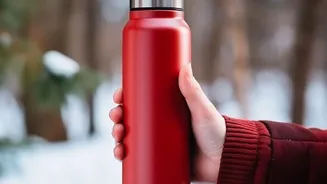
Since your natural thirst cues are less reliable in winter, you need to be more intentional about drinking. Don't wait until you feel thirsty. Make sipping water a part of your existing routines; drink a glass after every meal or each time you take a break from your computer. Keeping a reusable water bottle on your desk or in your bag serves as a constant visual reminder to drink throughout the day. If you're still struggling, use technology to your advantage. Set hourly reminders on your phone or use a hydration–tracking app to help you stay on course and meet your daily goal.