




Observing the Fast (Vrat)
Many devotees observe a fast (vrat) on Janmashtami, abstaining from grains, lentils, and certain spices. The fast is typically broken at midnight, the time of Krishna's birth. However, fasting doesn't mean you can't have delicious food. The diet, known
as 'phalahar,' includes fruits, dairy products, and specific non-grain flours. Common ingredients for vrat recipes are water chestnut flour (singhare ka atta), amaranth flour (rajgira), buckwheat flour (kuttu ka atta), and tapioca pearls (sabudana). Rock salt (sendha namak) is used for seasoning instead of regular salt.
Savoury Phalahari Delights
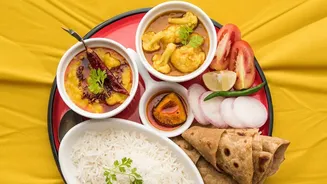
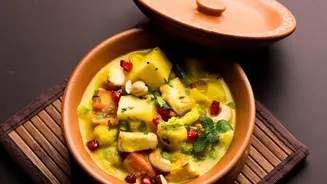
To keep energy levels up during the fast, a variety of savoury snacks are prepared. Sabudana Khichdi, a flavorful mix of tapioca pearls, potatoes, and roasted peanuts, is a popular choice. Other favourites include Sabudana Vada (deep-fried tapioca patties), Kuttu ki Puri (puffed bread made from buckwheat flour), and Vrat wale Aloo, a simple yet delicious potato curry made with tomatoes and minimal spices. These dishes are not only filling but also adhere to the strict dietary rules of the fast, making them a perfect addition to your menu.
The Main Bhog Offering
The main offering, or Bhog, for Lord Krishna is a grand affair. While some temples prepare a 'Chappan Bhog' with 56 different items, you can create a smaller, yet equally devotional, spread at home. This meal is traditionally sattvic, meaning it's purely vegetarian and prepared without onions or garlic. A typical Bhog thali might include puris, a vegetable curry like Lauki ki Sabji (bottle gourd curry) or a simple potato and tomato curry, and a dal made from ingredients permissible during the fast if you are serving it after breaking the fast. The idea is to cook with a clean heart and pure ingredients.
Divine Sweets and Desserts
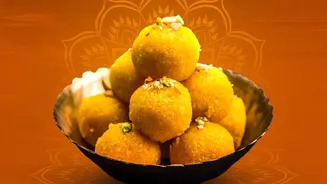
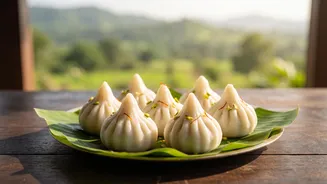
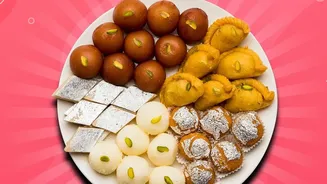
No festival is complete without sweets, and Janmashtami is no exception. Dairy-based sweets are especially significant, given Krishna's love for milk and butter. Kheer, a creamy pudding made from milk and rice (or makhana/fox nuts for a fasting version), is a staple. Other popular sweets include Peda, a soft milk fudge often made from khoya, and Malpua, sweet pancakes soaked in sugar syrup. These desserts are offered as prasad and are a sweet culmination to the festive meal.
The Essential Prasad: Panjiri and Makhan Mishri
Two items are absolutely central to the Janmashtami prasad: Panjiri and Makhan Mishri. Dhaniya Panjiri, made from roasted coriander seed powder, ghee, sugar, and dried fruits, is a unique and aromatic sweet prepared especially for this occasion. It is believed to be cooling and good for digestion after a day of fasting. Makhan Mishri, a simple blend of fresh white butter and rock sugar, is offered in honour of Krishna's childhood love for butter, which earned him the name 'Makhan Chor' (butter thief). This simple, pure offering is considered his favourite and is an indispensable part of the celebration.