



What 'Below-Normal' Actually Means
When meteorologists talk about the monsoon, they aren't just guessing. Their forecasts are based on a statistical benchmark called the Long Period Average (LPA), which is the average rainfall received during the monsoon season from June to September,
calculated over a 50-year period. The current LPA for India is 87 cm. A 'normal' monsoon is defined as rainfall that falls between 96% and 104% of this average. The recent forecast, issued by private agency Skymet Weather, predicts that 2023's monsoon rainfall will likely be around 94% of the LPA, which falls into the 'below-normal' category (90% to 95%). The official India Meteorological Department (IMD) will issue its own detailed forecast, but the early signs point towards a season with less rainfall than the country has grown accustomed to over the past few years. This seemingly small percentage dip can have significant ripple effects across the entire country.
The Prime Suspect: El Niño
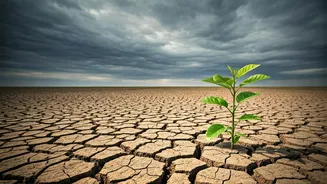
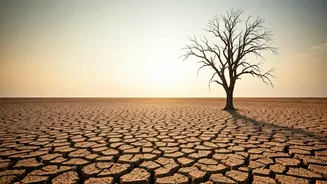
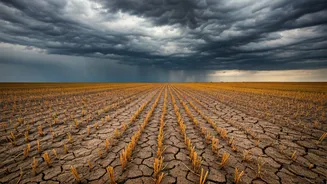
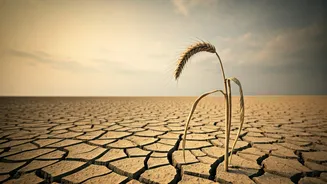
The primary reason for this pessimistic forecast is the anticipated return of El Niño. This weather phenomenon involves the unusual warming of surface waters in the eastern Pacific Ocean. While it might seem distant, El Niño has a powerful, disruptive effect on global weather patterns, and its historical correlation with weaker monsoons in India is strong. During an El Niño year, the atmospheric circulation patterns that typically bring moisture-laden winds from the Indian Ocean to the subcontinent are altered and weakened. This often results in prolonged dry spells and reduced rainfall, particularly in the latter half of the season. Forecasters have noted that the probability of an El Niño event developing during the monsoon months is now very high. Of the 15 El Niño years since 1951, India has faced 10 drought years (rainfall below 90% of LPA), highlighting the significant risk it poses to the country's rain-fed agriculture.
Impact on the Farm and the Farmer
India's agriculture sector is deeply intertwined with the fate of the monsoon. Nearly 50% of the country's net cultivated area is rain-fed, meaning it lacks access to irrigation and is entirely dependent on seasonal rains. The monsoon is particularly crucial for the Kharif (summer) crops, which include rice, pulses, and oilseeds, and are sown at the beginning of the season. A deficit in rainfall can delay sowing, stunt crop growth, and ultimately reduce yields. For millions of small and marginal farmers, a weak monsoon directly translates to lower income, increased debt, and immense financial distress. This, in turn, weakens rural demand for goods and services, creating a drag on the wider economy. While irrigation has expanded over the decades, the monsoon remains the lifeblood of Indian agriculture.
Beyond Agriculture: The Ripple Effect
The impact of a poor monsoon extends far beyond the fields. It directly affects the country's water security. The four-month-long rainy season is vital for replenishing reservoirs, which are critical for drinking water supply to cities, industrial use, and generating hydroelectric power. Lower reservoir levels can lead to water rationing in urban areas and reduced power generation. Economically, a weak monsoon can stoke inflation. Reduced agricultural output puts upward pressure on food prices, affecting the household budget of every citizen. The Reserve Bank of India (RBI) closely monitors the monsoon's progress, as food inflation can complicate its efforts to control the overall inflation rate. A significant rainfall deficit can even trim the country's overall GDP growth for the year.
Are There Any Mitigating Factors?
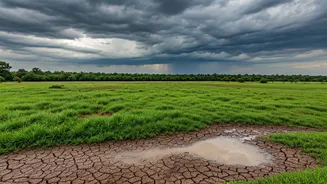
While the El Niño forecast is concerning, it doesn't guarantee a disastrous monsoon. Other factors can influence the season's outcome. One such factor is the Indian Ocean Dipole (IOD), a phenomenon sometimes called the Indian Ocean's own El Niño. A 'positive' IOD, characterized by warmer waters in the western Indian Ocean, can help counteract the negative effects of El Niño by bringing more rain to parts of India. Forecasters are watching the IOD's development closely. Furthermore, the spatial and temporal distribution of rainfall is just as important as the total amount. A few well-timed, widespread spells of rain can be more beneficial than a season that has a normal average but suffers from long dry spells. The good news is that reservoir levels across the country are currently at a comfortable position thanks to the good monsoons of the past three years, providing a buffer against initial water stress.