






So, What Exactly Is Sleep Tourism?
Forget packed itineraries and 6 a.m. alarms for excursions. Sleep tourism is a form of wellness travel where the primary goal of the trip is to improve your sleep. Instead of treating rest as the thing you do when you’re not exploring, this trend makes
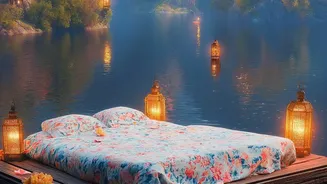
rest the main event. It’s a deliberate shift from the “see it all” mentality to a “feel it all” approach—specifically, the feeling of being genuinely recharged. Hotels and resorts are leaning into this, offering more than just high-thread-count sheets. We’sre talking entire ecosystems built for slumber: soundproofed rooms, blackout curtains, high-tech smart beds that adjust to your body, and even “sleep concierges” or coaches to guide you into a better night’s rest. It represents a redefinition of luxury, where silence, darkness, and an empty schedule are the most coveted amenities.
The Burnout Generation's New Prescription
The rise of sleep tourism isn’t happening in a vacuum. It’s a direct response to a chronically overtired and stressed-out society. Millennials, in particular, are driving this trend. As a generation that entered the workforce during economic instability and is now navigating relentless digital connectivity, the concept of a work-life balance often feels like a myth. The result is widespread burnout. Many are realizing that the old model of waiting until retirement to relax is no longer sustainable or desirable. Sleep tourism offers a kind of “nano-retirement”—a shorter, intentional break designed to reset the mind and body. It’s an acknowledgment that after years of prioritizing hustle and experiences, the most valuable experience might just be doing nothing at all, in an environment that makes deep rest possible.
Nature as the Ultimate Sleep Amenity
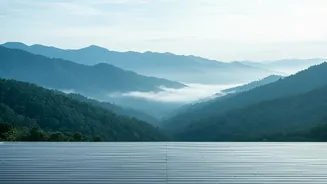
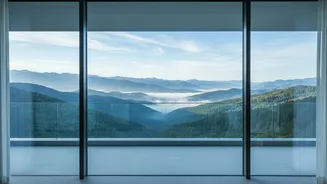
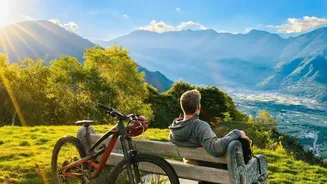
The headline’s mention of “quiet hill stations” points to a core tenet of effective sleep tourism: environment is everything. While high-tech hotel rooms are part of the equation, many are finding the most profound reset comes from escaping to nature. Secluded locations—be they mountains, forests, or quiet coastal areas—offer two things our bodies are starved of: genuine quiet and true darkness. These elements are crucial for rebalancing our circadian rhythms, the body’s internal 24-hour clock that governs our sleep-wake cycle. Our modern lives are a constant assault on this rhythm. Blue light from screens tricks our brains into thinking it’s daytime long after sunset, and ambient city noise keeps our nervous systems on low-level alert. By removing these stimuli and exposing ourselves to natural light during the day and deep darkness at night, our bodies can begin to recalibrate. It’s a low-fi solution to a high-tech problem.
Beyond a Comfy Bed: What a Sleep Vacation Involves
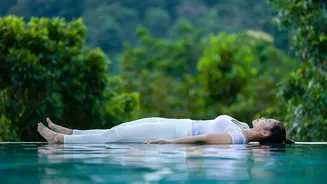
A true sleep-focused trip is more structured than just booking a quiet hotel. It often involves a holistic program designed to retrain your body and mind for rest. A sleep retreat might include a set schedule with consistent bedtimes and wake times. Days are filled with low-impact activities that support relaxation, such as hiking, yoga, and meditation. Technology often takes a backseat, with many retreats encouraging digital detoxes to free guests from the constant ping of notifications. Nutrition might also play a role, with meals designed to support, rather than disrupt, sleep cycles. Some high-end programs even offer consultations with sleep specialists, guided breathing exercises, and spa treatments specifically designed to induce calm. The goal isn't just to help you sleep well for a few nights away; it's to equip you with the habits and understanding to improve your sleep long after you’ve returned home.