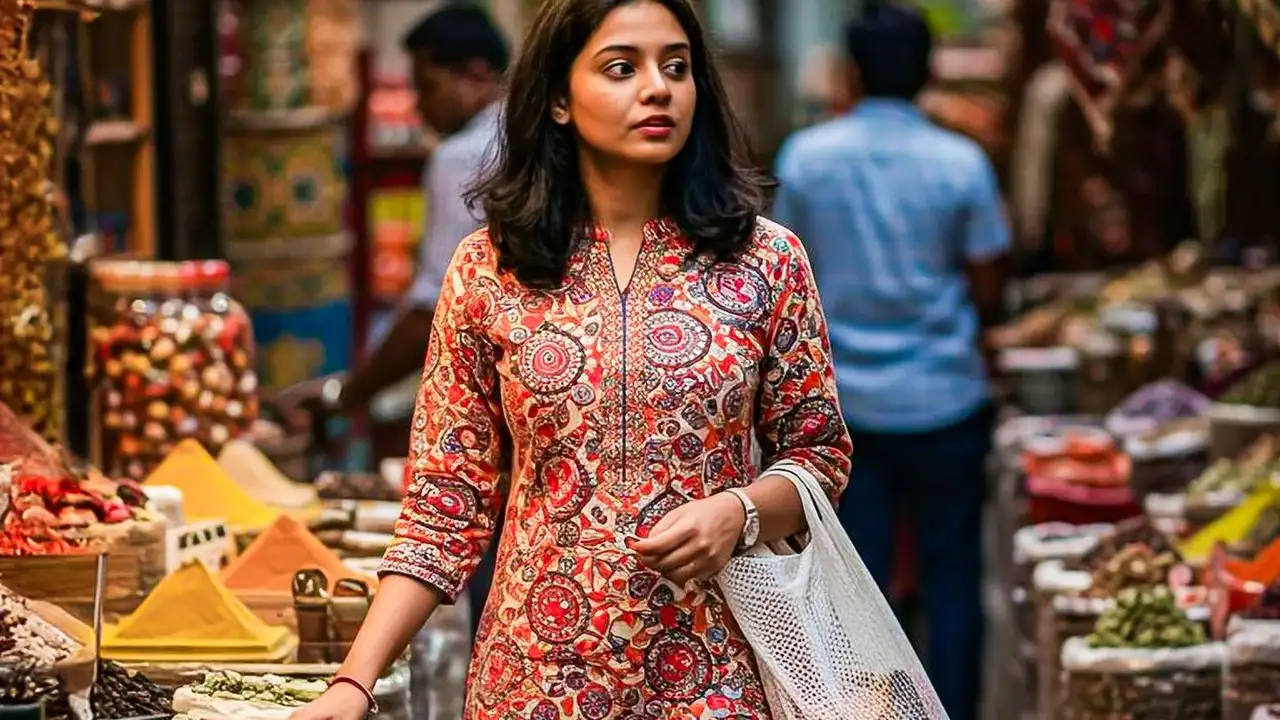








In an age of mega-malls and one-click convenience, a fascinating trend is taking hold in urban India. Shoppers are rediscovering the appeal of their local neighborhood markets. But why is this happening? The answer goes beyond simple proximity.
The Personal Touch and Trust Factor
Unlike
the anonymous experience of a large supermarket or an online portal, neighborhood hubs thrive on human connection. The local kirana store owner often knows their customers by name, remembers their preferences, and is ready with a recommendation. This long-standing relationship builds a foundation of trust that algorithms cannot replicate. Shoppers feel understood and valued, turning a simple transaction into a social interaction. This personal bond is a powerful differentiator; it fosters a sense of community and loyalty that big-box retailers struggle to create. It's the assurance that the person selling you your daily essentials has a vested interest in your satisfaction.
Curated Variety, Not Endless Aisles
While hypermarkets and e-commerce sites boast of 'endless' choice, this can often lead to decision fatigue. Local neighborhood hubs, in contrast, offer a curated selection of goods specifically tailored to the community they serve. Your neighborhood vendor knows which brands of spices are preferred locally, which snacks are popular with the area's children, and which seasonal produce will sell out. This hyper-local curation means shoppers find relevant variety without being overwhelmed. These hubs often feature unique, locally-made products, handcrafted goods, or regional specialties that are not available in mainstream chain stores, offering a unique shopping experience.
Redefining 'Value' Beyond Discounts
For the urban Indian shopper, 'value' is an increasingly complex concept that extends beyond just the lowest price. While discounts are a motivator, studies show that factors like authentic communication and consistent quality are highly prized. Local hubs deliver value in multiple ways: the convenience of buying a single item without a minimum order, the flexibility of running a tab or receiving informal credit, and the ease of immediate, no-questions-asked returns or exchanges with a familiar face. This holistic sense of value, which combines price with convenience, trust, and service, often outweighs the purely transactional benefit of a small discount online.
The Modernised Neighbourhood Store
Local hubs are not static; they are evolving to meet modern expectations. Many kirana stores and neighborhood shops have successfully blended tradition with technology. They've adopted digital payment methods like UPI, use WhatsApp to take orders and confirm stock, and offer hyperlocal delivery services. This 'phygital' model gives customers the best of both worlds: the convenience of digital interaction combined with the trust and reliability of a physical, local store. By integrating technology, these hubs are proving they can offer the speed and convenience that once seemed to be the exclusive domain of large e_commerce players, all while retaining their core strength of community connection.
A Vote for the Local Economy
There's a growing consciousness among urban consumers about the impact of their spending. A significant number of Indian shoppers now prefer to buy from homegrown and small businesses. Choosing a local market over a multinational chain is seen as a way to support small entrepreneurs, local artisans, and the community's economic well being. This sentiment, often described as 'consumer nationalism' or a 'Made in India' preference, has strengthened in recent years. For these shoppers, spending money at a neighborhood hub is not just a purchase; it's an investment in the fabric of their own community, helping to preserve local character and livelihoods.