


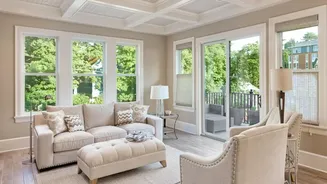

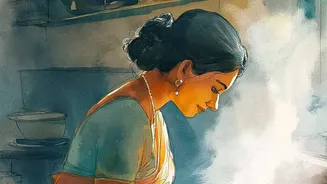
Walk into the home of a young urbanite in India today, and you might notice a shift. The perfectly matched, mass-produced furniture sets are giving way to unique, story-rich pieces that feel personal and collected. What’s driving this change?
A Rejection of Mass-Produced Uniformity
In a world
dominated by global brands and uniform aesthetics, handcrafted items offer a powerful antidote: uniqueness. Young homeowners are increasingly seeking to create spaces that reflect their individual personality and story, rather than replicating a catalogue look. This is a move away from interiors that feel assembled in one go, towards a more collected and personal style. An artisanal piece, whether it's a hand-carved wooden frame or a hand-painted ceramic vase, comes with its own narrative, imperfections, and a human touch that mass-produced items cannot replicate. This desire for authenticity is a key driver, as consumers want to own fewer, but higher-quality decorative items that hold both artistic and cultural value.
The Rise of Conscious Consumerism
Sustainability is no longer a niche concern; for many young Indians, it's a core value. There's a growing awareness of the environmental footprint of mass production, leading consumers to seek out eco-friendly alternatives. Artisanal goods are often made using natural, biodegradable, and locally sourced materials like wood, clay, jute, and bamboo. Many craft traditions inherently use sustainable practices passed down through generations. By choosing these items, consumers are not only making an environmentally sound choice but also an ethical one. They are consciously deciding to support skilled artisans and local communities, helping to preserve centuries-old craft traditions that are threatened by industrial manufacturing.
A Deeper Connection to Indian Heritage
For many urban millennials and Gen Z, who live in a globalized world, handcrafted items serve as a tangible link to their cultural roots. Traditional art forms like Madhubani from Bihar, Warli from Maharashtra, or Dhokra metal craft from Chhattisgarh are finding their way into contemporary apartments. These pieces are not just decorations; they are expressions of a rich, diverse heritage and a source of pride. They allow homeowners to blend classic Indian craftsmanship with modern aesthetics, creating spaces that feel both current and culturally rooted. This trend shows a desire to celebrate and preserve Indian artistic traditions within a modern lifestyle.
The Home as a Personal Sanctuary
The purpose of a home has evolved, especially in recent years. It's no longer just a place to live but a sanctuary for wellness and emotional comfort. Modern homeowners are looking to create spaces that feel warm, inviting, and pleasurable. The natural, tactile materials found in handcrafted goods—like wood, linen, and clay—add a sense of warmth and texture that sterile, factory-made products often lack. A handcrafted sculpture, a soft handwoven throw, or a calming piece of wall art can contribute to a home's serene atmosphere, making it a true personal retreat from the stresses of the outside world.
Digital Access to Artisanal Markets
This movement has been significantly amplified by technology. The rise of directtoconsumer (D2C) brands and online marketplaces has revolutionised how consumers discover and buy from artisans. Platforms like Instagram and Pinterest, along with specialised ecommerce stores, have made it easier than ever to connect directly with craftspeople from across the country, bypassing traditional retail intermediaries. This digital bridge allows artisans to share the stories behind their work, fostering a deeper connection with buyers who are looking for more than just a product, but a piece with a soul.