







Cleanse Gently, But Thoroughly
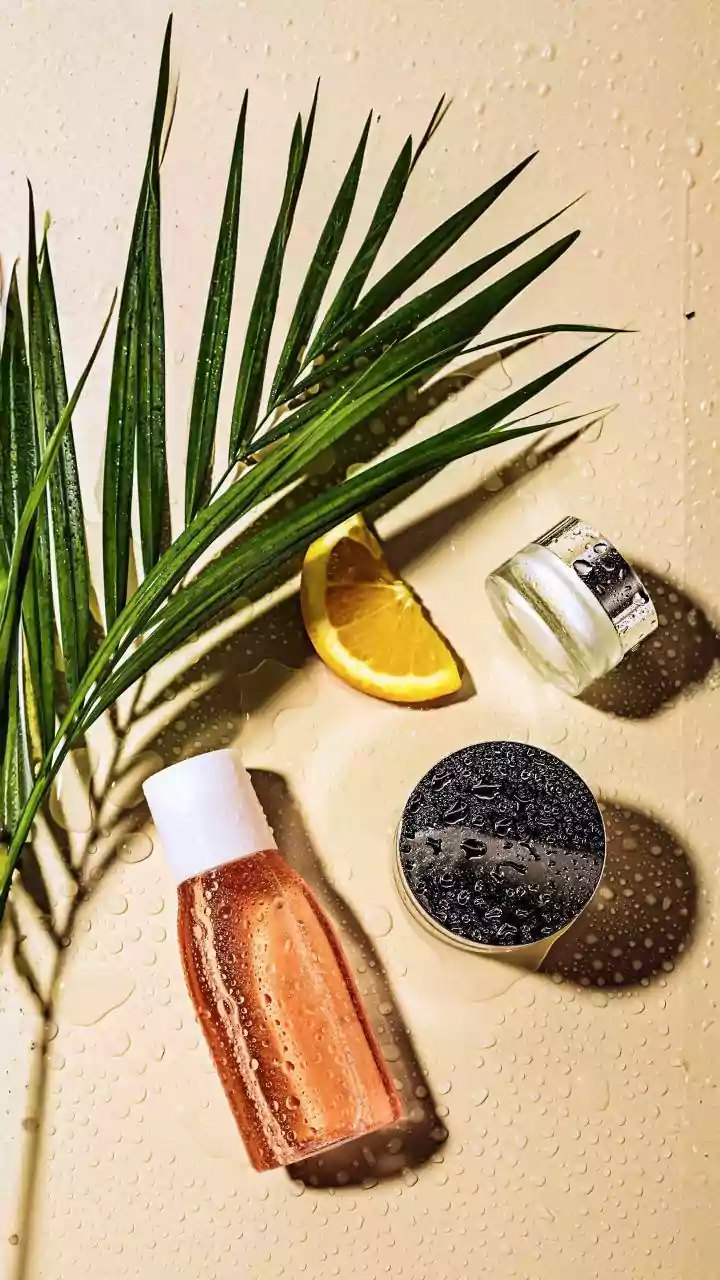
High humidity means more sweat and oil production, which can lead to clogged pores and breakouts. The key is to wash your face twice daily with a mild, pH-balanced cleanser to remove grime without stripping the skin's natural moisture barrier. Over-washing
or using harsh soaps can backfire, prompting your skin to produce even more oil. Look for gentle gel cleansers, perhaps with ingredients like salicylic acid, to keep pores clear.
Switch to a Lightweight Moisturiser
It might seem counterintuitive to moisturise when your skin feels sticky, but skipping this step is a mistake. Dehydrated skin can overcompensate by producing more oil. During the monsoon, trade your heavy creams for a lightweight, non-comedogenic, or gel-based moisturiser. Ingredients like hyaluronic acid and niacinamide are excellent for providing hydration without feeling greasy, helping to control oil and strengthen the skin barrier.
Don't Skip Sunscreen on Cloudy Days
Even when it's overcast, harmful UV rays penetrate the clouds and can damage your skin. Sunscreen is a non-negotiable step every single morning. For the rainy season, opt for a broad-spectrum SPF 30 or higher with a lightweight, matte, or gel-based formula that won't feel heavy or slide off with sweat. A waterproof sunscreen can provide extra peace of mind on particularly damp days.
Keep Your Scalp Clean and Dry
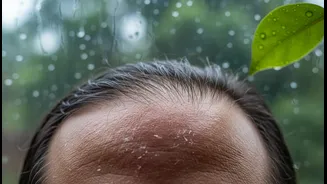
Your scalp is particularly vulnerable during the monsoon. The constant dampness creates a perfect breeding ground for fungal infections, dandruff, and itchiness. It's important to wash your hair two to three times a week with a mild shampoo to prevent the buildup of oil and pollutants from rainwater. Most importantly, never leave your hair wet for long periods. Avoid tying up damp hair and, if you get caught in the rain, make sure to dry your scalp thoroughly as soon as possible.
Tame Frizz with Smart Techniques
Frizzy hair is the most common monsoon complaint. Humidity causes the hair's outer layer, the cuticle, to lift as it absorbs moisture from the air, resulting in frizz. To combat this, apply an anti-frizz serum or a lightweight leave-in conditioner to damp hair to seal the cuticle and block humidity. Avoid heavy oils which can weigh hair down and make the scalp greasy. Instead of vigorous rubbing with a regular towel, gently squeeze excess water from your hair using a microfiber towel or an old cotton t-shirt to reduce friction and frizz.
Prevent Fungal Infections Proactively
Moisture gets trapped in skin folds, making areas like the underarms, groin, and spaces between your toes highly susceptible to fungal infections like ringworm. The most effective habit for prevention is to stay dry. Change out of damp clothes, especially after sweating or getting rained on, as quickly as possible. Wearing loose, breathable cotton clothing helps with air circulation. After bathing, thoroughly dry your entire body and consider using an antifungal powder in sweat-prone areas as a preventive measure.