

The Undeniable Pull of Lower Running Costs
The single biggest reason for CNG's ascent is simple economics. With petrol prices frequently hovering above ₹100 per litre in major cities, the cost of running a car has become a primary concern for millions. CNG offers a compelling solution. As of late
2026, the running cost for a CNG car can be as low as ₹2.62 per kilometre, compared to roughly ₹6.31 for a petrol equivalent. For a driver covering 1,500 kilometres a month, this translates into potential savings of nearly ₹5,000. This substantial difference in operational expense makes the higher initial cost of a CNG variant, typically ₹75,000 to ₹1 lakh more than its petrol counterpart, feel like a worthy investment that can be recovered in just a couple of years. It is this wallet-friendly appeal that has resonated most strongly with price-conscious Indian consumers.
Government Policy and Expanding Infrastructure
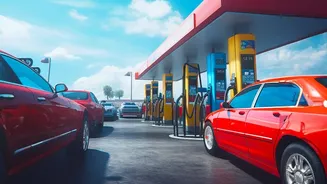
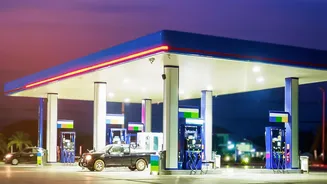
The government has played a crucial role in creating a favourable ecosystem for CNG. As part of a broader strategy to increase the share of natural gas in India's energy mix to 15% by 2030, there has been a significant push to expand the City Gas Distribution (CGD) network. The number of CNG refuelling stations across the country has grown exponentially, from just over 700 in 2014 to nearly 8,000 by mid-2025, with a target of over 18,000 by 2032. This rapid expansion has helped alleviate one of the biggest historical barriers to CNG adoption: range anxiety and the inconvenience of finding a pump. Furthermore, government initiatives like the GOBARdhan scheme are promoting the production of Bio-CNG, which will be blended into the existing supply, enhancing energy security and supporting the rural economy.
Automakers Embrace Factory-Fitted Reliability
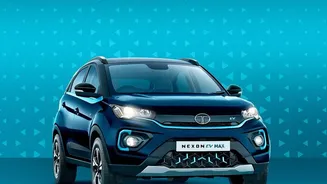
For years, CNG was associated with aftermarket kits that often voided warranties and raised safety concerns. The game changed when leading manufacturers like Maruti Suzuki, Tata Motors, and Hyundai began offering factory-fitted CNG options. Maruti Suzuki, in particular, has dominated this space, commanding nearly 70% of the CNG market share by dispatching over 73,000 CNG cars in August 2026 alone. These company-endorsed models come with full warranty support, optimized engine tuning, and safer, more integrated cylinder placements. Tata Motors has innovated with a twin-cylinder technology that frees up usable boot space, addressing a major practical drawback of traditional CNG conversions. This shift by original equipment manufacturers (OEMs) has significantly boosted consumer confidence and made CNG a reliable and hassle-free choice straight from the showroom.
The Decline of Diesel and the EV Question
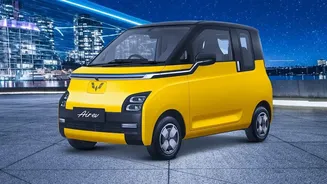
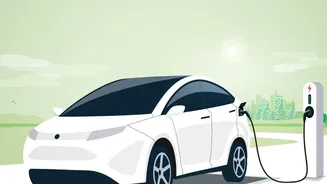
CNG's rise hasn't happened in a vacuum. It has directly benefited from the steep decline of diesel-powered passenger cars. Stricter emission norms (like BS6), the narrowing price gap between diesel and petrol, and regulatory bans on older diesel vehicles in key areas like Delhi have made them a less attractive proposition. In the fiscal year 2026, CNG's market share grew to nearly 22%, widening its lead over diesel, which fell to just over 18%. At the same time, while electric vehicles (EVs) are the ultimate goal for clean mobility, their high upfront cost and the time required to build a pervasive charging infrastructure mean they are not yet a viable option for a majority of buyers. CNG has effectively positioned itself as the perfect transitional fuel—cleaner than petrol and diesel, yet more affordable and practical than EVs for the current moment.
Acknowledging the Compromises
Despite its popularity, CNG is not without its trade-offs. Owners often report a noticeable drop in engine performance and acceleration when running on gas compared to petrol. The large cylinder still compromises boot space in many models, a significant factor for families and those who travel with luggage. And while the network has grown, long queues at CNG stations, especially in smaller towns or during peak hours, can be a frustrating reality. These compromises, however, have not been significant enough to deter a growing number of buyers who see the economic benefits as far outweighing the practical inconveniences.