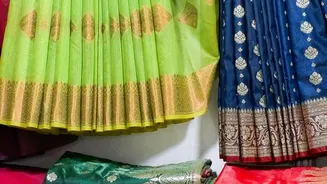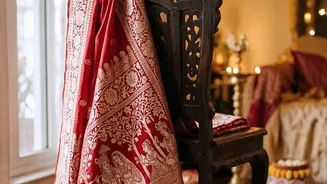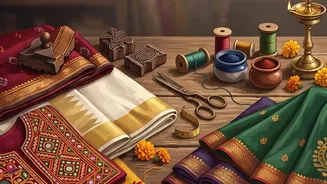

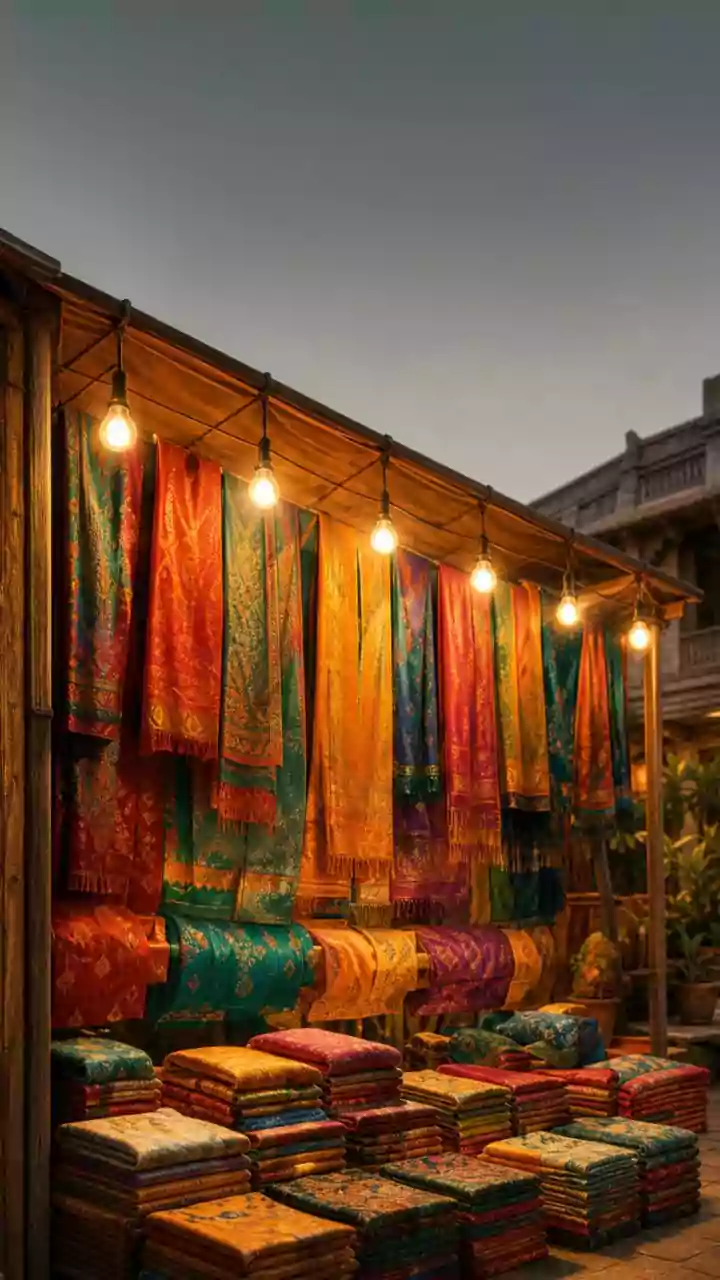



A sari is never just a piece of cloth. It’s a repository of memories, a marker of milestones. But what happens when it frays or fades? Across India, a quiet, beautiful revolution of craft gives these garments a second life.
More Than Recycling, It's Rebirth
In many Indian households, the
act of repurposing old textiles is a tradition rooted in thrift and sentiment. It's a practice of sustainable living that predates modern environmentalism. Instead of being discarded, worn-out cotton and silk saris are carefully collected, their vibrant colours and soft textures seen not as waste, but as raw material for a new beginning. This transformation is more than simple recycling; it’s a cultural rebirth. Each sari, having absorbed the stories of its wearer, is layered and stitched, weaving personal history into a new object of comfort and beauty that will continue its journey within the family. This tradition is a powerful antidote to the fast fashion industry, which is a significant source of global pollution and waste.
The Narrative Stitches of Kantha
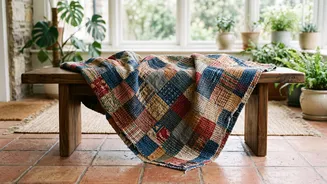
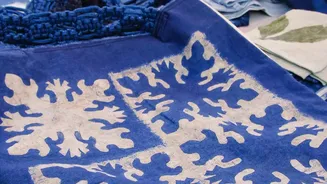
One of the most renowned crafts for upcycling saris is Kantha, originating from the Bengal region. The word 'kantha' itself can mean 'rags', a nod to its humble origins. The process involves layering several old saris—typically three to four—and stitching them together with a simple running stitch. The thread itself was traditionally pulled from the colourful borders of the old saris. Women in rural Bengal would create these quilts for their families, with the stitching patterns ranging from simple, parallel lines to intricate embroidered motifs depicting flowers, animals, or elaborate scenes from folklore and daily life. This turns the quilt into a narrative textile, a soft canvas that tells a story through its threads and preserved patterns.
The Layered Comfort of Gudri
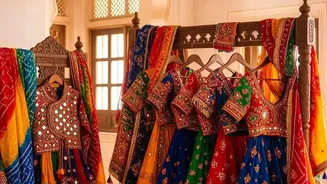
Similar to Kantha, Gudri (also known as Godhadi) is a quilting tradition popular in regions like Maharashtra, Gujarat, and Rajasthan. It also involves stitching together layers of old garments, including saris and dupattas, to create thick, warm quilts. While both crafts use a running stitch, Gudri quilts made by communities like the Kalbelia tribe in Rajasthan often feature unique motifs and can be embellished with mirrors. These layered textiles are deeply embedded in community life, often made collectively by women of the household, their creation a time for bonding and sharing stories. The resulting quilts are not only functional but also serve as tangible memories of family and togetherness.
From Scraps to Sturdy Rugs
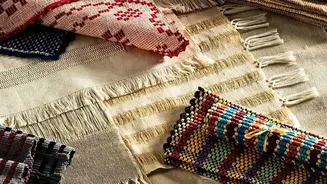
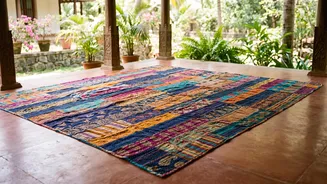
Not all sari material is destined to become a soft quilt. Smaller scraps and torn pieces of fabric, known as 'chindi', find new purpose on the loom. In Hindi, 'chindi' literally means 'torn cloth' or 'scraps'. Artisans collect these fabric remnants, sort them by colour, and weave them into vibrant, durable rugs called dhurries. This hand-weaving process creates a kaleidoscope of colour and texture, making each chindi rug entirely unique. The technique is a brilliant example of a zero-waste philosophy, ensuring every last piece of a cherished garment is put to good use. These colourful rugs bring a cheerful, bohemian aesthetic to homes while embodying a powerful story of resourcefulness.
Empowering Hands and Preserving Heritage
Beyond the environmental benefits, these textile crafts are a vital source of livelihood, particularly for women in rural and underserved communities. Organizations and social enterprises partner with artisans to provide fair wages, training, and a global market for their handcrafted goods. This economic empowerment allows women to become stakeholders in their craft, fostering financial independence and community development. By choosing a handmade Kantha quilt or a chindi rug, consumers are not just buying a beautiful home accessory; they are supporting the preservation of cultural heritage and contributing to a more equitable and sustainable economy. It's a conscious choice that honours the artisan, the planet, and the incredible journey of a sari's second life.