


An Event, Not Just a Season
If you’ve noticed that the excitement around mangos feels different lately, you’re not wrong. For a growing number of Americans, mango season is no longer a passive availability of a tropical fruit; it’s an active, anticipated event. It’s the seasonal
drop that rivals the return of pumpkin spice lattes but feels infinitely more organic and authentic. The end of the season brings a collective, low-key mourning period on social media and in community group chats, a testament to how deeply the fruit has embedded itself in the American culinary consciousness. This isn't just about a sweet treat; it’s about a phenomenon that has been years in the making, fueled by better fruit, cultural pride, and the amplifying power of the internet.
The Game-Changing Mango
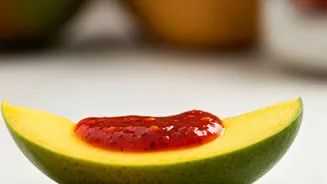
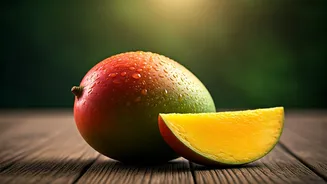
For decades, the primary mango available to many Americans was the Tommy Atkins—a beautiful, blemish-free, red-and-green orb that was sturdy enough for cross-continental shipping. The problem? It was often fibrous, bland, and a pale imitation of what a mango should be. The recent explosion in mango buzz is largely thanks to the wider availability of superior varieties. Enter the Ataulfo (often marketed as the Honey mango), a small, kidney-bean-shaped, golden-yellow fruit from Mexico. With its buttery, non-fibrous flesh and intensely sweet, complex flavor, the Ataulfo showed Americans what they had been missing. Its arrival in mainstream supermarkets was a game-changer, converting skeptics and creating a legion of devotees who now wait for its arrival each spring.
A Taste of Home and Heritage
A huge part of the mango’s cultural ascent is its deep significance in diaspora communities. For millions of Americans with roots in South Asia, Latin America, the Caribbean, and the Philippines, the mango is not just a fruit—it's a powerful symbol of home, family, and celebration. It’s the flavor of childhood summers, the centerpiece of desserts, pickles, and drinks, and a nostalgic link to a homeland they or their parents left behind. The annual hunt for the perfect case of mangos (Kents from Peru, Alphonsos from India if you can find them, Keitts from here at home) is a ritual. The buzz we're seeing now is partly the result of these communities sharing their deep-seated love for the fruit with a wider American audience, who are in turn embracing it with enthusiasm.
Amplified by the Algorithm
Of course, no modern food trend explodes without a little help from social media. The mango is incredibly photogenic, and the ritual of eating one is a sensory experience that’s perfect for platforms like TikTok and Instagram. Videos showcasing the “right” way to cut a mango have gone viral, racking up millions of views. Others feature the pure, unadulterated joy of someone biting into a perfectly ripe, juicy fruit, its nectar dripping down their chin. These aren't polished ads; they're authentic, relatable moments of bliss that act as powerful, word-of-mouth endorsements. This digital amplification has introduced the mango craze to a new generation, solidifying its status as a bona fide pop culture phenomenon, not just a grocery item.