



The Classic We All Know
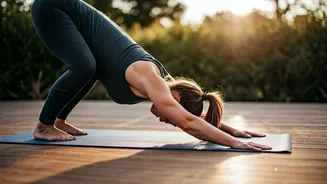
Downward-Facing Dog, or Adho Mukha Svanasana, is one of yoga's most recognizable poses for good reason. [17, 19] It’s a full-body experience, celebrated for its ability to stretch the hamstrings and calves, strengthen the arms and shoulders, and lengthen
the spine. [18, 19] Functioning as both a transitional pose and a resting one, it forms an inverted 'V' shape with the body, encouraging blood flow to the brain and helping to relieve tension. [15, 18] When done correctly, this foundational pose can energize the body, calm the mind, and even help alleviate issues like back pain and fatigue. [1, 20] It’s a powerful check-in for your entire frame, highlighting areas of tightness and building functional strength. [20, 15]
Are You Making These Common Mistakes?
Despite its popularity, many people don't reap the full rewards of Downward Dog due to common alignment errors. One frequent issue is rounding the back instead of keeping the spine long. [1, 6] To fix this, it’s helpful to bend your knees generously, which allows your hips to lift higher and your spine to lengthen. [6] Another mistake is putting too much pressure on the wrists by having incorrect hand placement or tenting the fingers. [1, 6] Your hands should be shoulder-width apart, with fingers spread wide and weight distributed evenly across the palms. [1, 4] Many also focus too much on forcing their heels to the ground, which can compromise the overall posture; it's perfectly fine if they don't touch, especially when you're starting out. [3] Lastly, avoid letting your shoulders bunch up around your ears; actively draw them back and away to create space and prevent strain. [4, 6]
The 'Revived' Approach: Add Dynamic Movement
The key to revitalizing your Downward Dog is to transform it from a static hold into a dynamic stretch. The simplest way to do this is by “pedaling” your feet, also known as “walking the dog.” [25] This involves alternately bending one knee while pressing the opposite heel toward the mat, then switching sides in a slow, controlled rhythm. [2, 23] This simple movement brings new life to the pose. It allows for a deeper, more targeted stretch in the calves and hamstrings of the straight leg, warming them up more effectively than a static hold. [2, 22] This dynamic approach encourages greater mobility in the hips and helps you connect more deeply with your breath as you move, making the entire pose feel more active and restorative.
How to 'Walk Your Dog'
Begin in a traditional Downward-Facing Dog, starting on all fours and then lifting your hips up and back. [19] Spread your fingers wide and press firmly through your palms. [8] Once you feel stable, inhale. As you exhale, bend your right knee deeply and simultaneously press your left heel down toward the floor, feeling the stretch along the back of your left leg. [23] Hold for a breath. On your next inhale, come back to center with both knees slightly bent. [23] As you exhale again, bend your left knee and press your right heel toward the floor. [23] Continue this pedaling motion for 5-10 breaths on each side, moving with intention. Keep your core engaged and your spine long throughout the movement. [22]
Level Up: The Three-Legged Dog
Once you feel comfortable with pedaling, you can advance to the Three-Legged Downward Dog (Tri Pada Adho Mukha Svanasana). [11] From your standard Downward Dog, ensure your weight is evenly distributed. On an inhale, lift one leg straight back and up toward the ceiling. [7, 12] Aim to keep your hips square to the mat at first, which helps maintain stability and focuses the stretch on the hamstring of the standing leg. [9] Keep the lifted leg active, either pointing the toes or flexing the foot. [7] This variation deepens the stretch in the standing leg, further challenges your upper body strength, and improves your balance. [8, 9] Hold for a few breaths before lowering the leg and repeating on the other side. [8]
A Truly Whole-Frame Experience
By incorporating these simple, dynamic variations, you transform a familiar yoga pose into a comprehensive tool for full-body revitalization. The pedaling motion actively warms up and stretches the entire posterior chain, from your calves and Achilles tendons to your hamstrings and glutes. [18, 25] The Three-Legged variation builds significant strength in your shoulders, arms, and core while intensely opening the hips and further lengthening the standing leg. [9, 14] Together, these revived approaches help decompress the spine, improve circulation, and build a greater awareness of your body's alignment and imbalances. [15, 18] It’s no longer just a static stretch but an active process of creating space, strength, and fluidity throughout your entire frame.