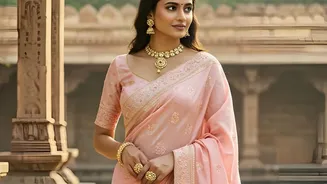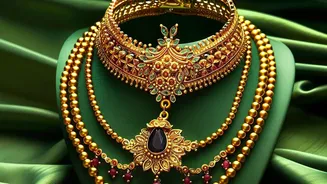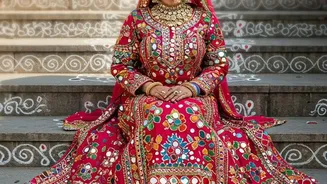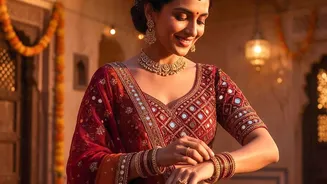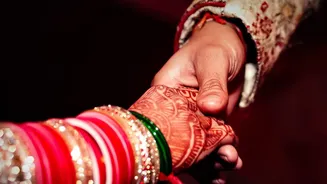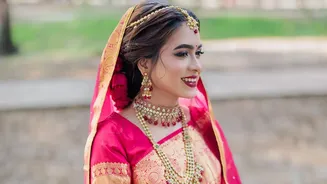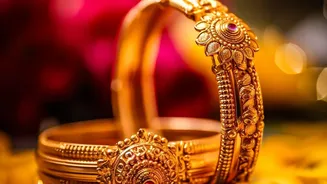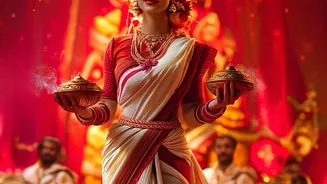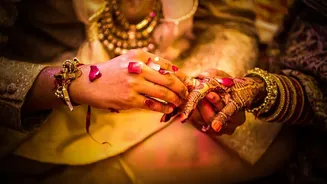



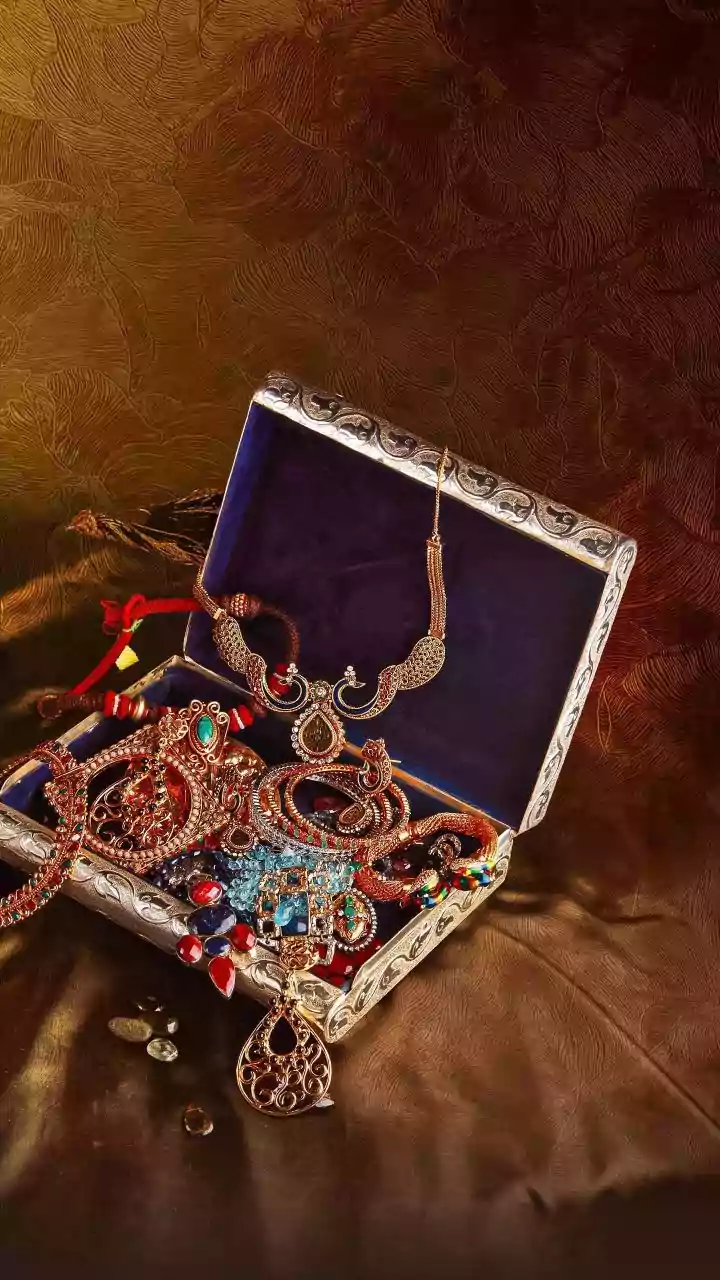

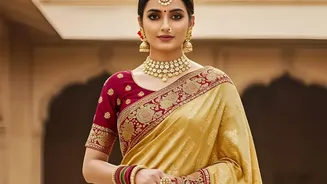
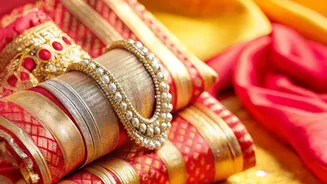

An Indian bride adorned in gold is a timeless image of prosperity and joy. But beyond the dazzling display lies a tradition steeped in layers of meaning. Gold is not merely an accessory; it is a complex symbol of security, legacy, and devotion.
A Woman’s Financial Bedrock
First and
foremost, bridal gold is a form of financial security. This concept is deeply rooted in the tradition of 'Stridhan', which translates to 'woman's wealth'. Legally recognized under the Hindu Succession Act of 1956, any gold and other assets gifted to a woman before, during, or after her marriage are considered her absolute property. The husband and his family are merely custodians; they have no legal claim over it. This tradition empowers a woman with a tangible, liquid asset that is hers alone, providing a safety net in times of financial hardship or marital distress. Historically, it was one of the few ways women could hold independent wealth. Estimates suggest that Indian households collectively hold over 21,000 tonnes of gold, a significant portion of which is owned by women in the form of jewellery.
The Weight of Blessings and Status
Gold is inextricably linked with blessings and prosperity in Indian culture. It is a symbol of the Hindu Goddess Lakshmi, who represents wealth and good fortune. Gifting gold during a wedding is seen as bestowing blessings for a prosperous and happy future upon the new couple. The amount of gold also often reflects the family's social standing and wealth, serving as a public statement of their status. Half of India's annual gold demand is reportedly for weddings, where the metal's purity and incorruptibility are seen as symbols of the sanctity of marriage. Its radiant glow is believed to be auspicious, bringing luck and positive energy to the bride as she begins her new life.
An Heirloom Connecting Generations
Beyond its financial and social dimensions, gold jewellery serves as a powerful emotional link between generations. Many brides wear pieces that belonged to their mothers or grandmothers, carrying a family's history and stories into their new life. These heirlooms are treasured not just for their material value but for their sentimental worth, representing a continuous thread of love, support, and heritage. The act of passing down jewellery is a deeply symbolic gesture, a transfer of legacy from one generation of women to the next. Even when new pieces are purchased, designs are often chosen for their timeless appeal, with the intention that they too will become future heirlooms.
Sacred, Pure, and Divine
In Hindu philosophy, gold is considered a 'sattvic' metal, meaning it embodies qualities of goodness, purity, and positivity. Its incorruptible nature—it does not rust or tarnish—makes it a powerful symbol of permanence and truth. Associated with the sun, it is believed to channel divine energy. Scriptures and ancient traditions suggest wearing gold on the upper parts of the body to harness this positive energy. Its sacred status makes it an integral part of religious rituals, where it is offered to deities and used to sanctify ceremonies. This spiritual significance elevates bridal jewellery from mere adornment to a collection of sacred talismans.
Modern Brides, Evolving Traditions
While the core significance of gold remains unchanged, modern brides are reinterpreting traditions to reflect their personal style. There's a growing trend towards lighter, more versatile, and wearable pieces that can be enjoyed long after the wedding day. Many now opt for modular sets where a heavy necklace can be detached to create a simpler choker, or blend traditional motifs like temple carvings with contemporary designs. Customisation is also popular, with brides engraving initials or meaningful symbols into their jewellery. This evolution shows that while the deep_rooted cultural value of gold endures, its expression is becoming more individualised, blending heritage with a modern aesthetic.