






The New Era of Recovery
The fitness world is embracing a more intelligent approach to training, where recovery is considered just as crucial as the workout itself. The old 'no pain, no gain' mantra is being replaced by a focus on longevity and sustainable performance. This has
led to a surge in popularity for active recovery techniques—low-intensity movements performed after a strenuous workout. The goal is to help the body heal faster, reduce soreness, and prevent injuries, allowing you to return to your next session stronger. Active recovery helps to keep blood flowing, which delivers oxygen and nutrients to tired muscles and helps flush out metabolic waste products like lactic acid that contribute to soreness and fatigue.
The Aquatic Advantage: Swimming
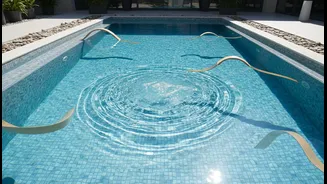
Swimming is emerging as a star player in the active recovery game. When you're in the water, the principle of buoyancy supports your body weight, giving your joints and muscles a much-needed break from high-impact stress. This near-weightless environment allows for gentle movement that can soothe soreness without strain. Furthermore, the water provides something called hydrostatic pressure. This is a gentle, consistent pressure on your entire body that acts like a full-body compression garment, helping to reduce swelling, improve circulation, and move excess fluid away from inflamed muscles. This enhanced blood flow speeds up the body’s natural repair processes.
Your Recovery Swim Session
A recovery swim shouldn't be a grueling workout. The focus is on light, continuous movement. Aim for a 20- to 30-minute session. Start with a few slow laps of a stroke you're comfortable with, like freestyle or backstroke. The backstroke can be particularly beneficial for stretching out the back muscles. You can incorporate a kickboard for a few laps to focus solely on your legs, or a pull buoy to isolate your upper body. The key is to keep your heart rate low and your movements fluid and relaxed. The cool temperature of the water can also help reduce inflammation, while the rhythmic nature of swimming can have a meditative effect, lowering stress.
Unlocking Your Body with Mobility Drills
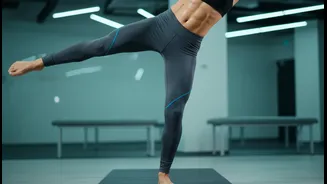
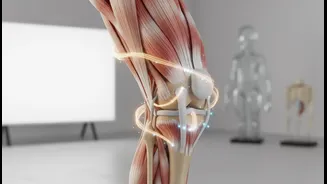
Alongside swimming, mobility drills are the other half of this recovery power duo. Unlike static stretching, where you hold a position, mobility drills involve actively moving your joints through their full range of motion. This is a form of dynamic stretching that not only improves flexibility but also enhances joint health, reduces stiffness, and restores proper movement patterns after they've been taxed by exercise. By focusing on movement, you increase blood flow to the joints and surrounding tissues, lubricating them and helping to prevent the tightness that can lead to injury.
Essential Post-Workout Mobility Drills
You don't need a complicated routine. A few targeted drills can make a world of difference. Try incorporating these after your cool-down: Cat-Cow: On your hands and knees, alternate between arching your back toward the ceiling (cat) and dropping your belly toward the floor (cow). This is excellent for spinal mobility. World's Greatest Stretch: From a lunge position, place one hand on the floor and rotate your torso, reaching the other arm to the sky. This targets hips, hamstrings, and the thoracic spine. Hip Circles: Standing or on all fours, make large, slow circles with your knee to open up the hip joint in all directions. Shoulder CARs (Controlled Articular Rotations): Keeping your arm straight, slowly rotate it in the largest circle you can manage without pain, keeping the rest of your body still. Perform each movement for 5-10 controlled repetitions.