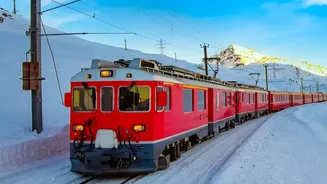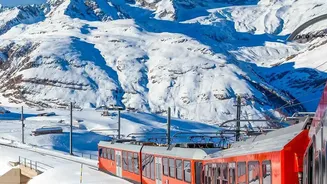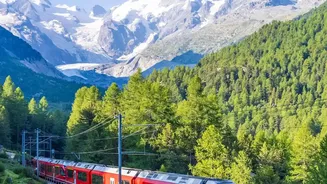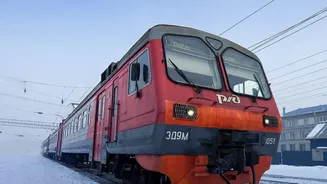



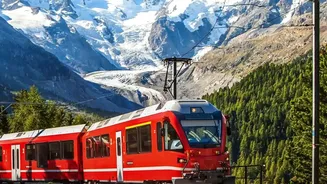
The Iconic Kalka-Shimla Railway
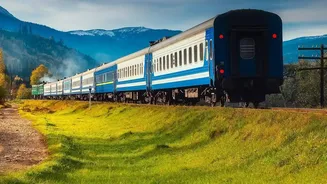
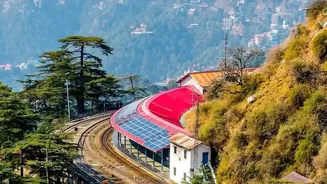
A journey on the Kalka-Shimla Railway is like travelling back in time. This UNESCO World Heritage narrow-gauge line, often called the 'toy train', offers one of India's most cherished winter experiences. The train slowly winds its way through over 100
tunnels and across 800 bridges, climbing from Kalka into the snow-dusted Shivalik hills. During peak winter, from late December through February, the route transforms into a magical wonderland with pine forests and quaint colonial-era stations blanketed in white. The journey itself, taking about five to six hours, is the main attraction, offering breathtaking views that are perfect for photographers and slow-travel enthusiasts. Mountain Transfer: The Kalka-Shimla train takes you directly to the Shimla railway station. From here, reaching your hotel or specific sights around the 'Queen of Hills' requires another leg of travel. The station is located a short distance from the main town, and you can hire local taxis which are readily available. For hotels located further out or to explore areas like Kufri, pre-booking a cab is a wise decision, especially during the peak tourist season when demand is high. The drive from the station is short but can be steep.
The Darjeeling Himalayan Railway
Another UNESCO World Heritage site, the Darjeeling 'toy train', provides a nostalgic ride with the mighty Kanchenjunga as its backdrop. The full journey starts at New Jalpaiguri (NJP) in the plains and chugs its way up to Darjeeling over about seven hours. The route passes through dense forests, vibrant villages, and world-famous tea gardens shrouded in winter mist. While heavy snowfall in Darjeeling town is less common, the higher altitudes and surrounding peaks are often snow-capped, offering clear, crisp views in the winter months. A popular option for tourists is the shorter 'Joy Ride' from Darjeeling to Ghum station, which includes the famous Batasia Loop, a marvel of railway engineering with panoramic views. Mountain Transfer: The main railway hub is New Jalpaiguri (NJP). From NJP, you can take the toy train itself, but most travellers opt for a faster road transfer to Darjeeling, which takes about three hours by taxi or shared jeep. If you take the train to Darjeeling station, you will still need a local taxi to get to your hotel, as they are often spread across the hillside. Planning this final connection is key for a smooth arrival.
The Journey to Kashmir Valley
For a true winter wonderland experience, Kashmir is unparalleled. Reaching the valley by train has become a scenic adventure in itself. The journey typically involves taking a long-distance train to a major station like Jammu Tawi. From there, the crucial mountain transfer begins. Until recently, this meant a long road journey. However, the new Udhampur-Srinagar-Baramulla Rail Link (USBRL) has changed the game. Travellers can now board a train, including the Vande Bharat Express, from Jammu Tawi or Katra directly to Srinagar, crossing the remarkable Chenab Bridge, the world's highest railway bridge. This train ride within the valley offers postcard-perfect views of snow-covered landscapes, frozen rivers, and charming towns. Mountain Transfer: This route is the perfect example of a major transfer being necessary. After arriving at Jammu Tawi, you connect to the train heading into the Kashmir Valley. Once you reach Srinagar station, a final transfer by taxi is needed to get to your hotel or onward to destinations like Gulmarg or Pahalgam. The drive from Srinagar to the ski resort of Gulmarg takes about 1.5 to 2 hours. During heavy snow, vehicles with chains on their wheels might be required for the last stretch from Tangmarg to Gulmarg.
Tips for a Smooth Mountain Transfer
The final leg of your journey, after the train ride, is just as important as the journey itself. Firstly, always try to pre-book your taxi, especially if you are arriving late in the evening or during peak season. This helps you avoid haggling over prices and ensures a vehicle is waiting for you. For journeys like Jammu to Srinagar, you can choose between private taxis for comfort or shared taxis for a more budget-friendly option. Secondly, check the weather and road conditions for your transfer route. In winter, heavy snowfall can cause road closures or delays, particularly on high-altitude passes. It’s wise to build a buffer day into your itinerary. Finally, travel light if possible, or ensure your driver has adequate space for luggage. Winding mountain roads can be challenging, and an experienced local driver is your best bet for a safe and efficient transfer.