






Step 1: Assess and Clean Up
Before you can rebuild, you must take stock. The first task is a thorough clean-up of debris left by the rains. Remove fallen leaves, broken branches, and any dead or dying plants, as these can harbour pests and fungal diseases. Inspect your garden for signs
of waterlogging, soil erosion, and plant distress. Gently loosen the topsoil in pots and beds where it has become compacted by the force of the rain. This initial assessment will help you understand what your garden needs most to recover and thrive.
Step 2: Revitalise Your Soil
Monsoon rains can wash away essential nutrients from the soil, leaving it depleted. September is the perfect time to replenish this goodness. Enrich your soil by mixing in well-rotted compost, vermicompost, or aged cow dung manure. This not only adds vital nutrients but also improves soil structure and drainage, which is crucial for preventing root rot in the cooler months. For container gardens, you can replace the top few inches of soil with a fresh, nutrient-rich potting mix. Good soil is the foundation of a healthy garden, so this step is non-negotiable for a successful winter harvest.
Step 3: Manage Pests and Diseases
The high humidity of the monsoon season creates a breeding ground for pests like aphids, whiteflies, slugs, and snails, as well as fungal infections like powdery mildew. Before starting new plantings, it's important to manage any existing issues. Prune away any infected parts of surviving plants to improve air circulation and prevent diseases from spreading. A simple, organic solution like a weekly spray of neem oil mixed with a little liquid soap can help control a wide range of soft-bodied insects and fungal problems naturally. Placing yellow sticky traps can also help monitor and reduce populations of flying pests like whiteflies and aphids.
Step 4: Sow Your Winter Vegetables
With the soil prepared, it’s time for the exciting part: planting. September is the ideal month to sow seeds for a variety of cool-season vegetables that will flourish in India's winter. For a continuous supply of fresh produce, consider planting leafy greens like spinach (palak), lettuce, and coriander (dhania). This is also the perfect time to sow root vegetables such as carrots (gajar), radishes (mooli), and beetroot (chukandar). For those who enjoy winter staples, seeds of cauliflower (phool gobhi), cabbage (patta gobhi), broccoli, and peas (matar) can be started now. Radishes are particularly rewarding as they can be ready for harvest in as little as a month.
Step 5: Plant Flowers for Winter Colour
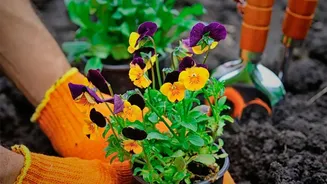
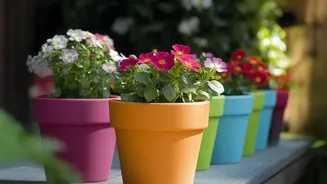
A garden isn’t just for vegetables. September sowings can lead to a spectacular floral display through the winter. This is the prime time to plant seeds for many beloved winter flowers. Marigolds (genda), a festive favourite, are easy to grow and will bloom profusely. For vibrant colours in beds and pots, consider sowing pansies, petunias, calendula (pot marigold), and dianthus. If you have space for climbers, the sweet fragrance of sweet peas makes them a wonderful choice. Sowing these now allows the plants to establish strong roots before the cooler weather sets in, promising a garden full of colour and life.