




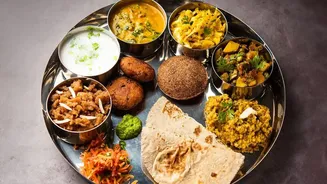
A Cuisine Born from Scarcity
To understand Rajasthani food, you must first understand its landscape. The arid climate and historical scarcity of fresh water and green vegetables shaped a resilient and inventive culinary tradition. Cooks learned to create magic with ingredients that
could withstand the harsh desert conditions: lentils, beans, dried berries like ker, gram flour (besan), and an abundance of milk, buttermilk, and ghee. This foundation led to a cuisine that is robust, flavourful, and deeply satisfying. While the warrior Rajput clans were known for their game meat dishes, a significant portion of the population, including the influential Marwari, Jain, and Bishnoi communities, practiced strict vegetarianism. This created a parallel culinary world that elevated vegetarian cooking to an art form, making Rajasthan the state with the highest percentage of vegetarians in India.
The Majesty of the Vegetarian Thali
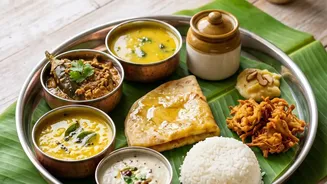
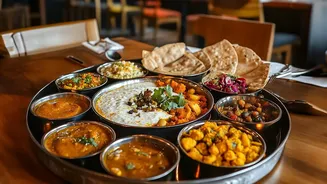
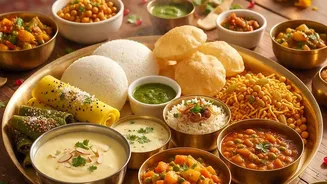
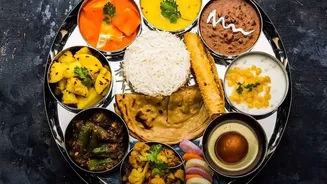
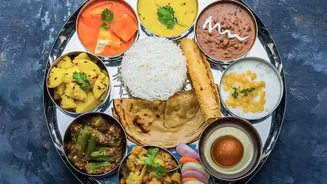
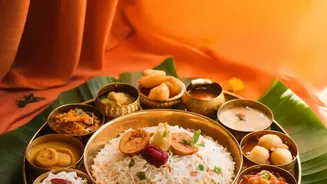
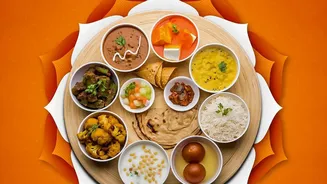
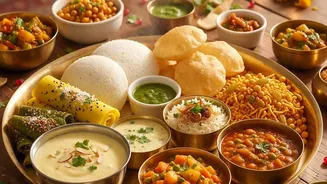
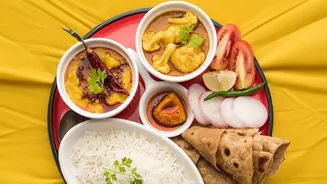
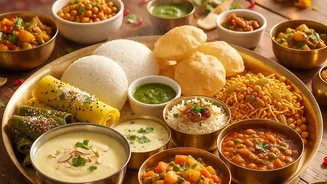
A trip to Rajasthan is incomplete without experiencing a traditional vegetarian thali, a complete meal that serves as a microcosm of the state's diverse flavours. Far more than just a platter of food, it is an expression of the revered principle of 'Atithi Devo Bhava' (The guest is God). Your plate will arrive laden with small bowls containing a symphony of tastes and textures. You will likely find a creamy 'kadhi', a yogurt-based curry, alongside 'gatte ki sabzi', which features steamed gram flour dumplings in a spicy gravy. Another staple is 'Panchmel Sabzi', a dish made from five different vegetables, and 'ker sangri', a tangy preparation of desert beans and berries. These are accompanied by breads like 'bajra roti' (pearl millet flatbread) and the iconic 'baati' – a hard, unleavened bread ball baked over coals and then crumbled and drenched in ghee. The entire experience is a carefully orchestrated balance of spicy, sweet, tangy, and savoury.
A Paradise for Snack Lovers
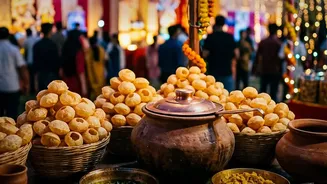
The culinary adventure continues on the streets, where every corner seems to have a vendor perfecting a single, iconic snack. Jaipur, Jodhpur, and Udaipur are legendary for their street food culture. One of the most famous is the 'Pyaaz Kachori', a flaky, deep-fried pastry filled with a spicy onion mixture that is both crunchy and soft. Equally popular is the 'Mirchi Vada', a large green chilli stuffed with a spiced potato filling, battered, and fried to golden perfection. For those with a sweet tooth, 'Mawa Kachori' offers a rich filling of sweetened milk solids and nuts. These snacks are not just quick bites; they are an integral part of daily life and social gatherings, often enjoyed with a cup of masala chai or a tangy chutney.
Exploring Regional Flavours
While dishes like Dal Baati Churma are famous statewide, Rajasthan's cuisine is not monolithic. A true culinary journey involves exploring its regional variations. The food of Marwar (the Jodhpur region) is known for being particularly spicy and robust. In contrast, the Mewar region (around Udaipur) has its own specialties, often perceived as slightly milder and sometimes incorporating more fresh produce due to its relative greenery and lakes. The Shekhawati region has a cuisine influenced by its agricultural community, with a significant use of bajra (pearl millet) in both savoury and sweet dishes. Even the sweets are distinct, from the delicate, disc-shaped 'Ghevar' popular during festivals to Alwar's famous milk cake. This diversity ensures that every new town offers a fresh discovery for the palate.