






What Exactly is Sattu?
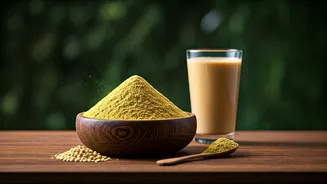
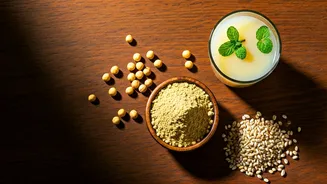
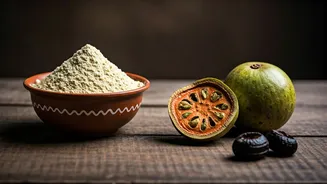
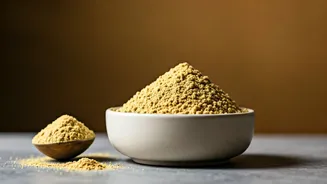
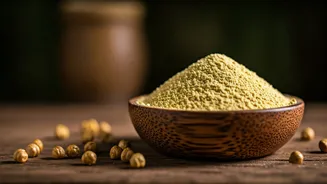
Before it became a buzzword in wellness circles, sattu was—and still is—a staple food for millions in states like Bihar, Uttar Pradesh, and Jharkhand. At its core, sattu is a flour made from roasted Bengal gram (kala chana) or a mix of roasted grams and cereals.
The process is simple and ancient: the grains are dry-roasted in sand, which puffs them up and imparts a unique, nutty flavour, before they are ground into a fine powder. This roasting process makes the nutrients more bioavailable and the flour easy to digest. Often called the 'poor man's protein,' it has long been the fuel for farmers and labourers, valued for its ability to provide sustained energy and hydration in a single, simple meal.
Decoding the 'Clean Protein' Label
The term 'clean protein' isn't a scientific one, but it has come to represent everything modern consumers are looking for: minimally processed, plant-based ingredients without artificial additives, sweeteners, or fillers. Sattu fits this description perfectly. It is a single-ingredient powerhouse. A 100-gram serving can pack around 20-25 grams of high-quality plant protein. But its benefits don't stop there. It's incredibly rich in insoluble fibre, which is crucial for gut health, aids digestion, and promotes a feeling of fullness, making it an excellent tool for weight management. Furthermore, sattu has a low glycemic index, meaning it releases sugar into the bloodstream slowly, providing stable energy levels and preventing the dreaded post-meal crash. It's also a natural source of vital minerals like iron, magnesium, and manganese.
Sattu vs. Modern Protein Powders
How does this traditional mix stack up against the gleaming tubs of whey and soy protein that line health store shelves? While whey protein often boasts a higher protein concentration per scoop, sattu offers a more holistic nutritional profile. Most commercial protein powders are highly processed isolates, stripped of the natural fibre and micronutrients found in the original source. Sattu, on the other hand, delivers protein in its natural matrix, complete with fibre, vitamins, and minerals. It's also naturally gluten-free and easily digestible for most people, unlike whey, which can cause bloating and digestive issues for those with lactose intolerance. Perhaps the most compelling arguments in its favour are its cooling effect on the body—making it ideal for India's climate—and its sheer affordability.
Bringing Sattu Into Your Kitchen
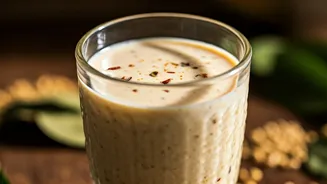
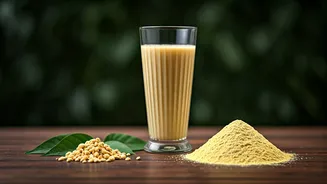
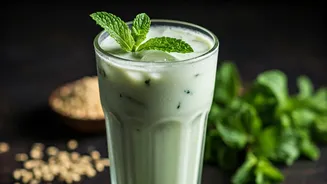
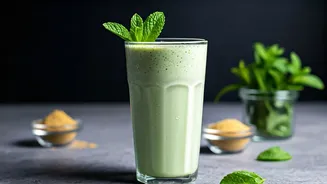
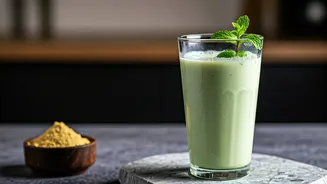
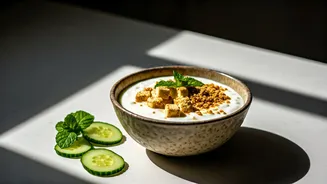
The versatility of sattu is one of its greatest strengths. The most common and refreshing way to consume it is as a drink. For a savoury 'sharbat', simply mix two tablespoons of sattu in a glass of cold water, add salt, roasted cumin powder, and a squeeze of lemon for a revitalising summer cooler. For a sweet version, mix it with water or milk and jaggery. But don't limit yourself to drinks. Sattu can be used to make protein-rich rotis or parathas (by kneading it into the dough), as a stuffing for littis, or even rolled into nutritious ladoos with ghee and jaggery for a quick energy bite. Some even add a spoonful to their morning smoothie or oatmeal to boost its protein and fibre content.
Why is Sattu Trending Now?
Sattu's resurgence is no accident. It sits at the intersection of several major global and national trends. The post-pandemic era has amplified the focus on natural immunity boosters and preventative health. Simultaneously, the global shift towards plant-based and sustainable diets has led consumers to look for local, eco-friendly protein sources. There is also a growing sense of cultural pride in rediscovering and celebrating India's rich culinary and nutritional heritage. Nutritionists and influencers are increasingly championing these indigenous 'superfoods,' moving the conversation away from expensive, imported fads and towards accessible, time-tested solutions found right in our own backyards.