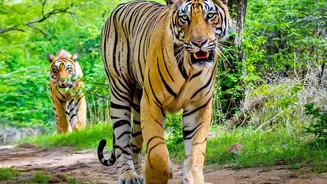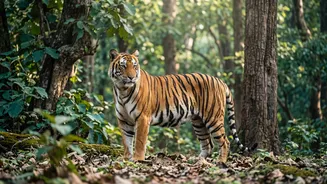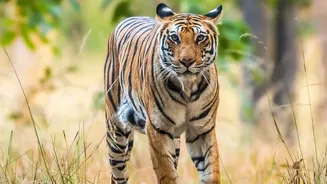



India's tiger population is rising, a huge conservation win. But with more tigers comes a new challenge: less space. Here’s how a two-pronged strategy of moving tigers and restoring their homes is writing a new chapter for the iconic big cat.
A Paradox of Success
India is
home to nearly 75% of the world's wild tigers, and thanks to decades of concerted efforts under initiatives like Project Tiger, their numbers have seen a remarkable recovery. The population has more than doubled since the early 2000s, a testament to robust protection measures. However, this success created a new, complex problem. Many of the country's 50-plus tiger reserves were becoming crowded, pushing tigers into territorial disputes and increasing the likelihood of human-wildlife conflict on the peripheries. At the same time, some reserves, like Sariska in Rajasthan and Panna in Madhya Pradesh, had lost all their tigers to poaching. This left them as 'empty forests'—areas with suitable habitat but no apex predator to maintain ecological balance.
The Blueprint for a Comeback
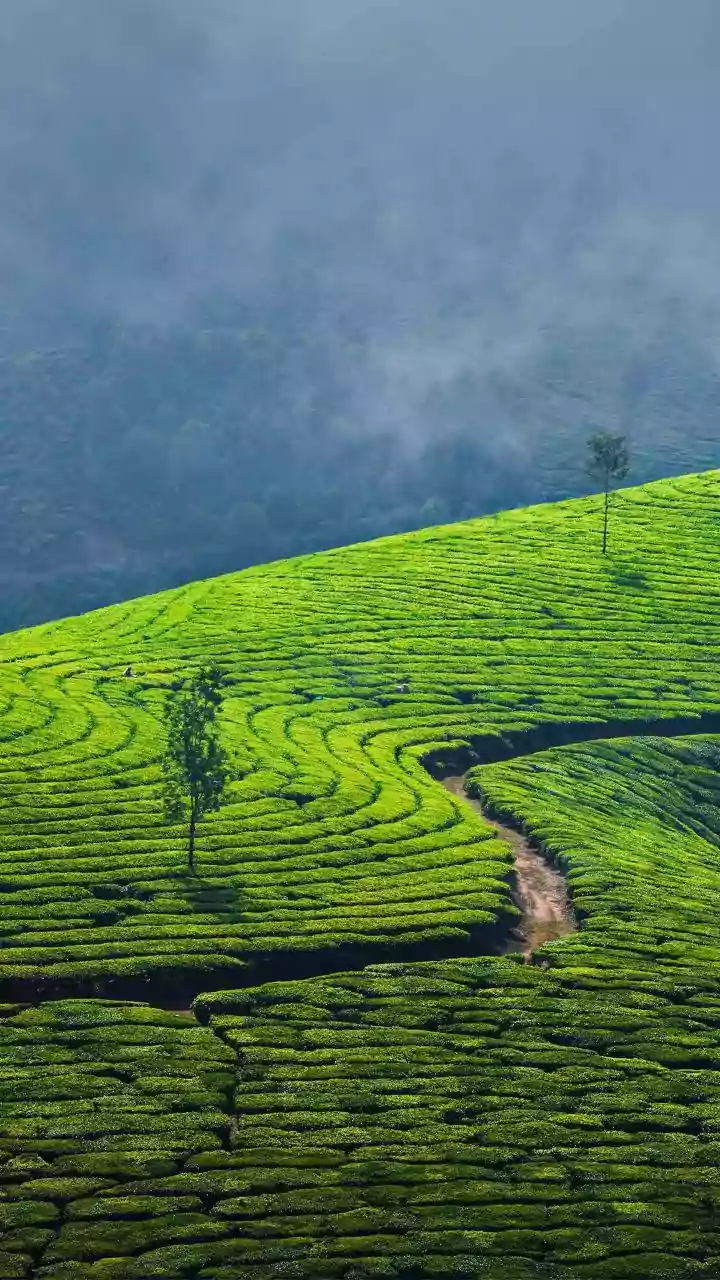
The solution wasn't just to move tigers from an overcrowded area to an empty one. Early on, conservationists understood that translocation is doomed to fail if the destination isn't ready. The strategy that emerged, spearheaded by the National Tiger Conservation Authority (NTCA) and the Wildlife Institute of India (WII), was twofold: first, restore the habitat, then reintroduce the tiger. Habitat restoration is the silent, painstaking work that precedes the dramatic helicopter airlifts. It involves ensuring the new home has what a tiger needs most: an abundant prey base of animals like sambar, chital (spotted deer), and wild boar, as well as ample water sources and sufficient forest cover for stalking. It also means creating an 'inviolate space' by funding the voluntary and compensated relocation of villages from the core areas of the reserves, a crucial step to minimise future conflict.
Panna and Sariska: From Zero to Hero
The success of this approach is best seen in the stories of Panna and Sariska. Sariska lost its last tiger in 2005, a national embarrassment that spurred action. In 2008, after intensive habitat work and enhanced protection, the first tigers were airlifted from Ranthambore. It was the world's first successful tiger reintroduction. The first cubs were born in 2012, and by 2023, the population had grown to a healthy 30 tigers. Similarly, Panna was declared tiger-less in 2009. A carefully planned reintroduction began that same year, bringing in tigers from other reserves in Madhya Pradesh. The project was a stunning success. With a high survival rate and a remarkable annual growth rate, Panna now boasts a thriving population that has surpassed its carrying capacity, with some of its tigers now being relocated to help populate other reserves.
The Science of a Big Move
Relocating a tiger is a high-stakes, scientific operation. Tigers are selected based on their age, health, and genetics to ensure a diverse new population. The process involves tranquillising the animal, fitting it with a radio or GPS collar for round-the-clock monitoring, and transporting it—often by helicopter—to its new home. Upon arrival, some tigers are kept in a large, fenced enclosure for a 'soft release'. This allows them to acclimatise to the new environment before being fully released into the wild, reducing the chances they will try to return to their original territory. Continuous monitoring after release by dedicated teams is essential to track their movements, ensure their safety, and study their adaptation to the new habitat.
Challenges and the Road Ahead
Despite the successes, relocation is not a silver bullet. Some projects have failed, like in Odisha's Satkosia, where an inadequate prey base and a lack of community support led to the project's suspension. This highlights the absolute necessity of getting the habitat and social conditions right. The long-term vision extends beyond individual reserves. As tiger populations grow, the focus is shifting to restoring and protecting wildlife corridors—natural passages of forest that connect different reserves. These corridors allow tigers to disperse naturally, preventing genetic isolation and ensuring the long-term health of the entire population. About 30% of India's tigers live outside protected reserves, making landscape-scale management crucial for both wildlife and human safety.