





What is Shared Crop Data?
Imagine millions of farmers across India, each with unique knowledge about their land. Now, what if that knowledge could be collected, anonymised, and shared? That's the core idea behind shared crop data. Initiatives like the government's AgriStack are creating
a digital backbone for Indian agriculture. This involves creating unique digital IDs for farmers and mapping every plot of farmland. Through ongoing digital crop surveys, the system gathers vast amounts of information on what is being planted, where it's growing, soil health, and weather patterns. This data, once fragmented and inaccessible, is being unified into a single, powerful resource.
From Fields to a Unified Framework
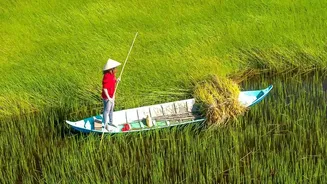
The phrase “cross-country rice survey” doesn't refer to one single event, but a broader, ongoing movement. It includes everything from pilot studies by research bodies like the International Rice Research Institute (IRRI) in states like Maharashtra and Odisha, to the government's ambitious plan to cover all 30 crore farm plots by the Kharif season of 2026. This digital infrastructure, often called the Digital Public Infrastructure for agriculture, aims to move farming from a high-risk gamble to a data-driven science. By integrating farmer data, land records, and crop details, the goal is to provide real-time insights that can transform decision-making for everyone from the smallest farmer to national policymakers.
The Power of Pooled Knowledge
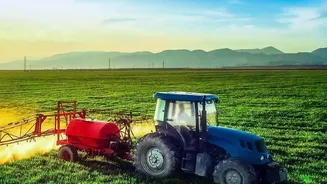
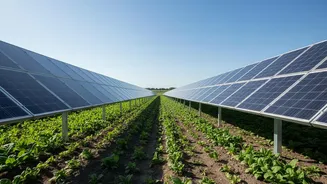
The benefits of sharing agricultural data are immense. For farmers, it promises access to highly specific, real-time advice. Instead of generic recommendations, a farmer could receive guidance on fertilizer and water use tailored to their specific field, thanks to a combination of satellite imagery, sensor data, and aggregated soil information. This 'precision agriculture' can lead to higher yields, lower costs, and more sustainable practices. For the bigger picture, this data helps in accurately forecasting yields, managing food security, streamlining subsidies, and giving farmers better access to credit and insurance by creating a reliable, digital record of their work.
Smarter Farming, Better Yields
Recent pilot programs have demonstrated this potential. A study focused on nitrogen management in rice showed that moving away from blanket fertilizer application to more intelligent, targeted use could significantly boost productivity and farm income while protecting the environment. The study combined data from the ground (field trials, sensors) and the sky (drones, satellites) to create a model for better decision-making. Similarly, new rice varieties developed for direct-seeded systems—which use less water and labor—are being identified and released based on data from national trials, promising more resilient and profitable harvests.
Challenges on the Digital Frontier
Despite the promise, the path to a fully data-driven agricultural sector has hurdles. A primary concern is data privacy and security. Without a strong legal framework, there are risks that sensitive farmer information could be misused. Another significant challenge is the digital divide. Many smallholder farmers, who make up the vast majority of India's farming population, may lack access to smartphones or the digital literacy needed to benefit from these platforms. Ensuring that these initiatives are inclusive and don't exclude tenant farmers or agricultural labourers who lack formal land records is also a critical challenge that needs to be addressed.