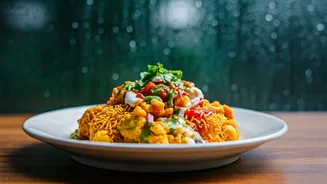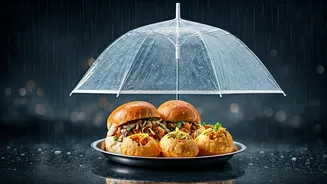




Why Monsoon Magnifies the Risk
The monsoon's high humidity and moisture create the perfect breeding ground for bacteria, viruses, and fungi. [5] Rainwater can contaminate municipal water supplies and flood streets, mixing with sewage and other pollutants. [14] This contaminated water is often
used by street vendors for cooking, washing utensils, or making chutneys and pani for puri. [5] Foods left exposed to this damp environment spoil faster, and the open-air nature of most chaat stalls makes them vulnerable to dust, flies, and dirty rainwater. [5] This combination of factors significantly increases the chances of contracting food and water-borne illnesses like gastroenteritis, typhoid, cholera, and hepatitis A. [10, 11, 12, 13]
Your 5-Point Hygiene Checklist
You don’t have to give up chaat entirely. Instead, become a discerning customer by applying a mental hygiene filter. Before you order, quickly assess the stall on these five points:
1. **Water Source and Ice:** This is the most critical check. Ask or observe where the vendor gets their water. Reputable vendors will use packaged drinking water or have a reliable filter system. Absolutely avoid any stall using unverified tap water or locally made ice, which is a primary source of contamination. [3, 5]
2. **Vendor’s Personal Hygiene:** A vendor who cares about safety will demonstrate it. Look for clean hands, trimmed nails, and the use of gloves or tongs to handle food, especially after touching money. [8] A separate person handling cash is an excellent sign. [8]
3. **Cleanliness of the Stall:** A tidy, organised stall indicates good practices. [9] Are raw and cooked ingredients kept separate to avoid cross-contamination? [9] Are surfaces wiped clean? Is the area around the stall free from garbage and pests? [21] Trust your instinct; if it looks dirty, walk away. [4]
4. **Freshness of Ingredients:** Look at the ingredients themselves. Are the vegetables fresh and crisp, or are they wilting? Are chutneys and dahi covered and preferably chilled? [9] Food that has been sitting out in the open for hours is a red flag. [4, 17]
5. **Protection from Elements:** A good vendor will have their food supplies covered, protecting them from flies, dust, and splashes of rain. [5] Pre-cut fruits and uncovered sauces are particularly risky. [5, 18]
Making Smarter Chaat Choices
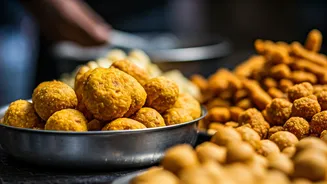
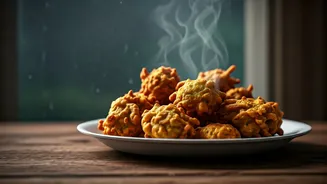
Not all chaat is created equal in terms of risk. Some options are inherently safer during the monsoon. Prioritise foods that are freshly cooked at high temperatures and served hot. The heat kills most harmful bacteria. [2, 4] This makes options like hot ragda pattice, freshly fried aloo tikkis, and roasted corn (bhutta) better choices than items with raw or water-based components. [2] Be most cautious with pani puri, where the water is the biggest risk, and dahi puri, where the yogurt can spoil quickly in the humidity. [17] If you must have them, ensure the vendor meets all the hygiene checks mentioned above, or better yet, try making them at home where you control the ingredients and hygiene. [20]
When In Doubt, Make It At Home
The ultimate way to enjoy monsoon chaat without worry is by recreating the magic in your own kitchen. This way, you have complete control over the quality of water and the freshness of ingredients like mint, coriander, potatoes, and spices. You can ensure everything is washed thoroughly with clean, potable water. Making chutneys and pani at home is simple and eliminates the biggest source of street-side contamination. [17] While it may not have the exact same roadside flair, the peace of mind that comes with it is priceless. Plus, it can be a fun activity to do with family, customising the spice levels to everyone’s liking.