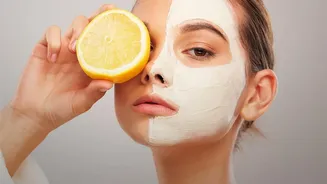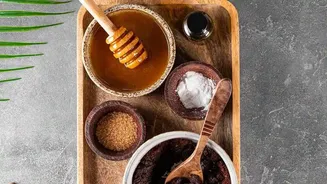


The humble masoor dal, a staple in every Indian kitchen, has long been a trusted secret for radiant skin. This simple red lentil is packed with nutrients, making it a popular choice for DIY face masks for exfoliation and brightening.
The Power in the Pantry
For generations, long
before serums and chemical peels became mainstream, masoor dal has been a go-to for at-home skincare. Rich in proteins, vitamins, and minerals like iron and zinc, red lentils are believed to offer a multitude of benefits. When ground into a powder or paste, masoor dal acts as a natural cleanser and a gentle physical exfoliator. This action helps to slough away dead skin cells, dirt, and impurities from the surface, potentially revealing fresher, smoother-looking skin underneath. Its purported benefits include improving skin texture, controlling excess oil, and promoting a natural glow.
For Oily and Acne-Prone Skin
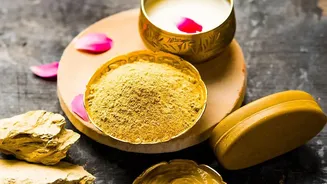
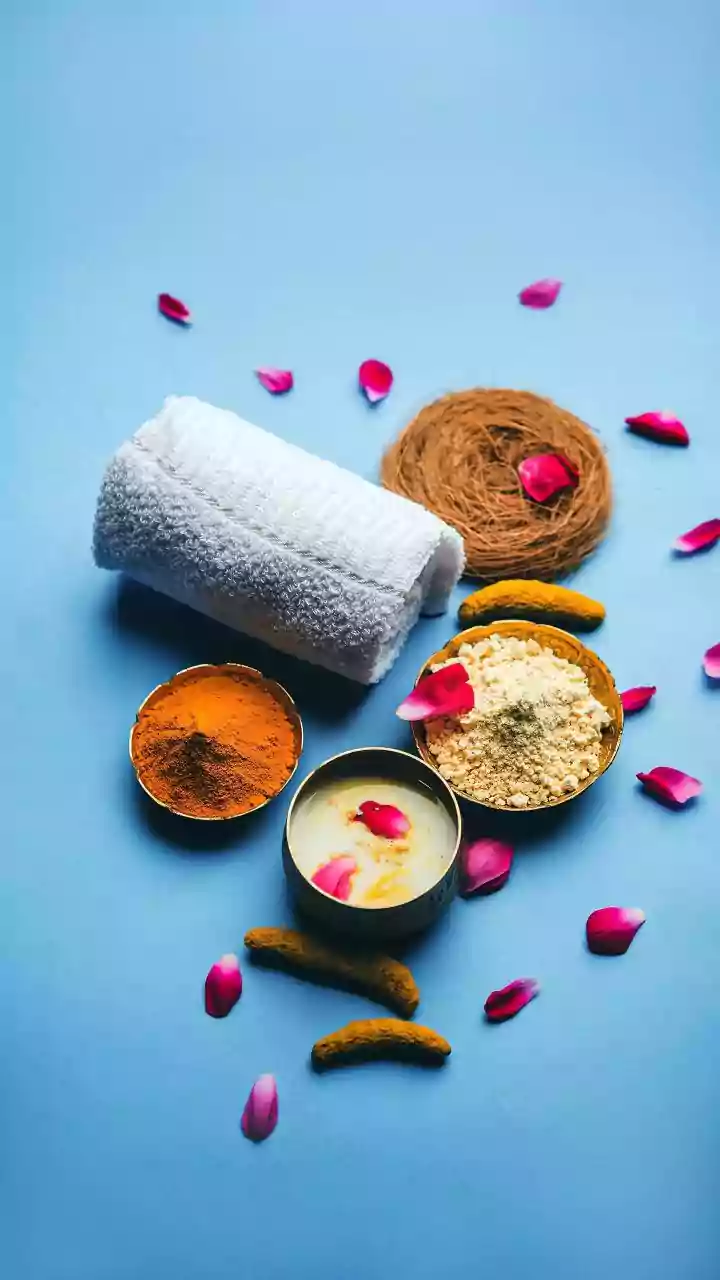
If you struggle with excess sebum and clogged pores, a masoor dal mask can be particularly effective. Its absorbent properties help soak up extra oil without stripping the skin of all moisture. For a targeted treatment, combine two tablespoons of fine masoor dal powder with rose water to form a paste. You can also add a tablespoon of multani mitti (Fuller's earth) or sandalwood powder, both known for their oil-controlling and cleansing abilities. These combinations can help keep skin looking matte and may reduce the occurrence of breakouts by keeping pores clean.
For Dry and Dehydrated Skin
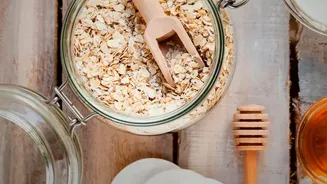
For those with dry skin, the key is to pair masoor dal with hydrating ingredients. A common and effective combination is masoor dal paste mixed with raw milk. Soaking the lentils in milk overnight before grinding can create a nourishing and moisturising mask. Another excellent addition for dry skin is honey, which is a natural humectant that helps lock in moisture. A paste made from soaked masoor dal, milk, and a teaspoon of honey can help exfoliate gently while leaving the skin feeling soft and supple, not tight or stripped.
For Dullness and Uneven Tone
To address dullness and achieve a brighter-looking complexion, certain ingredients can boost the effects of your masoor dal mask. A pinch of turmeric is a classic addition, known for its ability to impart a 'golden glow'. Mixing masoor dal paste with yogurt and a little turmeric can create a pack aimed at improving radiance. Yoghurt contains lactic acid, which offers mild exfoliation. While some sources suggest masoor dal can help with tanning, it's important to note its effects are primarily from surface exfoliation, not from changing skin pigmentation itself.
Critical Safety: The Patch Test Is Non-Negotiable
Natural does not automatically mean safe for all skin types. Before applying any new homemade mask to your entire face, performing a patch test is crucial. Apply a small amount of the prepared paste to a discreet area of skin, like behind your ear or on your inner arm. Wait 24 hours to see if any redness, itching, or irritation develops. This simple step can save you from a widespread allergic reaction or irritation. People with very sensitive skin, active eczema, rosacea, or known allergies to legumes should be especially cautious and may want to consult a dermatologist first.
Ingredients and Practices to Avoid
Some popular DIY ingredients can do more harm than good. Raw lemon juice is one to skip; its high acidity can disrupt your skin's natural barrier, cause irritation, and lead to phytophotodermatitis—a reaction that can cause burns or blisters when the skin is exposed to the sun. Also, avoid grinding the dal too coarsely. Gritty particles can cause microstears in the skin, leading to inflammation and damage. Finally, don't let the mask dry completely until it cracks; this can strip moisture from your skin. And never scrub harshly when removing it. Instead, wet the mask and gently massage for about 30 seconds before rinsing.